The Pacific holds a web of archipelagos held together by water and by the people who have always navigated it. For Native Hawaiians, the islands are sacred kin. They are born of earth and sky, elders to the people who came after, in a genealogy that begins with the coral and includes the mountain, the taro, and the sea. Water runs through that kinship. Fresh water, wai, is sacred, and its doubled form, waiwai, means abundance and prosperity. People deeply respect the land and the water, and the land and water, in return, care for them. The ocean is where islands rise from fire and where, in time, they return. It is also a road, taken by the ancestors who crossed it to get here.
The world map most of us learned places Europe and the Atlantic in the middle and sends the Pacific to its edges, where the largest water on Earth, larger than all the world’s land combined. This vastness claimed room for hundreds of nuclear tests. In the Marshall Islands alone, the United States detonated 67 bombs between 1946 and 1958, including a 15-megaton hydrogen bomb on Bikini with about a thousand times the force of Hiroshima. Today, another form of violence is threatening life across the Pacific. Driven by a global system that has warmed the planet while leaving its greatest costs to those least responsible, rising sea levels are endangering the very existence of island communities. In Tuvalu, where the land averages just two meters above sea level, projections indicate that daily high tides could regularly flood nearly half of Funafuti, the main atoll, by 2050. More than a third of Tuvalu's population has applied for Australia's climate visa. Those who did the least to warm the planet are being asked to leave their ancestors' islands.
Today’s dispatch begins at Mauna Kea, built from the ocean floor and held as an elder, and follows water outward to women artists who carry the sound of water, drought, and rising seas into the climate talks in Antalya, and to a forum on the Bosphorus where culture argued for a seat at the table.
Non-Human Elders
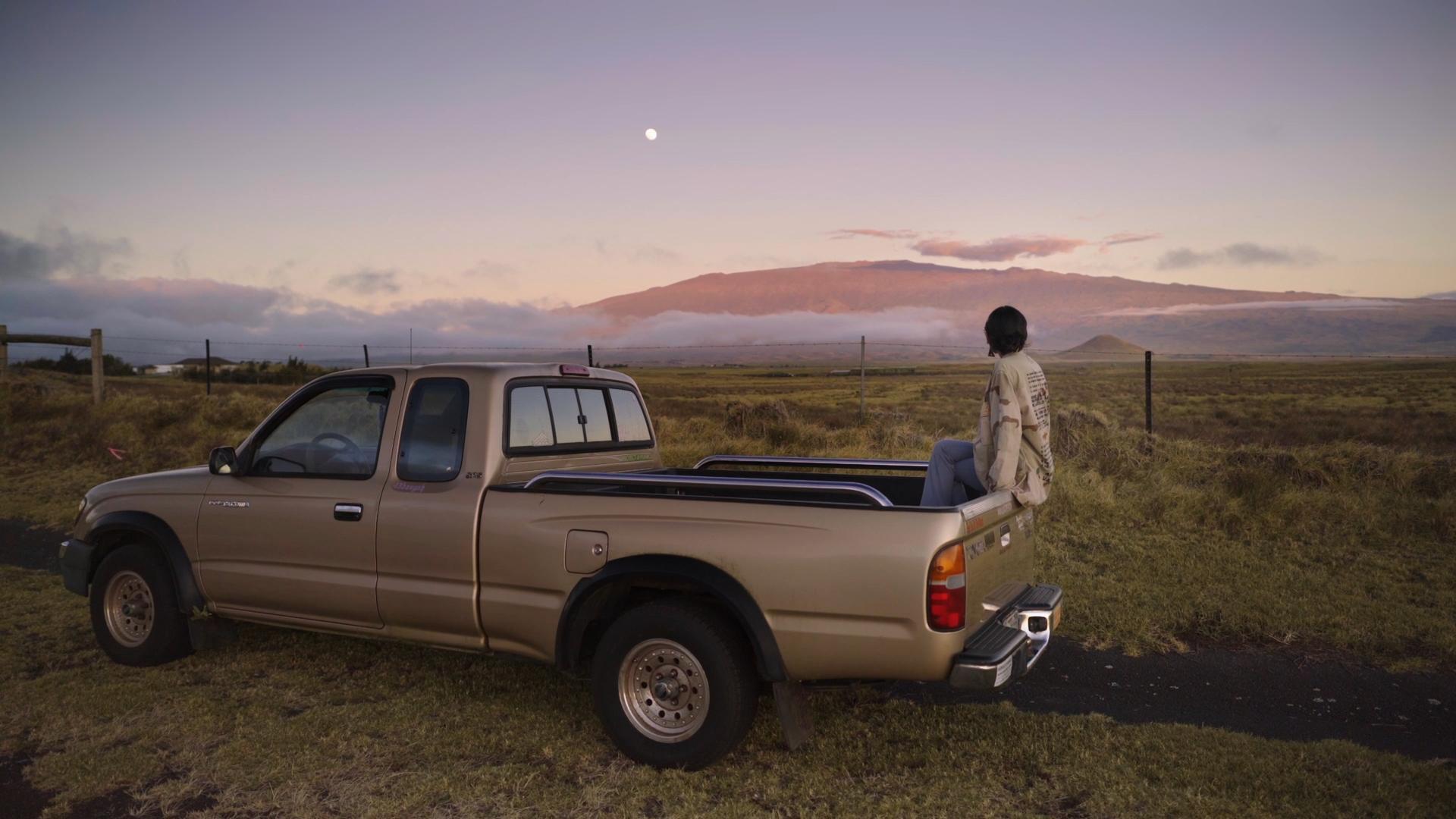
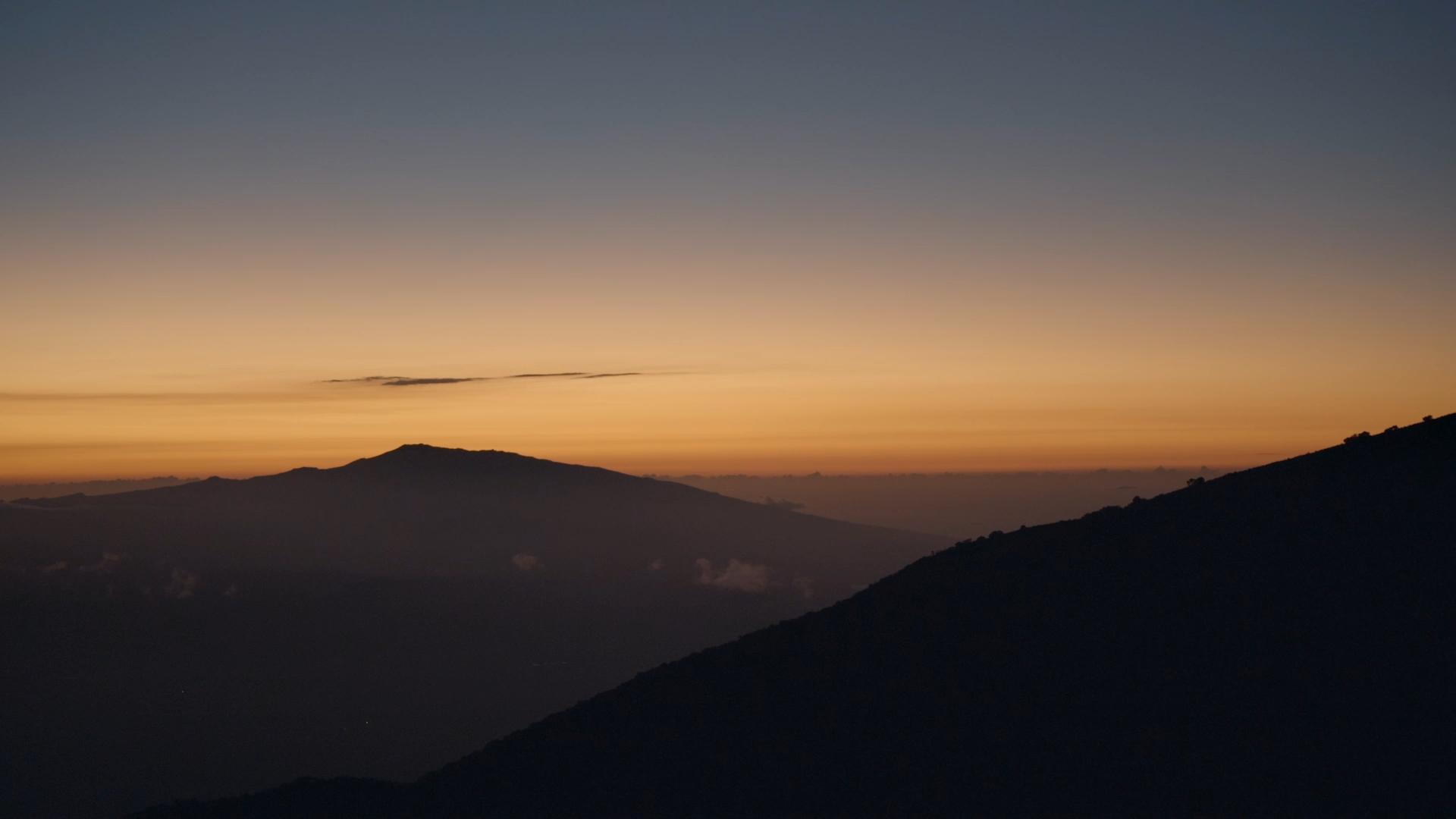
Native Hawaiians revere Mauna Kea not as a landmark but as an elder and sacred ancestor, and its waters carry names: Līlīnoe of the fine mist, Poliʻahu in her mantle of snow, Waiau of the lake near the summit. When plans are announced for an 18-story Thirty Meter Telescope near the summit, joining 13 existing observatories, kiaʻi (protectors) in Hawaiʻi and across the globe mobilize to defend it.
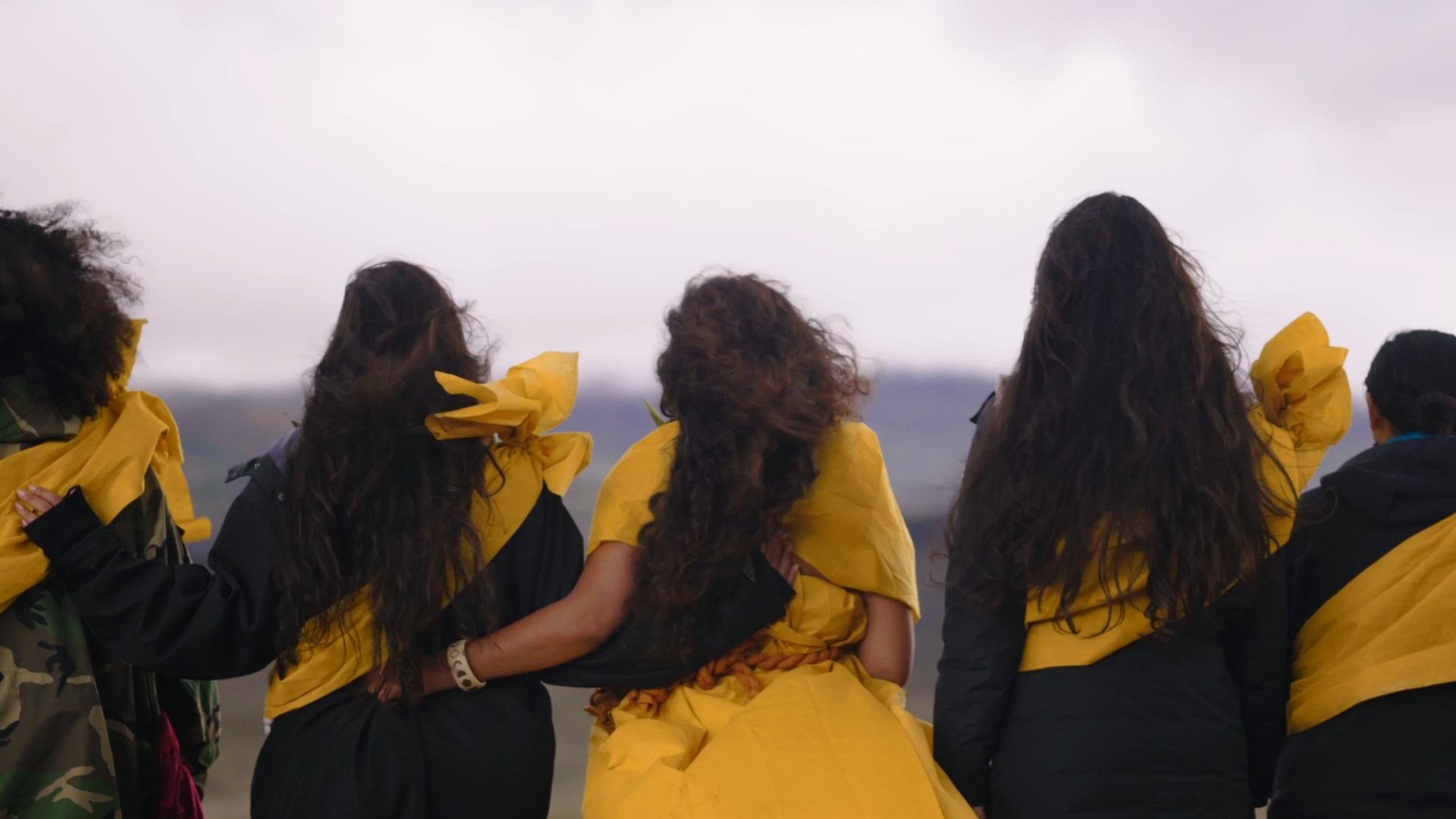
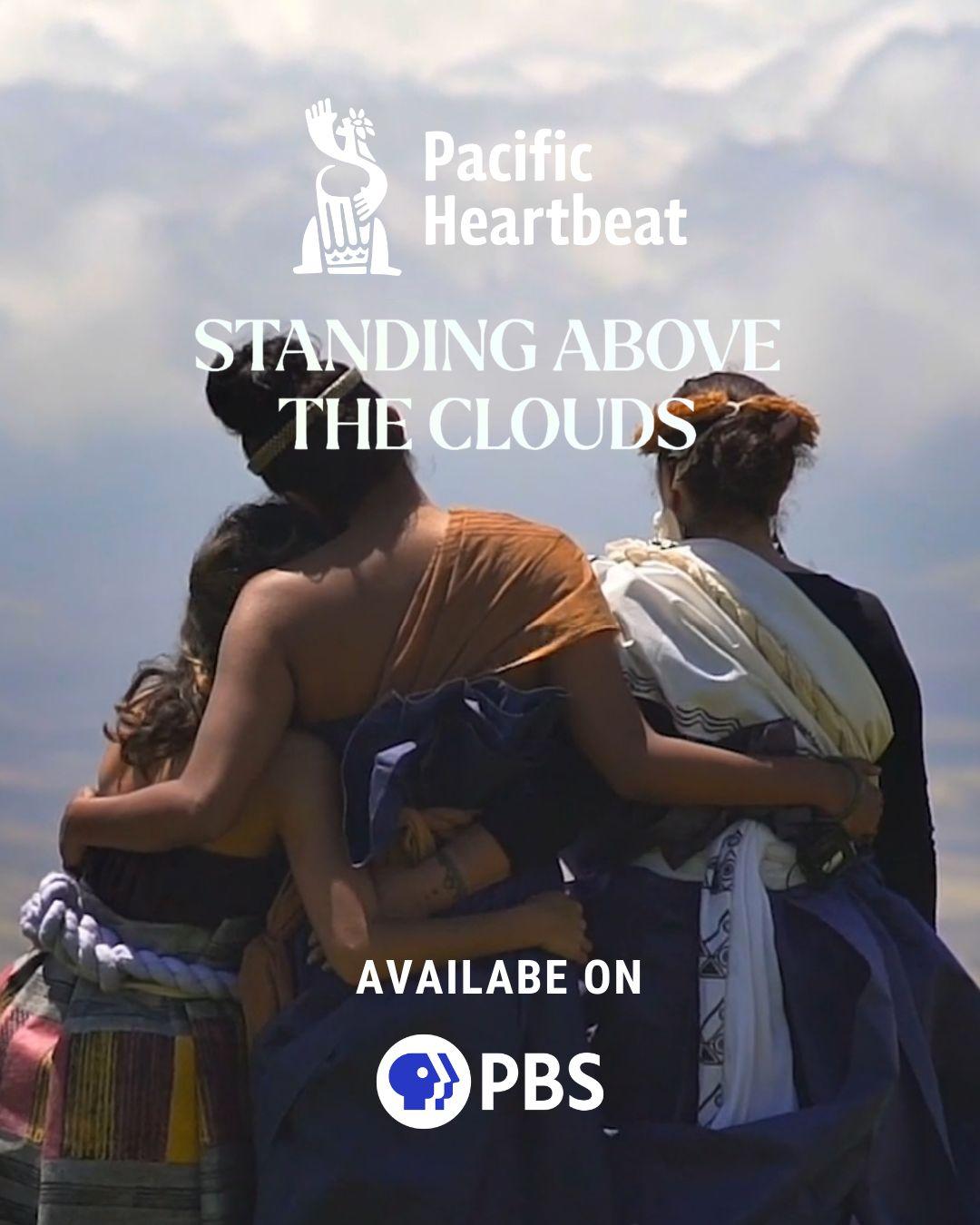
Standing Above the Clouds, directed by Jalena Keane-Lee and produced by Amber Espinosa-Jones and Erin Lau, follows that stand through the interlocking stories of mothers and daughters from three Native Hawaiian families: Pua Case and her daughters Hāwane Rios and Kapulei Flores, alongside Leinaʻala Sleightholm and Mehana Kihoi. It moves past the headlines of blockades and arrests to the personal toll of resistance. Grounded in Kapu Aloha, a disciplined commitment to nonviolence, prayer, and ancestral protocol, the film holds song, ceremony, and raw vulnerability. It shows how defending sacred land becomes a catalyst for intergenerational healing, balancing cultural duty with care for one’s own heart and family. Standing Above the Clouds is available to watch through PBS and Kanopy, with options for community and institutional screenings through Kinema. The film continues to circulate through Hawaiʻi and beyond, carrying the stories of the women who defend Mauna Kea and the intergenerational bonds that sustain their struggle. Learn more →
Calls to Flow for climate justice
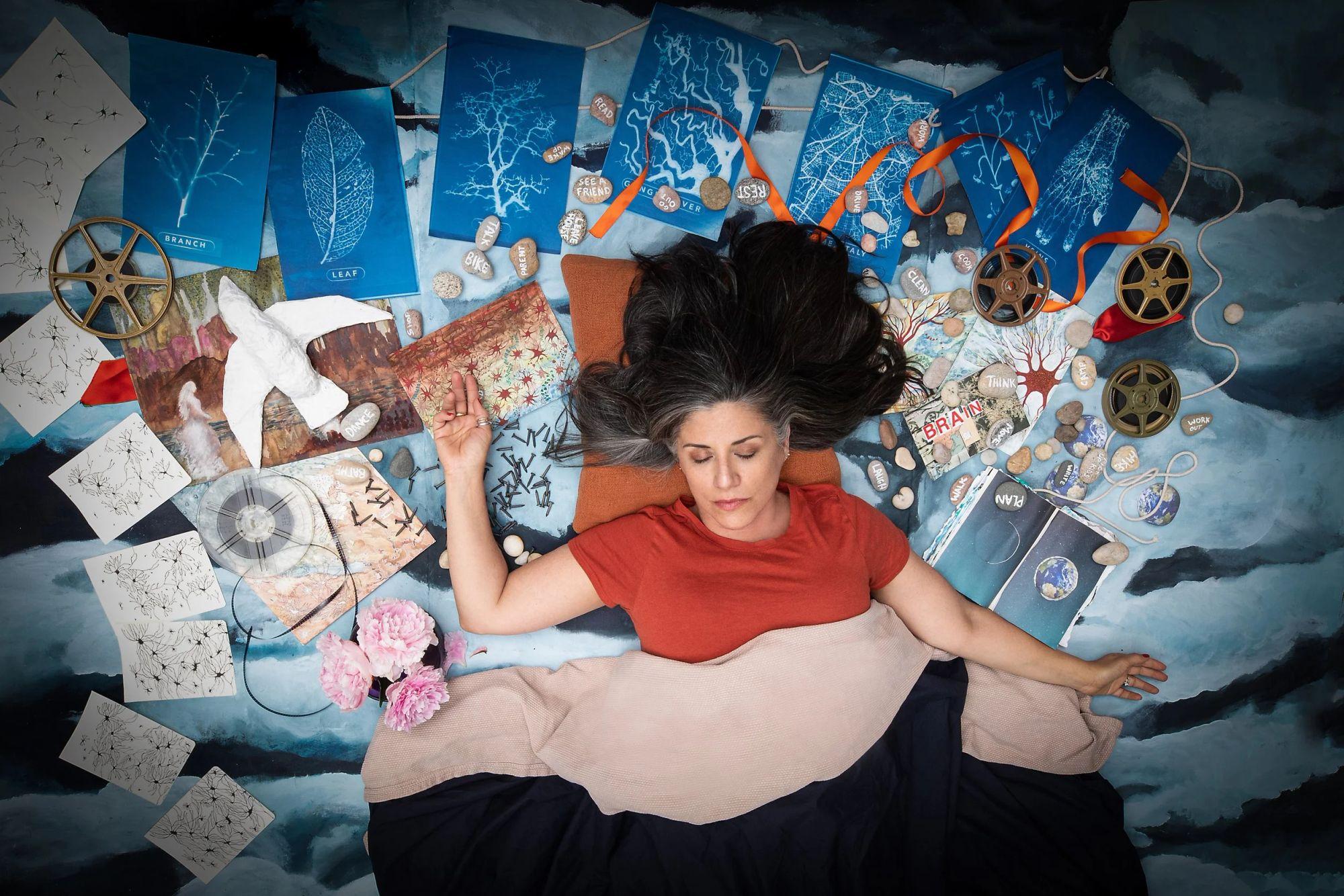
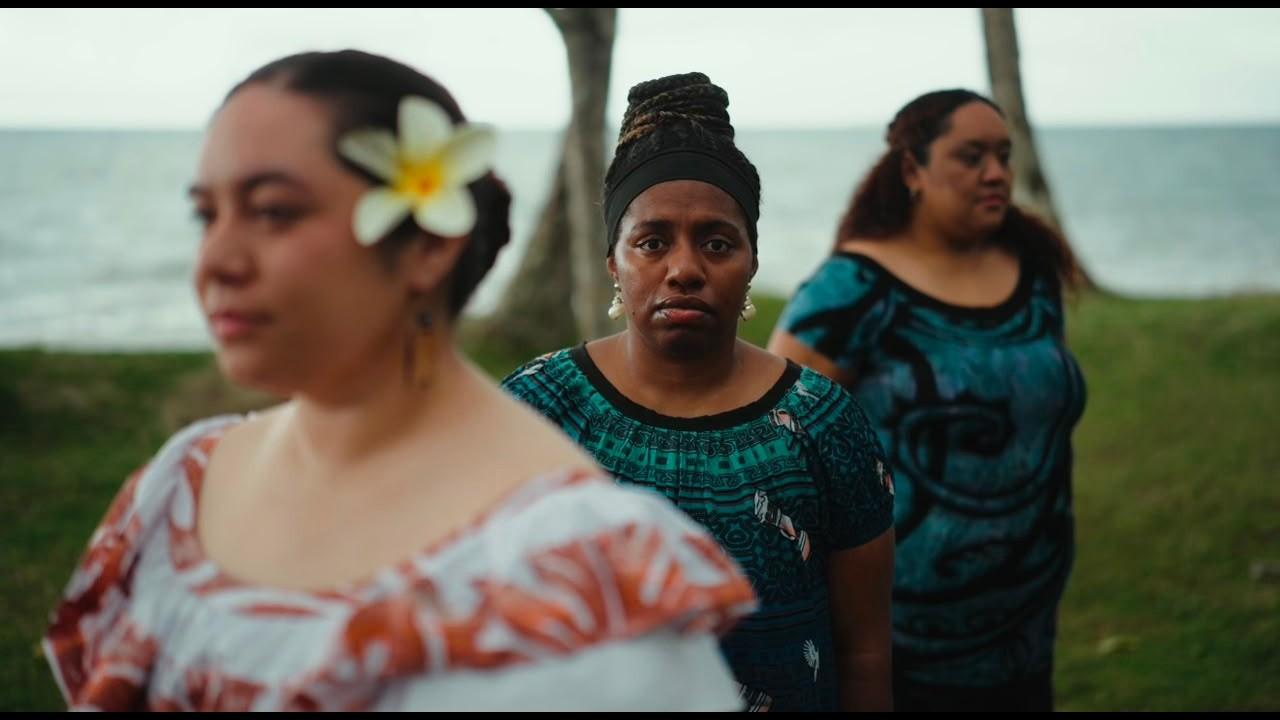
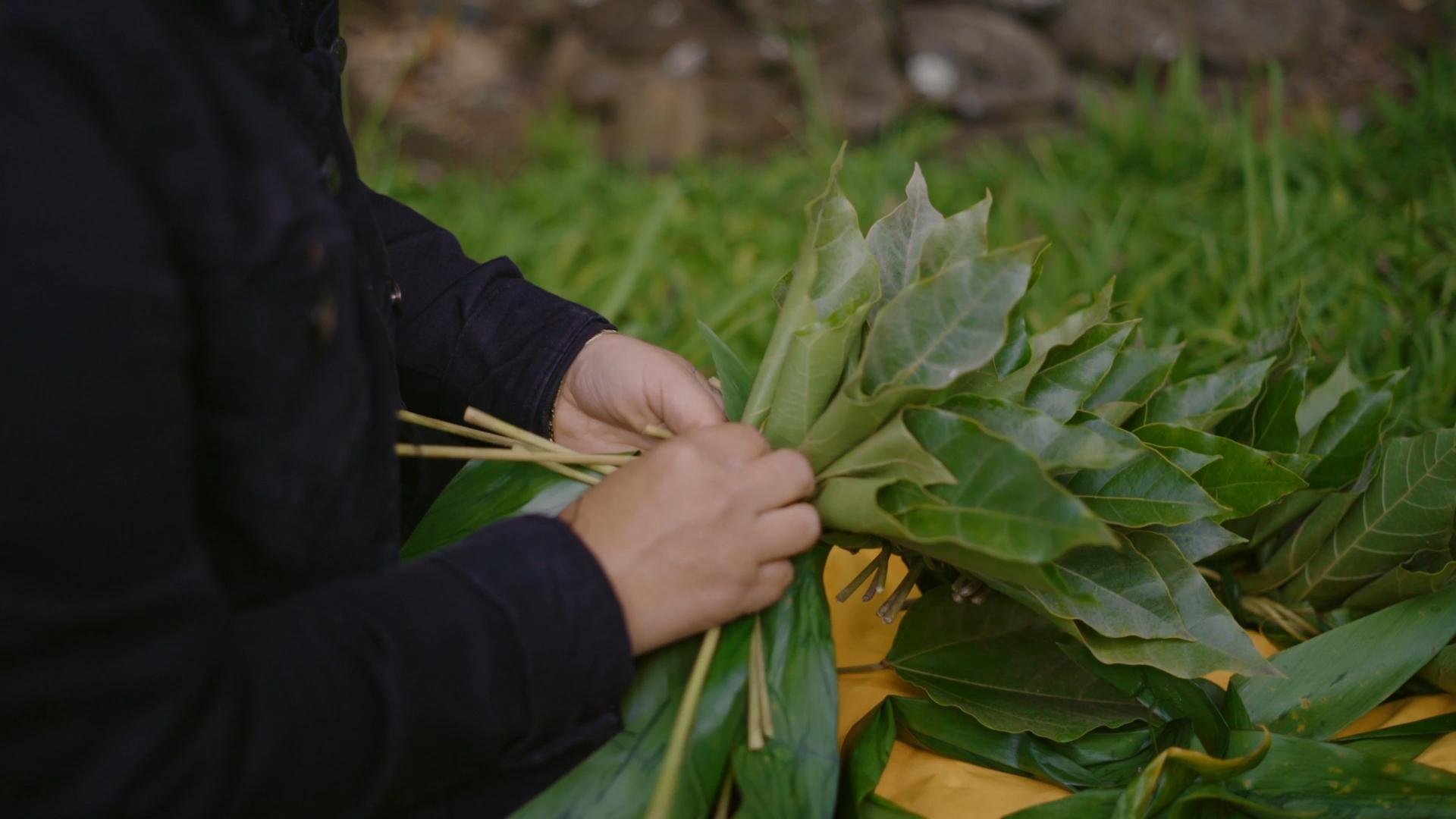
At COP31 in Antalya, a global collective of women artists brings the human heartbeat of the water crisis into the halls of climate diplomacy. Flow, spearheaded by the UK-based EarthSonic, a project of In Place of War, with support from the Wellcome Trust, turns lived experiences of drought, rising seas, and environmental health into music, storytelling, and live performance. It carries the stories of frontline women from six countries, among them Tuvalu in the Pacific, and weaves in recordings of water itself from the EarthSonic Water Sounds Archive, so that water is heard and not only described.
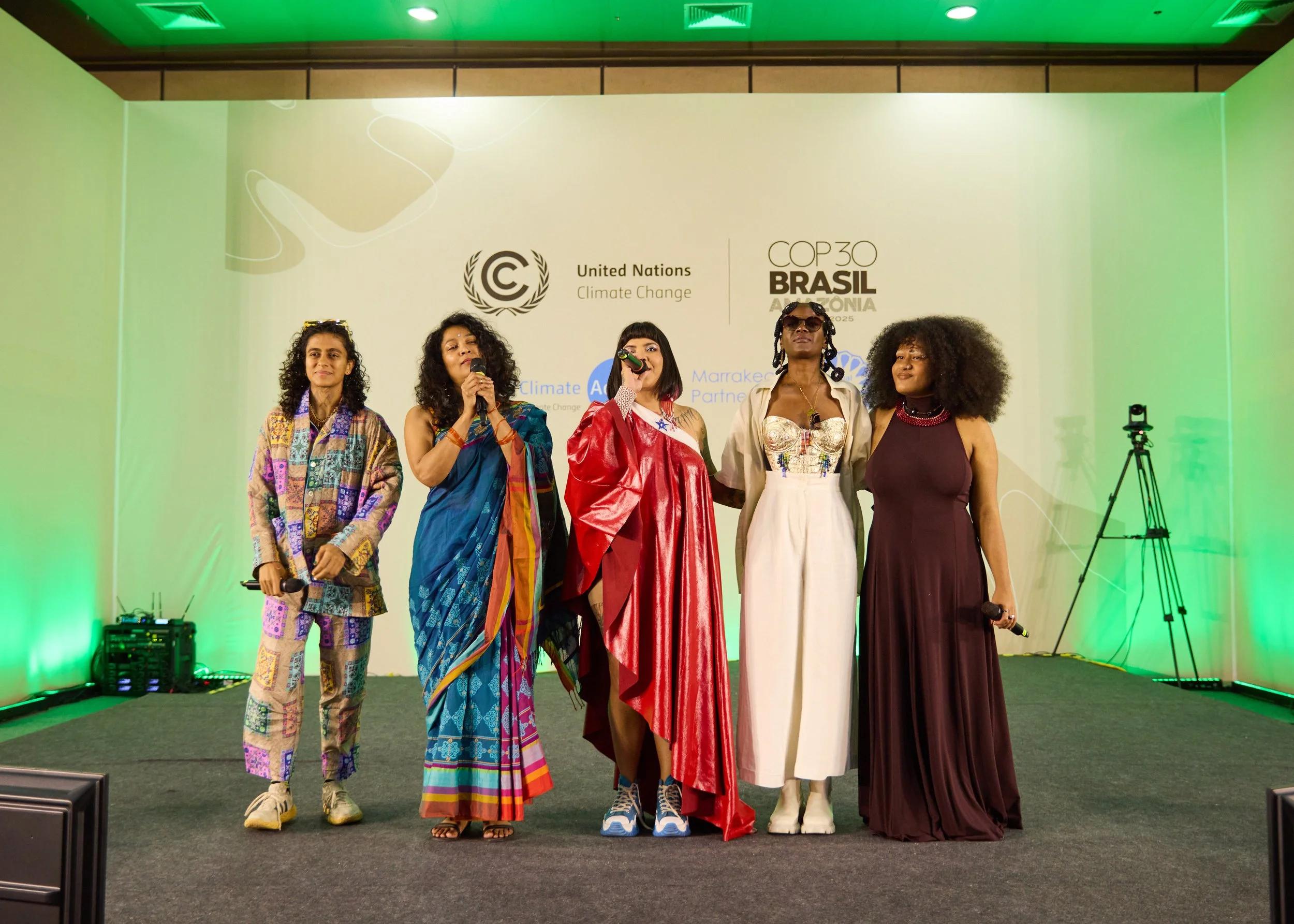
After its debut at COP30 in Belém, Flow returns with Amazonian, Indigenous, migrant, and trans women and women of color at the center, with artists including Sohini Alam, Shingai, and Charlotte Church. The program spans performances in the Blue Zone and Health Pavilion, whose sessions are livestreamed, along with documentary previews and policy panels. It coincides with the release of the collaborative album on November 9. When water is threatened, community health and cultural survival hang in the balance. Learn more →
Archipelago of Alliances
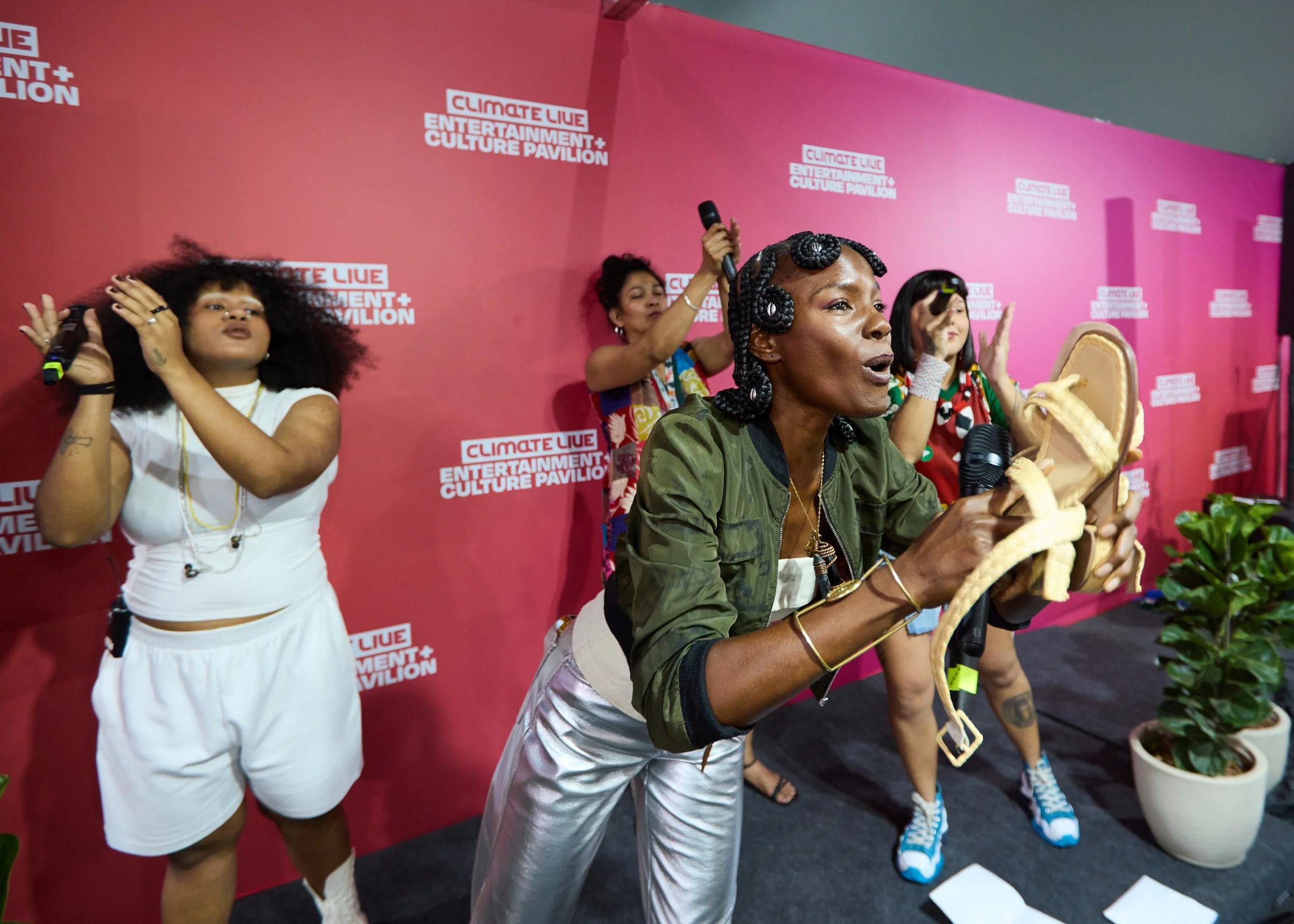
On November 3, days before the negotiations opened, artists, cultural practitioners, youth leaders, and policymakers gathered on the shores of the Bosphorus at Bahçeşehir University in Beşiktaş for the 3rd Culture x Climate Forum. The US-based Entertainment + Culture Pavilion spearheaded it with EkoFilm, Esmiyor, the Culture Translators Project, and CIFAL Istanbul, with support from the British Council. It followed earlier editions in Baku (COP29) and Bonn (SB62).
Guided by youth co-hosts Batuhan Aysan and Nisa Arslan, the full-day gathering treated heritage, storytelling, and the creative industries as engines of systemic change. Plenary dialogues, film screenings, and five workshops, from fossil-free futures to sustainable production, turned the findings of the Culture Global Stocktake into collective action ahead of its Draft 3 showcase at COP31. The alliances it forged are meant to outlast the summit. This entry reached us late, and it belongs here anyway. Learn more →
On a map with the Pacific in the middle, the Bosphorus and the Amazon, the snow of Mauna Kea and the sea around Tuvalu are not far apart. The same water moves between them, and in each place someone insists that it is alive.
You can join in too
Global Artivism Month continues until 10 December. You can join the movement by putting yourself on the map, sharing your art or listing a November event.