Borders have shaped the lives of communities across Abya Yala for centuries. Drawn through ancestral territories, imposed across homelands and reinforced through military occupation, policing and immigration regimes, these divisions continue to determine who can move freely, who is allowed to belong and whose rights are recognised. The border is never simply a line on a map. It is a system that regulates movement, separates families, fragments Indigenous territories and perpetuates the structures of colonial dispossession. Since the colonisation of the continent, Indigenous peoples and First Nations have confronted genocide, racial segregation, land theft and the systematic denial of their sovereignty. These histories remain present in the political and social realities of the hemisphere.
Across Guatemala, Mexico and the United States, the practices gathered in this dispatch speak to communities who continue to defend their lands, cultures, languages and ways of life. The Zapatista principle “Nunca más un México sin nosotrxs” — Never again a Mexico without us — carries this insistence into a wider horizon: “Nunca más un mundo sin nosotrxs, para que quepan muchos mundos.” Never again a world without us, so that many worlds may fit. In December, a delegation of at least 1,530 Zapatistas will be based in Mexico City, with the principal purpose of meeting and listening to madres buscadoras and families searching for their disappeared loved ones. Their journey places an urgent wound at the centre of collective responsibility: the thousands of disappearances that continue to fracture families and the social fabric of Mexico. The Zapatistas have described this encounter as an abrazo, an embrace, grounded in listening, accompaniment and the recognition of each own struggle, through listening, then intertwined. Learn more →
Cultural sovereignty and the right to imagine
In Santiago Atitlán, on the shores of Lake Atitlán, Ceiba Futures is nurturing cultural relationships and imagining Indigenous futures through the living knowledge of Maya cosmology. Seeded by mariana Aq'ab'al moscoso (ja'/elle/they), this ceremonial consulting studio brings together zine-making, altar-building, fire ceremony and cultural strategy. Its work weaves constellations among artists and culture bearers, creating spaces for exchange, collective imagination and the renewal of cultural practices.
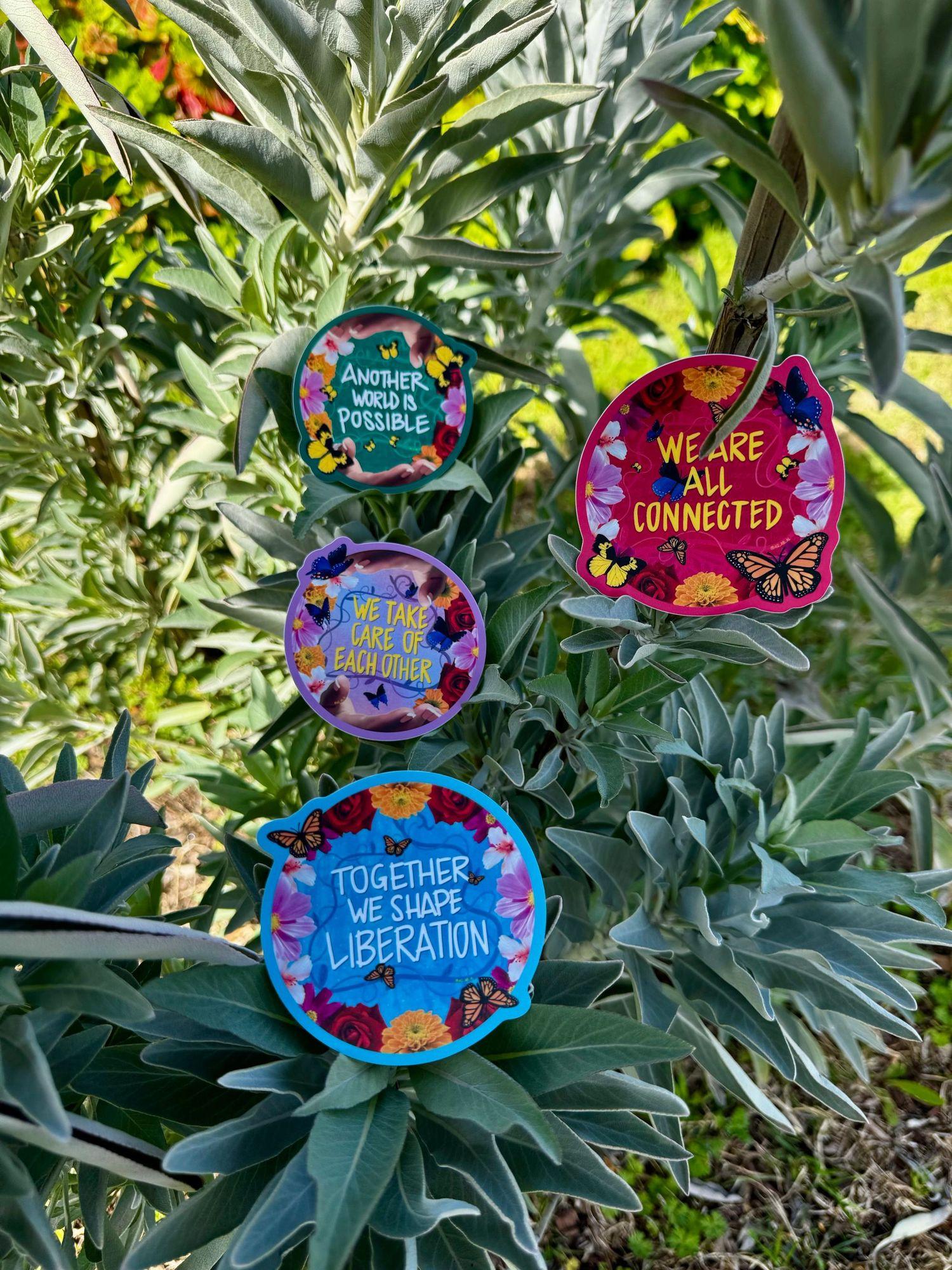
At the heart of this work is Casa Ceiba, an artist residency in Santiago Atitlán dedicated to cultural sovereignty, diaspora reconnection and Indigenous futures. Rooted in Maya cosmology and reciprocal relationships, it provides a space for gathering, remembering and building connections across generations and communities. During this period, moscoso also presents Another World is Possible, a creative work centering narratives of transformation and collective liberation. The work resonates with the wider vision of Ceiba Futures, where communities reclaim their stories, make space for rest and nurture the conditions for liberatory futures. Learn more →
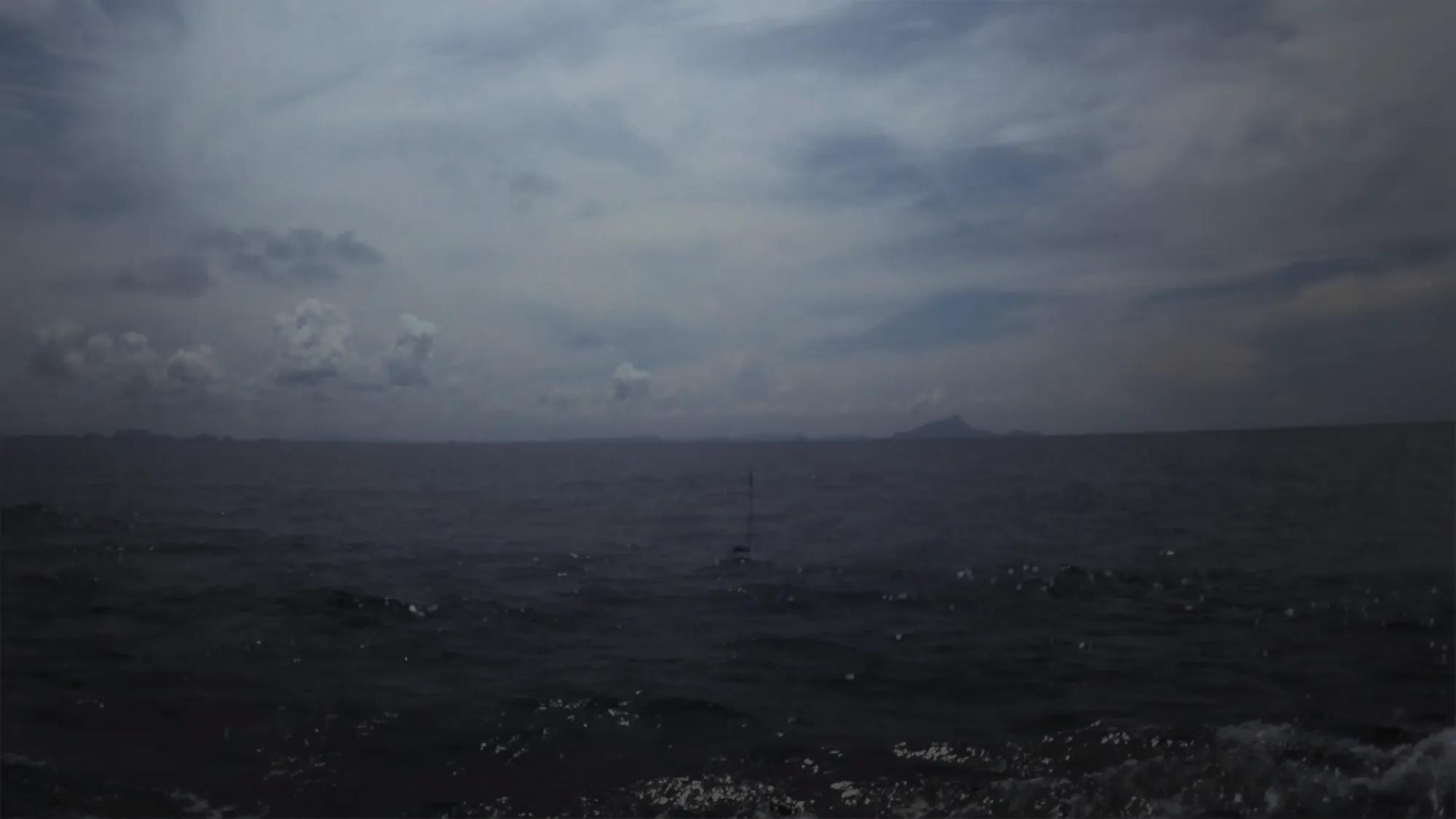
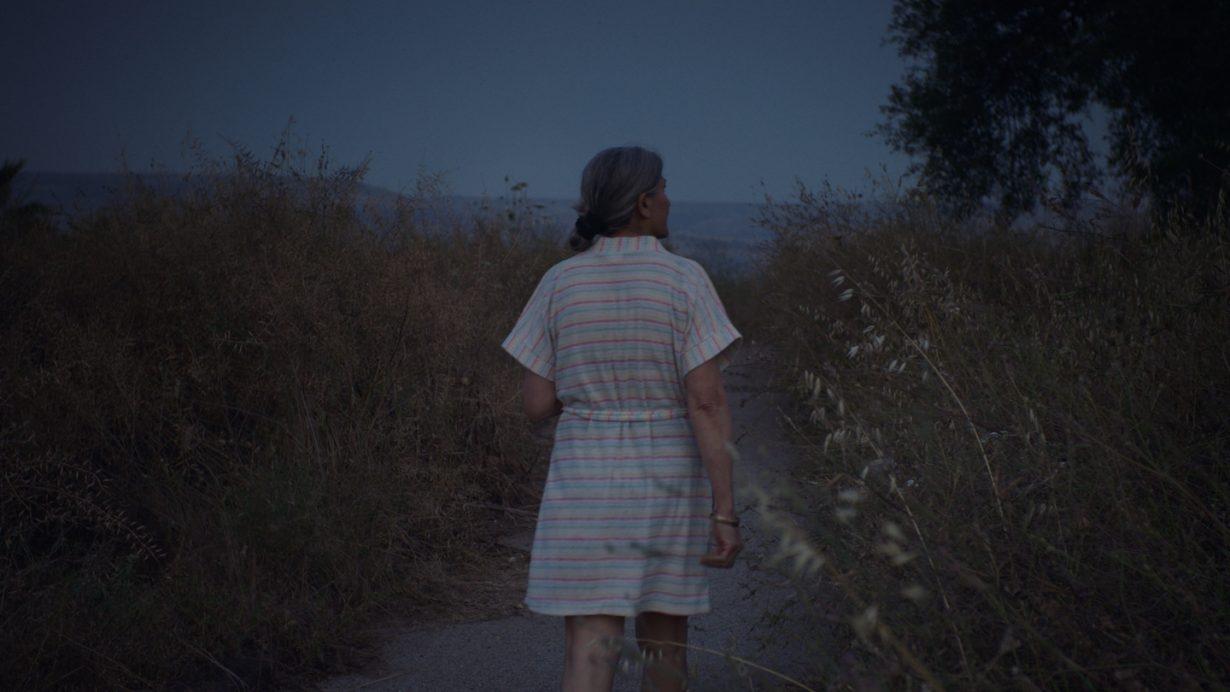
In Mexico City, multidisciplinary artist Natalia Ludmila presents in boats, a single-channel colour video and sound work lasting five minutes and ten seconds, with a score by Copenhagen-based composer and sound designer Katrine Amsler. Grounded in Ludmila’s politically engaged studio research into representation, conflict and social imbalance, the work confronts forced displacement and the uncertainty of reaching an unknown destination. Image and sculpted sound invite viewers to reconsider their own vantage points and imagine the lack of choices faced by those set adrift. Learn more →
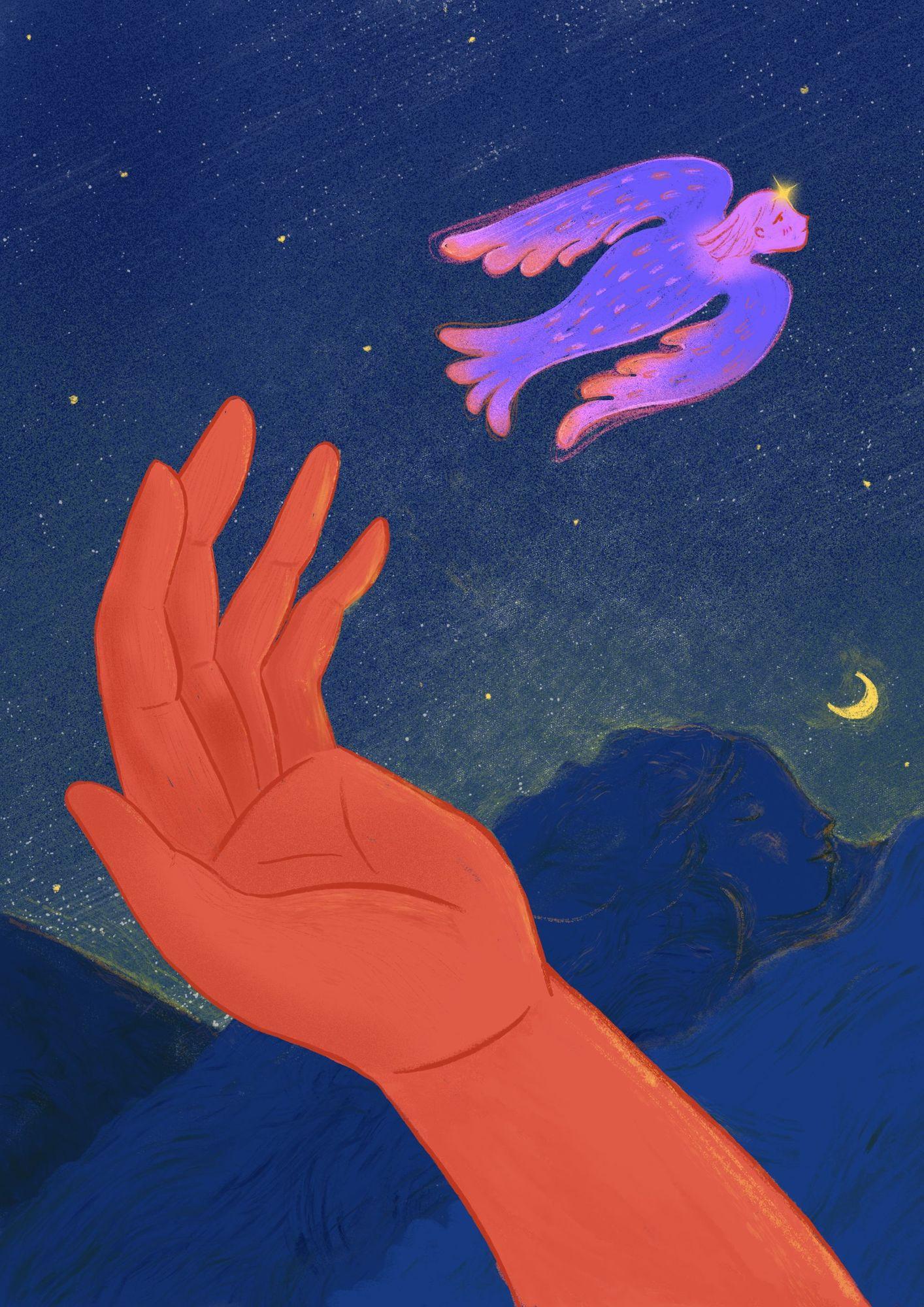
In Ecatepec de Morelos, illustrator Berenice Biaani presents Destiny Beyond the Palm (2026), a Spanish-language visual meditation on personal freedom and self-determination. Through symbolic imagery, the illustration considers the pivotal act of choosing — whether to stay, to leave or to let go — and the different paths people carve for themselves. It invites viewers to look beyond predetermined fate and recognise the agency held within moments of transition.
No one is Illegal on Stolen Land
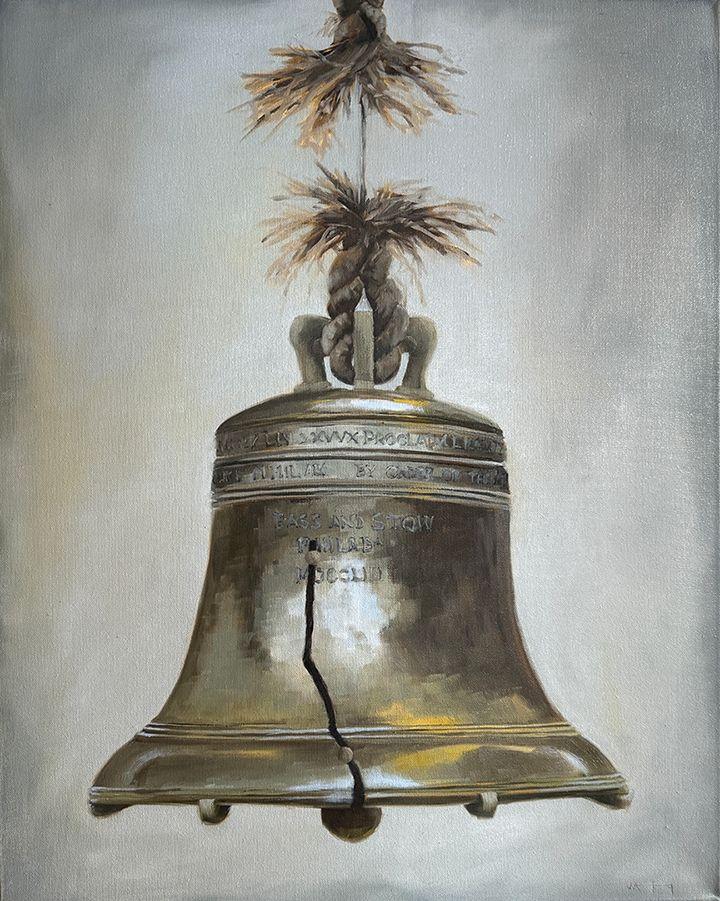
In Cushing, visual artist Wendy Armstrong presents Liberty, Hanging By A Thread, an urgent artistic commentary on civic fragility and the preservation of democratic rights. Addressing the ways corruption, greed and ignorance weaken the constitutional fabric of the nation, the work captures the precarious balance surrounding the ideals of democracy and liberty. Its warning is clear: foundational freedoms require active vigilance and collective responsibility. Learn more →
Across Louisiana’s River Parishes, Mapping Freedom: Signs of Resistance & Reclamation makes histories of resistance and liberation visible in the landscape. Developed by The Natural History Museum in collaboration with The Descendants Project, this public art intervention uses ten street signs across St. John the Baptist Parish to mark places and histories connected to emancipation, rebellion, Maroon communities and Black cultural traditions. Each sign names a “Passage”, recalling the networks of settlements and escape routes used by enslaved Africans and freedom seekers. The intervention also includes a hand-painted welcome sign by artist Breanna Thompson, reading “Welcome to the Emancipated Community of Wallace”. Learn more →
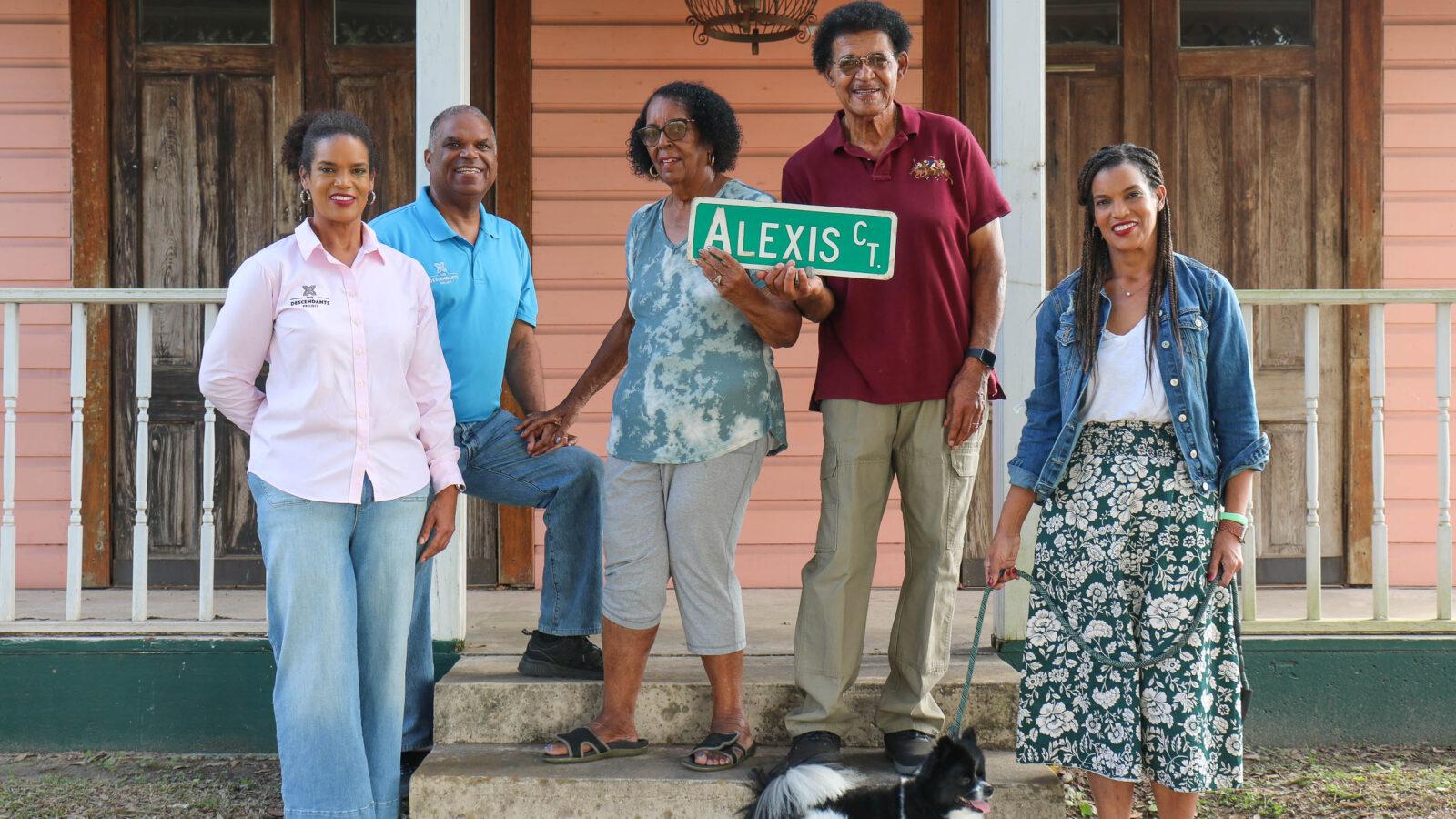
The installation was presented on November 13, 2026, as part of Beyond Cancer Alley: A Descendant-Led Journey Through Louisiana’s River Parishes. The gathering brought frontline environmental justice leaders together for a journey of solidarity, storytelling and exchange across the region, culminating in Wallace with food, live jazz and a community gathering. Many of the signs are intended to remain in place beyond the event. The project reclaims the authority to name and remember places, recognising the people whose lives and territories have been shaped by environmental harm and whose organising continues to defend the land. Learn more →
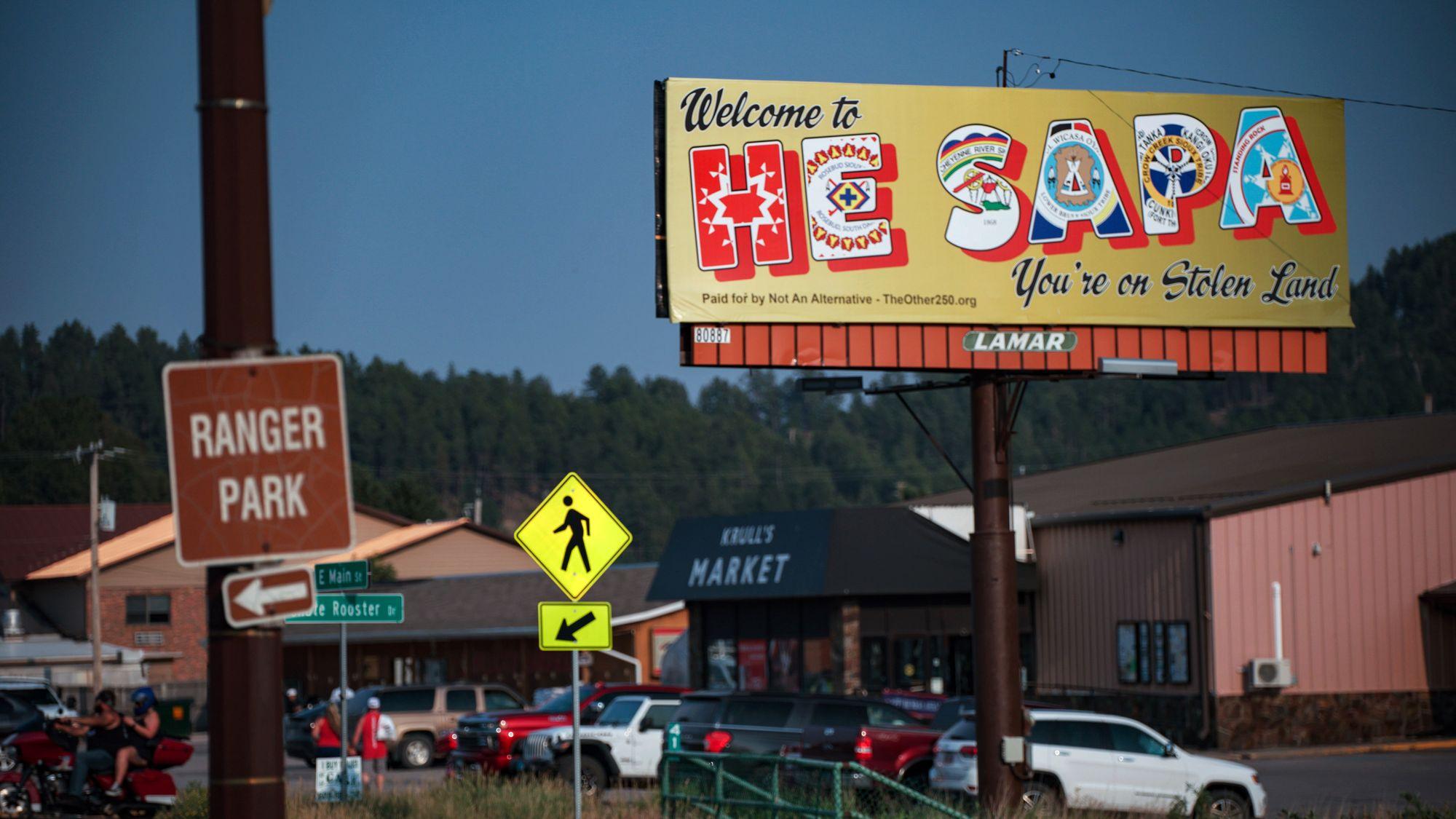
In Rapid City, Oglala Lakota artist Marty Two Bulls Jr. presents Welcome to He Sapa. You’re on Stolen Land., commissioned by The Natural History Museum as part of its Words Are Monuments initiative. The billboard campaign occupied six sites across He Sapa, the Black Hills, from July 23 to October 11, 2026. Borrowing the nostalgic aesthetic of a vintage vacation postcard, the billboard fills the bold lettering of “HE SAPA” with the flags of tribal nations holding unresolved treaty claims to the Black Hills. Its greeting is at once wry and sincere, confronting visitors with the history of the land beneath their feet.
Anchored in the unceded 1868 Treaty of Fort Laramie and connected to Oglala Lakota organiser Taylor Gunhammer’s counter-atlas essay for The Other 250, the work challenges historical erasure and ongoing extractive threats. It affirms Indigenous presence and sovereignty while inviting residents and visitors to recognise He Sapa as a sacred, living homeland. The land is not an empty landscape or a distant historical claim. It is a place of continuing relationship, responsibility and struggle. Learn more →
Learning to build bridges
Educator and author Lynn Ditchfield, Ph.D., presents Borders to Bridges: Arts-Based Curriculum for Social Justice, a 294-page guidebook bringing together contributors from 38 countries and 20 US states. Designed for K–12 educators, university faculty, teaching artists, counsellors and community programmes serving refugees and adult learners, the publication explores belonging, equity, diversity, inclusion, sovereignty and reciprocity through arts-based learning.
Lesson plans, personal narratives, poetry, mixed-media artwork and mindfulness exercises form an extensive pedagogical resource for schools and communities. The guidebook was launched at West Tisbury Public Library on June 24, 2023. Its approach encourages creative dialogue to confront fear, bullying and harmful myths, opening spaces where different experiences can be heard and understood. It places education and artistic inquiry at the centre of the work of building more inclusive communities. Learn more →
Across these places, the border takes many forms — a line imposed on ancestral land, a barrier to movement, a political division, a threat to democratic rights or a story told about who belongs. The practices gathered here remind us that communities continue to make relationships across those divisions, protecting their histories and building the conditions for collective futures. The Zapatista call to abrazarnos offers a way to understand this work: to meet without demanding sameness, to listen without erasing difference and to organise from below. Many worlds are already being made possible through these acts of solidarity, resistance and self-determination.
Palestine Cinema Days Around the World
Mexico stands with Palestine. The fourth edition of Palestine Cinema Days Around the World, organised by Filmlab Palestine, brought Palestinian cinema to Acapulco, Mexico City, Monterrey, Tepoztlán and Tijuana, November 1–4. Cinema continues to carry Palestinian stories, memories and voices across borders, refusing erasure. Learn more →
You can join in too
Global Artivism Month continues until 10 December. You can join the movement by putting yourself on the map, sharing your art or listing a November event.