People's archives challenge the authority of official histories. Across Southeast Asia, the past remains contested, shaped by what governments choose to commemorate, what institutions keep classified and whose experiences are excluded from the national record. An official archive can turn the past into a settled account, determining which events are remembered and whose testimony is preserved. A people's archive keeps history alive as something that can still be questioned, interpreted and reclaimed. It exists in the stories people carry, in the marks left on bodies and objects, in images and in collective acts of remembering. These archives give form to experiences that official records overlook, while allowing communities to participate in shaping how their histories are transmitted. This dispatch follows five initiatives across Bangladesh, Indonesia, Thailand, Singapore and Malaysia, from a youth-led gathering in Cox's Bazar and a feminist exhibition in Banda Aceh to artworks that turn bodies, doors and illustrations into sites of memory.
Cox's Bazar: whose experience enters the record
25–27 November · Cox's Bazar District, Bangladesh
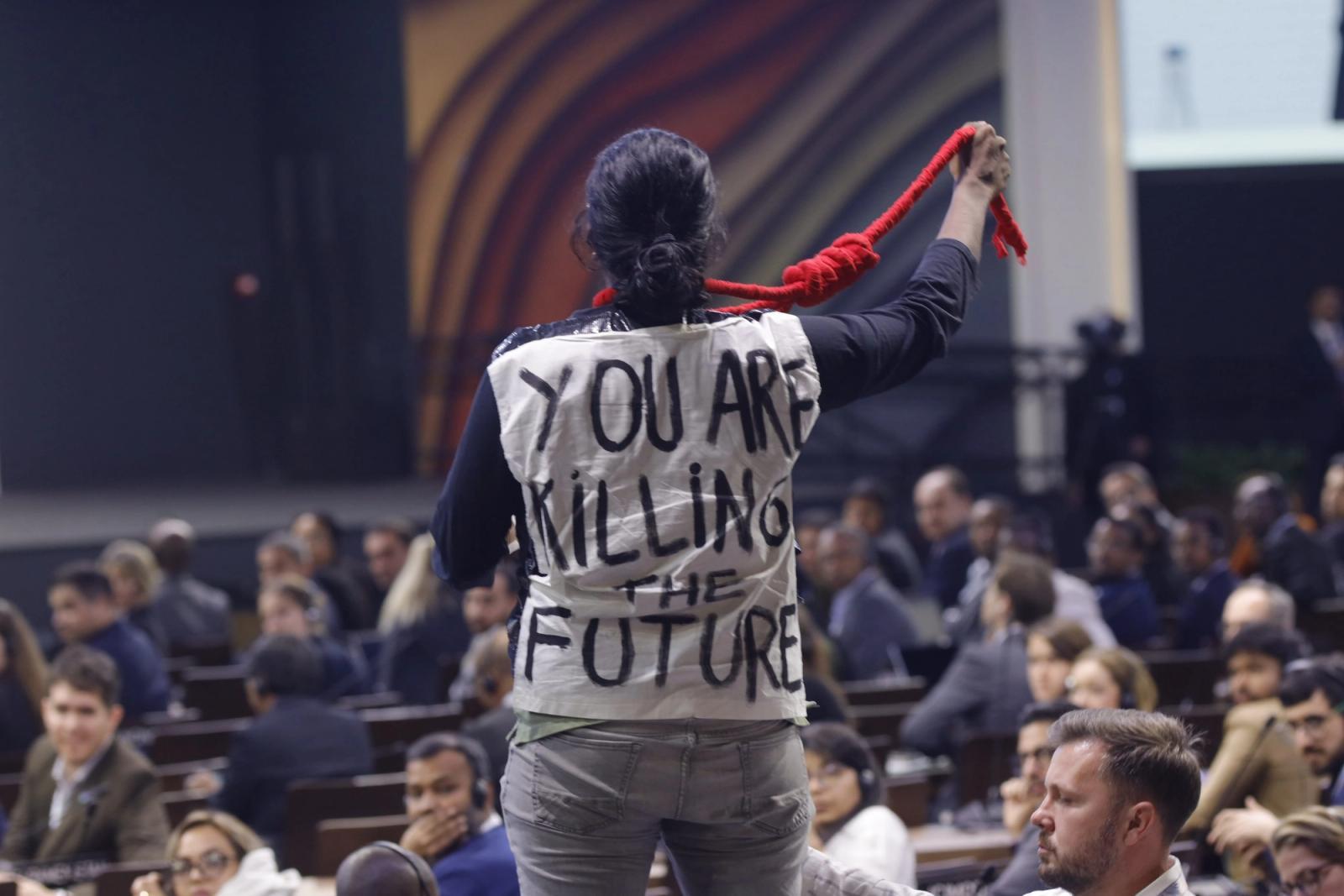
What happens when the people most affected by displacement organise to have their experiences heard? The Rohingya Youth Union (RYU), a refugee-led and youth-led organisation, convenes the APSOR 2026 – Cox's Bazar Local Hub, a three-day hybrid summit bringing together Rohingya refugees and host community representatives to discuss protection, durable solutions and regional action. The gathering connects local voices to the Asia-Pacific Summit of Refugees (APSOR) 2026 in Jakarta.
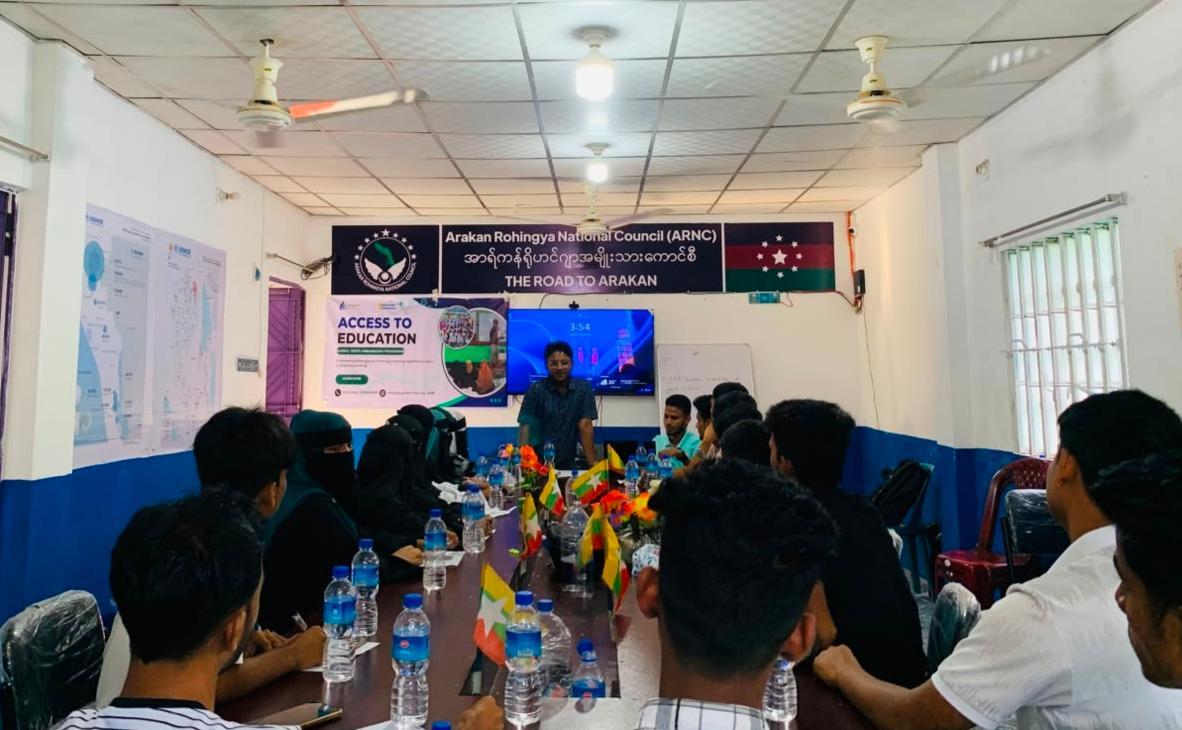
The initiative places refugee participation at the centre of conversations about the future of displaced communities. RYU works to strengthen the rights, dignity and meaningful participation of Rohingya refugees and host communities in decisions affecting their lives. Its work includes education, youth leadership and cultural preservation. The local hub extends this commitment by creating a space for people directly affected by displacement to contribute their perspectives to a wider regional process. Learn more →
Banda Aceh: an exhibition for the sixteen days
25 November – 10 December · KontraS Office, Banda Aceh, Indonesia
As the 16 Days campaign against violence against women approaches, an exhibition in Banda Aceh shows how a women's learning circle can become public memory. Mirisa Hasfaria started the Peer Support for Women group as a monthly in-person meeting, a safe and shared space where women study how patriarchy shows up in everyday life, reflect on how to stay clear-minded and conscientious, and widen their awareness of the most basic rights to life. The first cohort finished its course in July 2026. Asked what feminist action should mark their graduation, they chose an art exhibition.
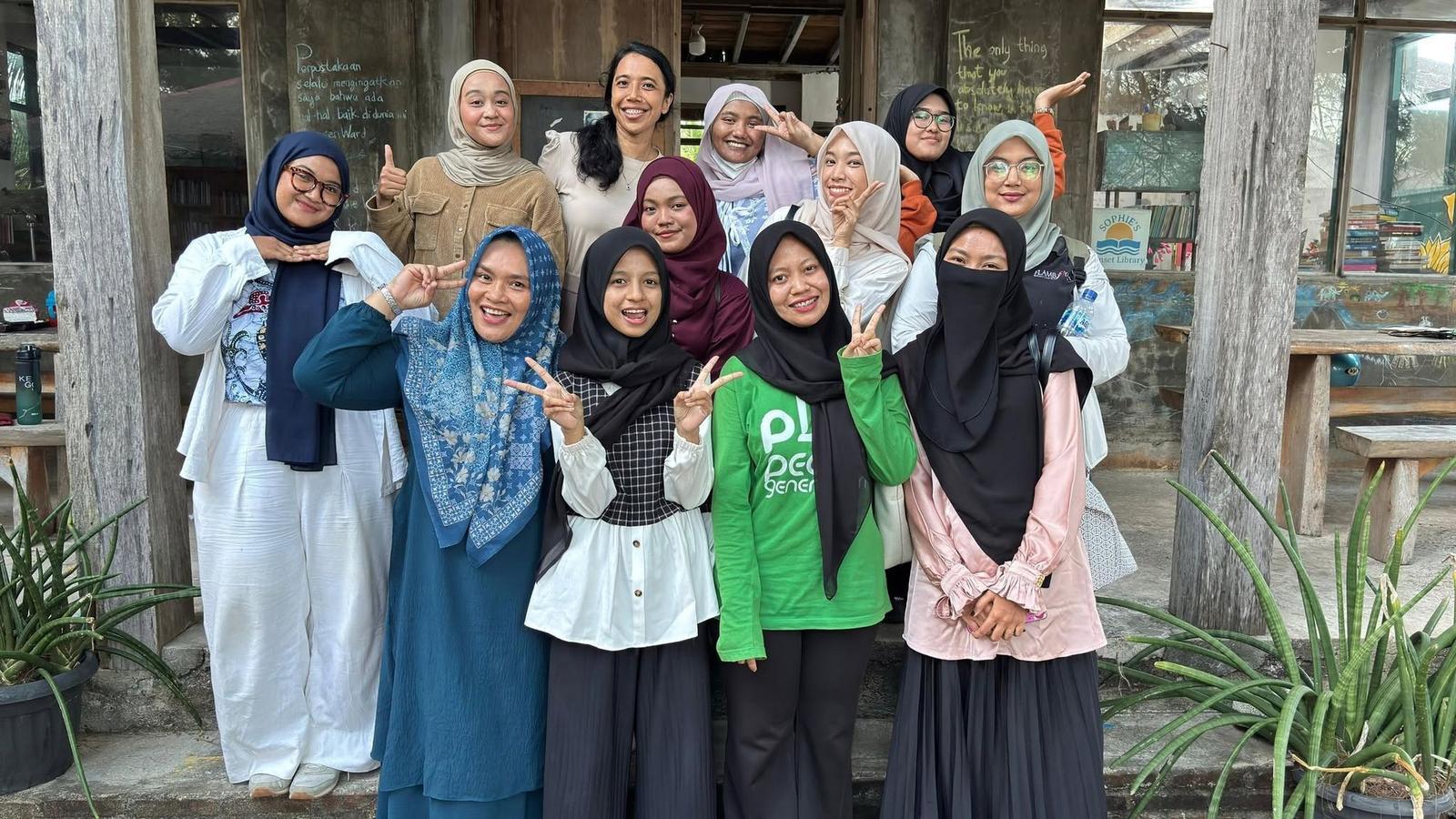
The exhibition now joins forces with KontraS Aceh, the Aceh Commission for Disappearances and Victims of Violence, for the 16 Days campaign. Beyond the artworks, the programme includes thematic discussions, among them for the international day of women human rights defenders, the international day of persons with disabilities, International Volunteer Day and International Human Rights Day, along with film screenings and a hikayat performance. Held at the office of a commission for disappearances and victims of violence, a feminist exhibition becomes another way of keeping the record that official accounts leave out. Learn more →
A body as archive
Sophirat Muangkum · Bangkok, Thailand
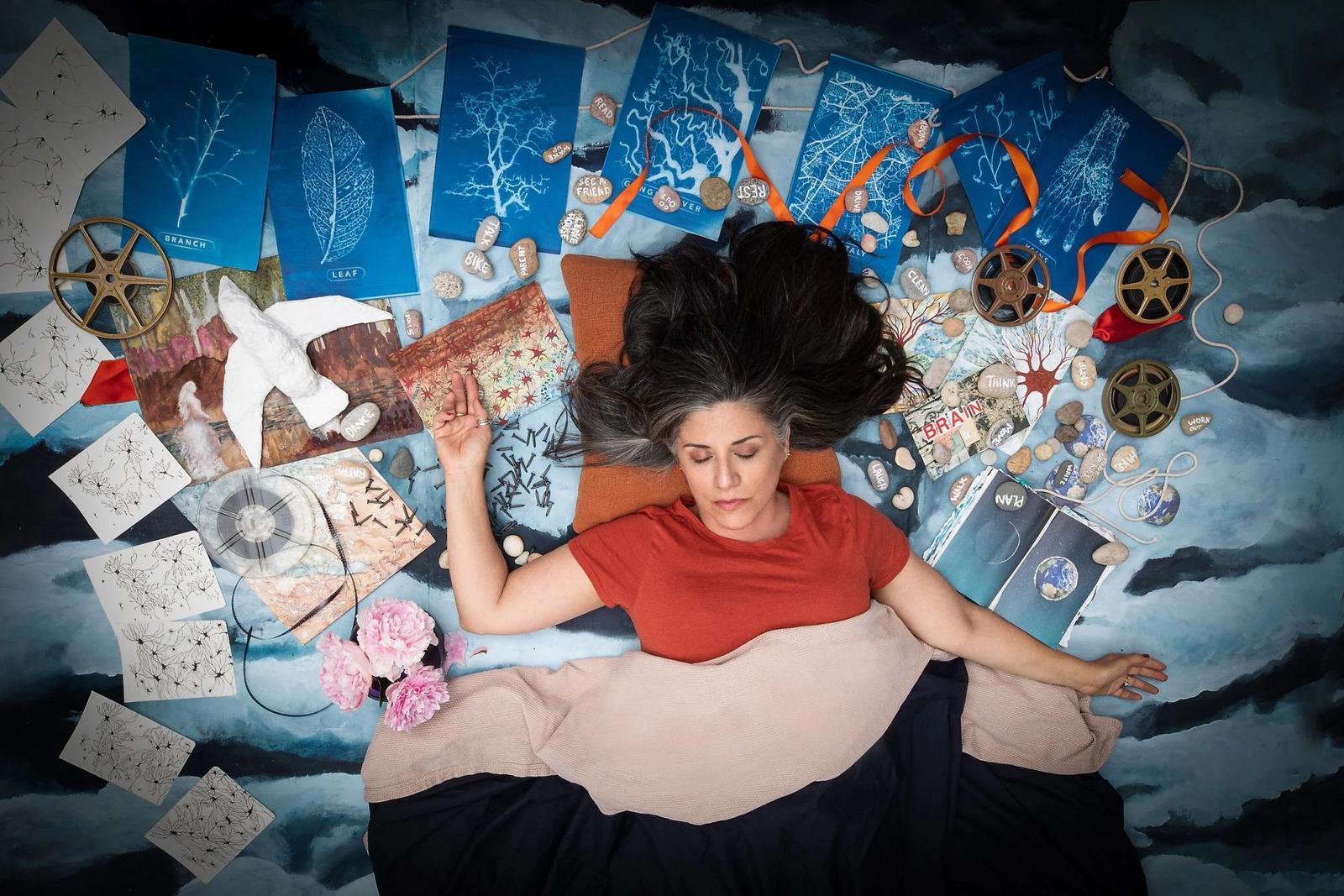
Where is a life archived when official records leave out the experiences of those who migrate? In Cartographies of the Body, Bangkok-based artist and curator Sophirat Muangkum explores migration through the bodies, memories and personal belongings of migrant workers in Southern Thailand's border region.
The photographic and installation-based project transforms migrant workers' personal stories of migration to Pattani into maps drawn on their backs. The body becomes an archive of memory, carrying traces of places, relationships and experiences that remain after leaving. Language, labour and identity shape these maps, which follow lived experience rather than geographical borders. The work makes visible the ways people carry a sense of home within themselves, even as migration changes their relationship to the places they have left.
More about Sophirat Muangkum's work.
A remembering door
Anit Kaur · Singapore
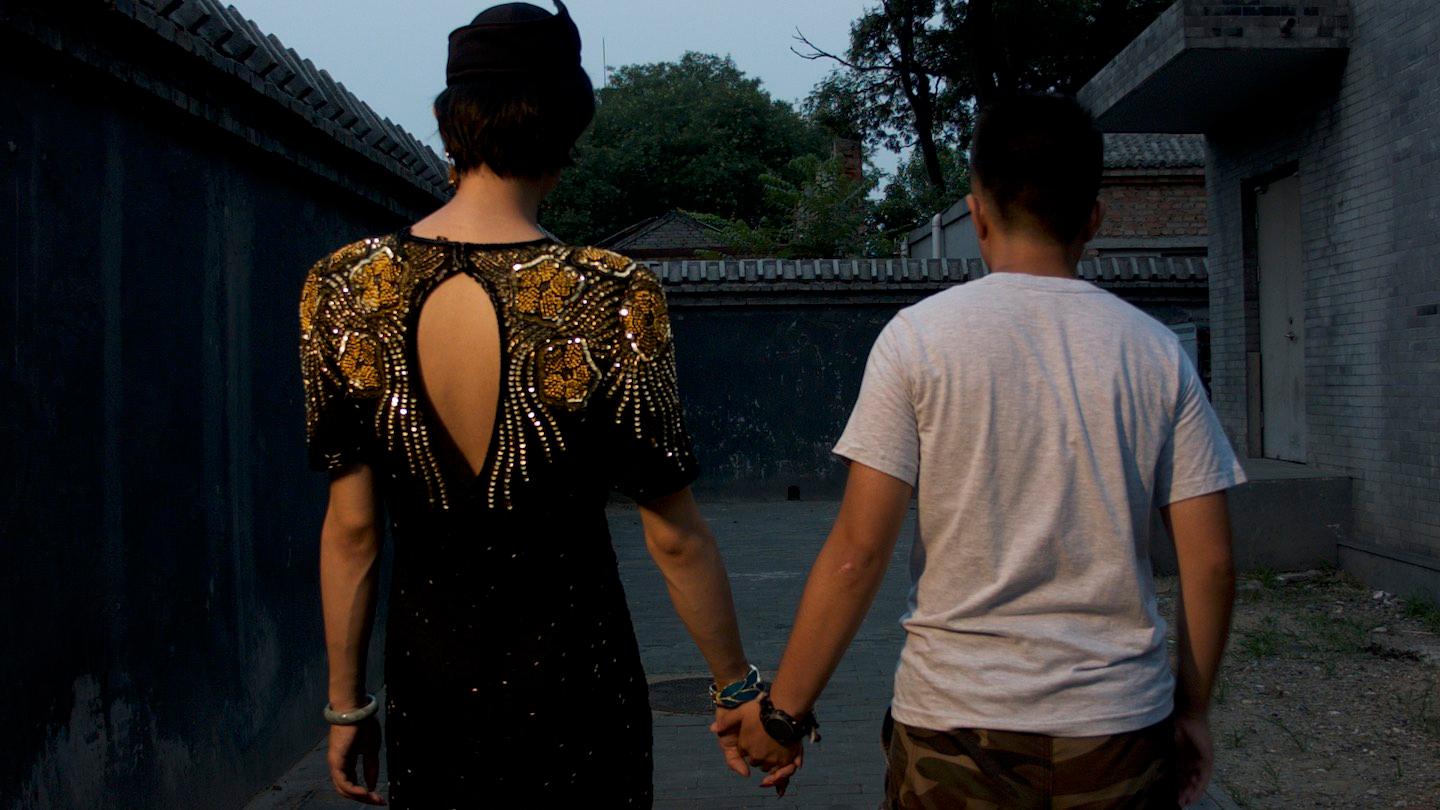
In Behind Closed Doors, Singaporean Sikh artist and art therapist Anit Kaur explores how creative practice can transform experiences of domestic and intimate partner abuse. At the centre of the installation is a wooden door, deliberately damaged by the artist. She later invited other women to add their own marks using everyday household objects, turning its scarred surface into a record of shared witness.
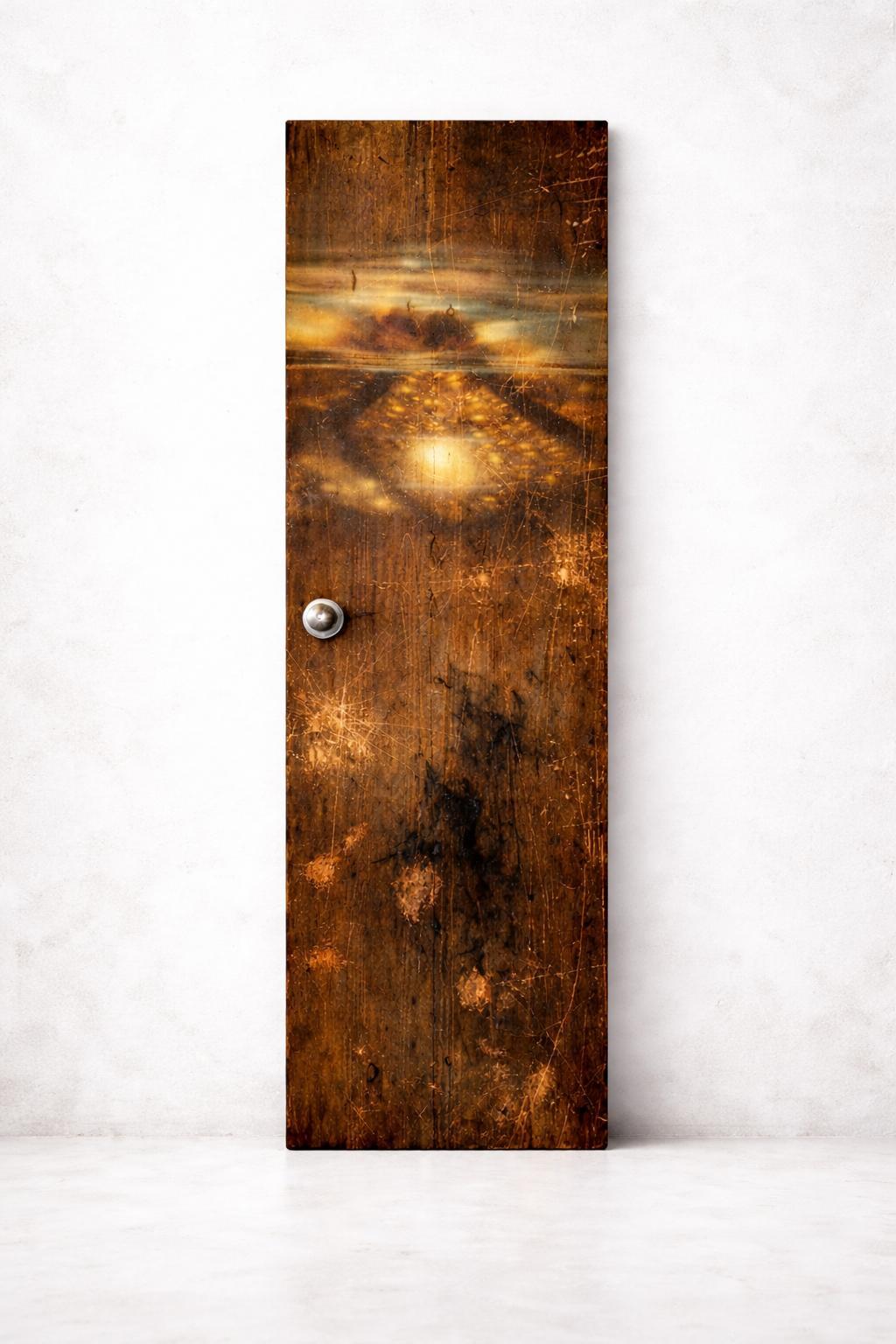
A looping video projection of Indian jewellery brings colour and cultural imagery across the damaged wood. The contrast between the marked surface and the projected images reframes the door as a space of rupture and possibility. Its marks record force and resistance, while the act of adding to them creates a collective gesture of expression and reclamation. The work asks how beauty and new meaning can emerge from what has been damaged.
Kaur's wider practice draws on trauma-informed, arts-based approaches to support survivors of abuse, with an emphasis on dignity, agency and the reclamation of voice.
More about the installation and her practice.
An illustration for Liberation
Veshalini Naidu · Petaling Jaya, Selangor, Malaysia
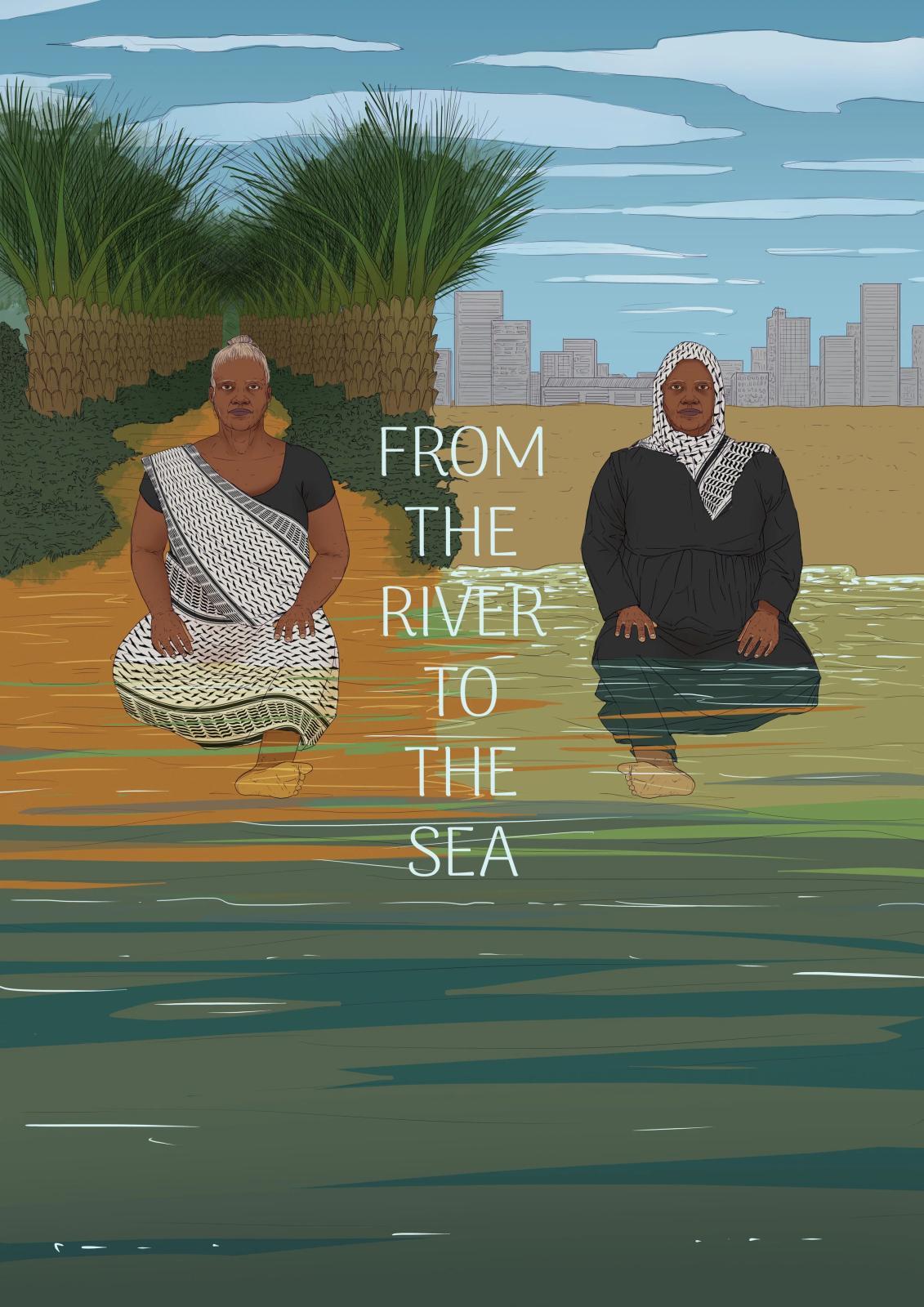
In From The River To The Sea, Malaysian artist Veshalini Naidu connects an annual Deepavali illustration practice with the struggle for Palestinian liberation. Naidu made a pact to illustrate something for Deepavali every year, and this piece dates from 2023. It answers what Naidu saw on social media after 7 October, when many Malaysian Indians repeated Zionist talking points that Naidu attributes to internalised Islamophobia and xenophobia.
The work insists that our past, present and future are bound to the rest of the world. It reads destroyed temples, burned olive trees, deaths in custody and genocide as one pattern, since for Naidu every colonial project is the same. In Naidu's words, "We cannot free ourselves if we do not free everyone else too." The work frames solidarity with Palestine as part of a wider commitment to collective freedom.
More of Veshalini Naidu's work.
You can join in too
Global Artivism Month continues until 10 December. You can join the movement by putting yourself on the map, sharing your art or listing a November event.