On 10 December, International Human Rights Day, the Global Artivism Movement invites communities across the world to celebrate Global Proof of Life Day, the culmination of Global Artivism Month. At a time when authoritarianism, war, racism, inequality and ecological destruction threaten human dignity and the living world, this call turns our attention to the people and movements who refuse to accept injustice as inevitable. Across generations and struggles, their actions show that solidarity can transform realities and keep other futures within reach.
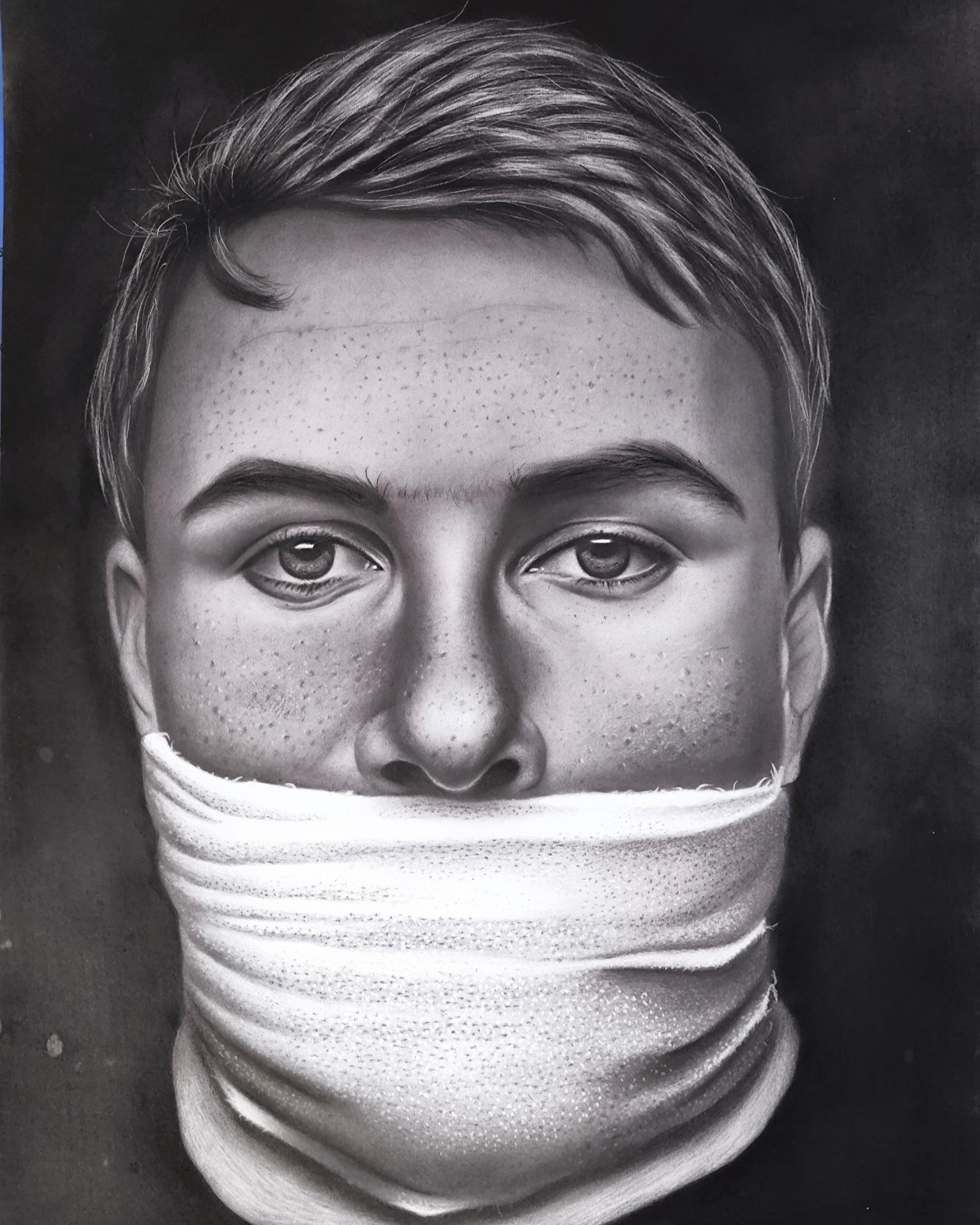
The invitation is to bring this commitment into communities, workplaces, schools and public spaces through gatherings, music, poetry, theatre, dance, visual arts and storytelling. It asks everyone, everywhere, to answer one question in their own language and artistic form. What is your proof of life? It is a day to make visible the courage, imagination and solidarity that persist, and to affirm our commitment to human dignity and the living world.
What are we coding for, and whom are we coding for?
These questions, posed by Code Circles, invite us to reconsider the intentions behind the technologies we create and use. Code is never separate from the structures in which it operates, and the platforms through which people communicate are shaped by political and economic interests. Reclaiming coding for fun and community opens other possibilities, grounded in shared knowledge, curiosity and collective agency.
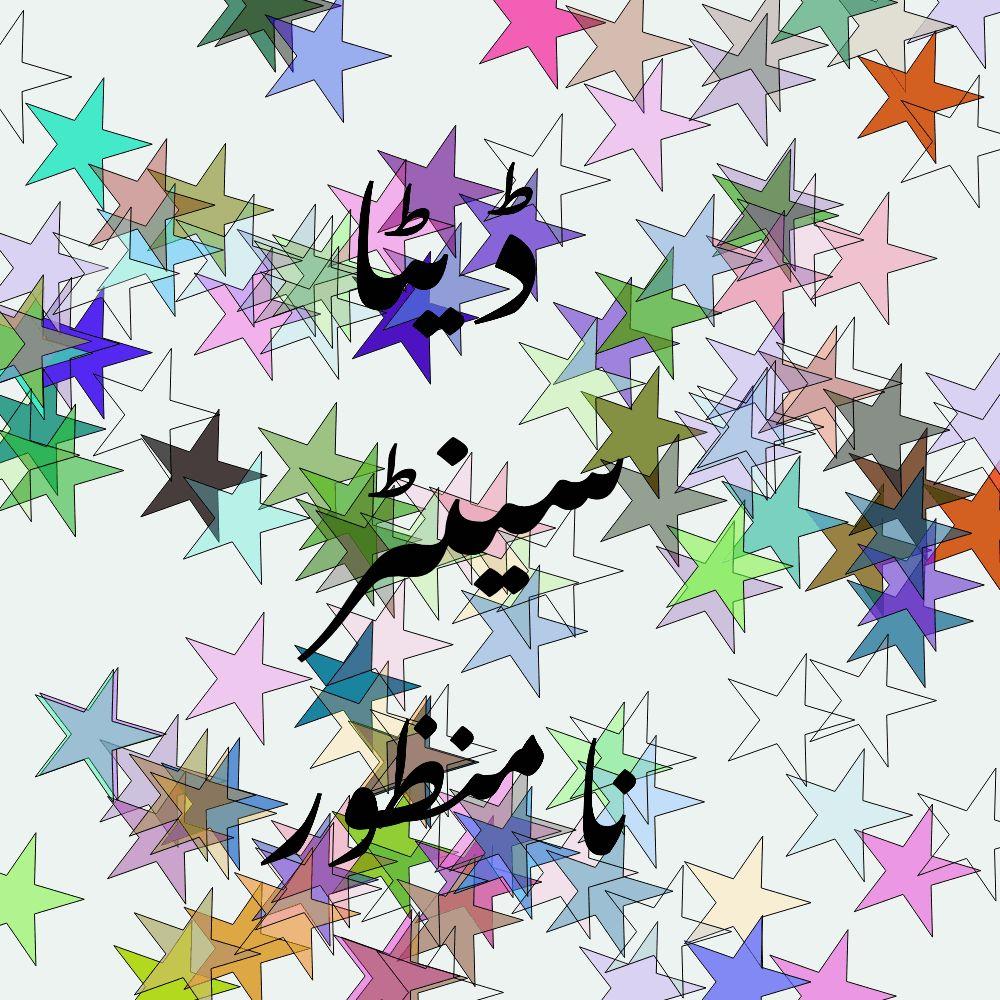
In Karachi, Pakistan, these questions connect two initiatives that approach technology through different forms of expression. Code Circles proposes coding as a shared activity rooted in intention, community and pleasure. Namanzoor, a series of generative digital artworks by Nabeera Hussain, addresses the political conditions shaping everyday online life, including data infrastructure, proposed social media restrictions and digital surveillance. One invites people to learn and experiment together. The other turns artistic production into a form of dissent.
Code Circles is a community-building initiative for people who want to explore coding beyond its usual association with employment, productivity and profit. It seeks to reclaim programming as an activity pursued for its own sake, through experimentation, exchange and enjoyment, and it extends that commitment to the internet itself, defending the right to an online environment that remains free and open to all.
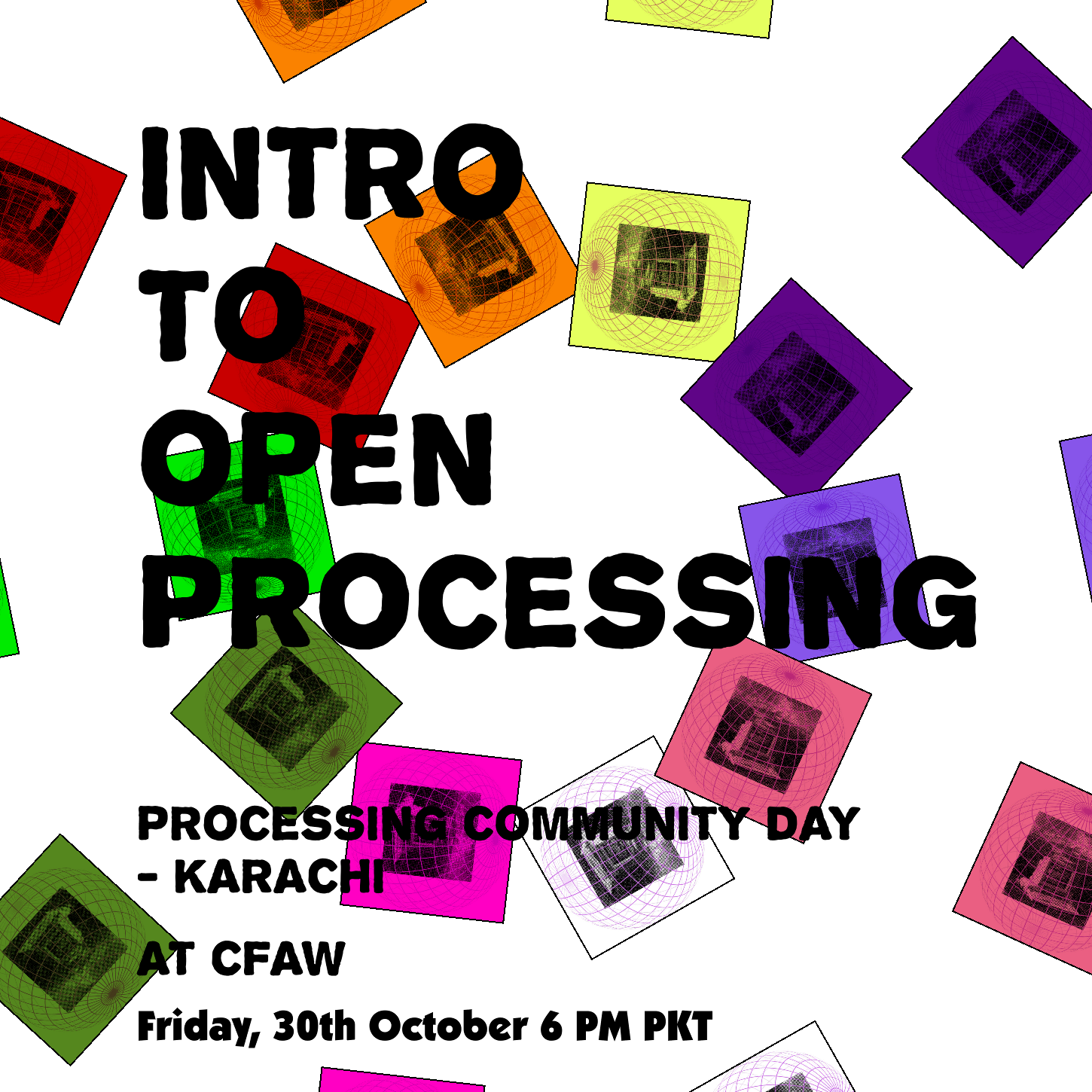
This approach took shape at a gathering in Karachi built around Processing, a programming language and environment for creative coding. The workshop introduced participants to p5.js and OpenProcessing, an accessible way to make digital artworks through code. No previous experience was required. The emphasis was on experimenting and learning together, and on approaching programming as a medium of expression and not as a technical skill reserved for professionals. Learn more →
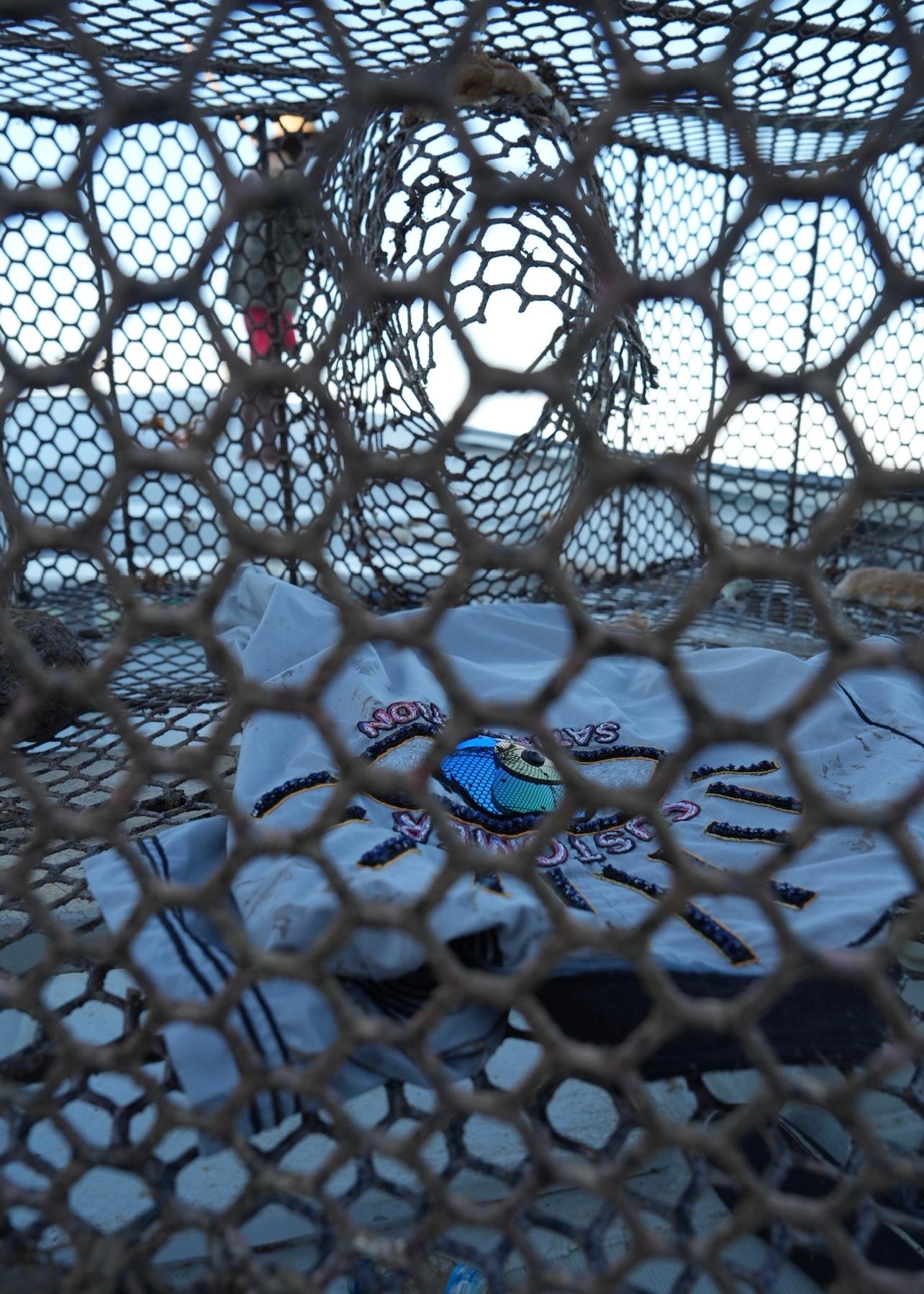
The same questions give direction to Namanzoor, released between July and September 2026. The title, an Urdu word meaning “unacceptable”, frames the series as a response to recent interventions by the Pakistani government in the country’s digital landscape, among them the construction of data centres, proposed age restrictions on social media and the expansion of digital surveillance. These developments raise questions about who controls digital infrastructure, who can take part in online spaces and how citizens are monitored.
The works use generative processes and tools including p5.js and OpenProcessing, the same ones that enable play and experimentation, and here they examine the systems that organise digital life. Namanzoor brings that tension into artistic practice, using generative art to register dissent and to make visible what its title declares unacceptable. Taken together, the two initiatives suggest that reclaiming technology means both creating alternative ways to use it and questioning the power relations that shape it. Learn more →
Stories That Refuse Erasure
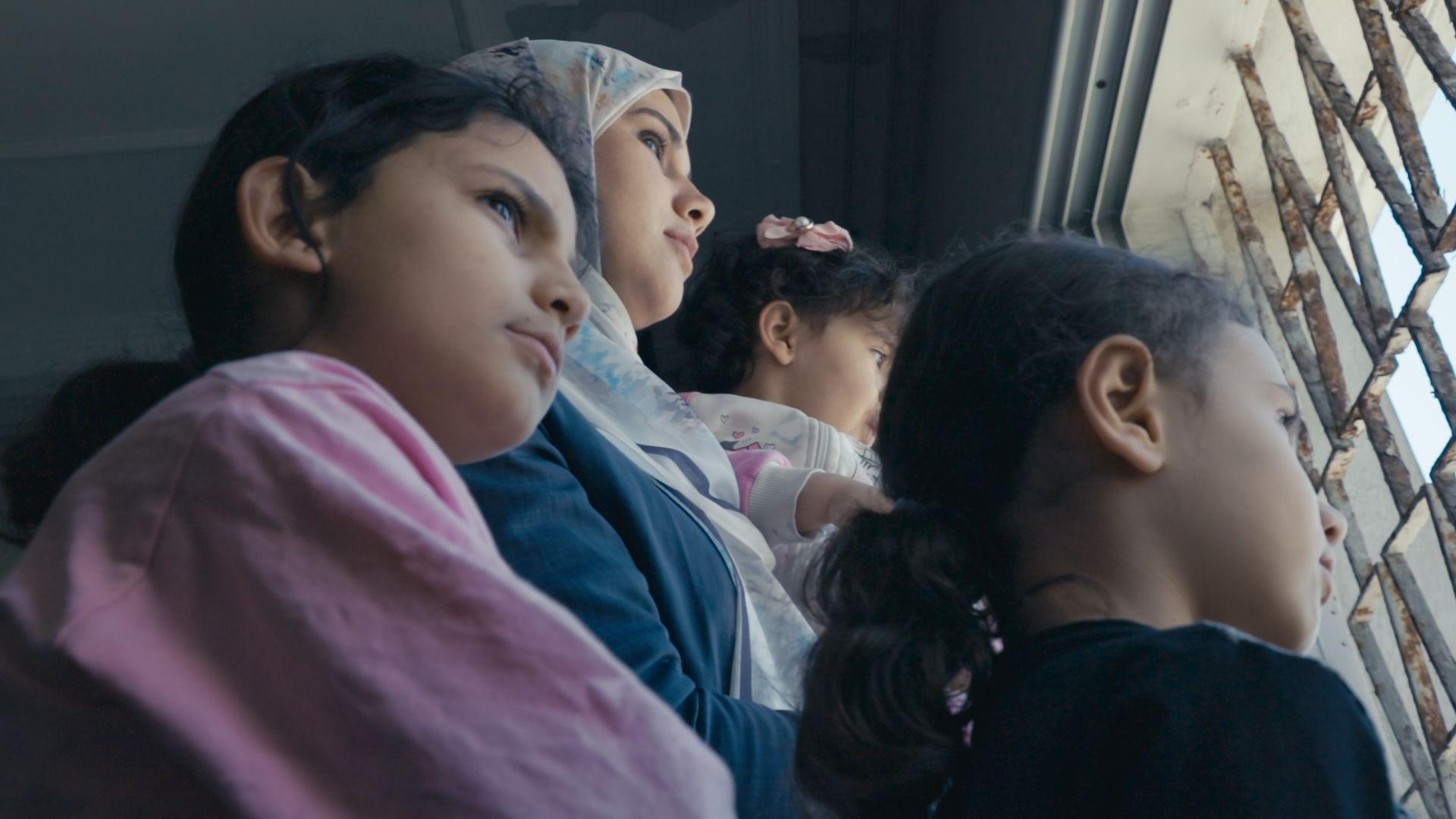
In Dushanbe, Tajikistan, Palestine Cinema Days Around the World added another dimension to the circulation of cultural expression. Organised by Filmlab Palestine, its fourth edition took place on 2 November 2026 under the theme Cinema Across Borders: Stories Beyond Erasure. The Dushanbe programme included Gazawyat: Maha, a four-minute documentary directed by Moayed Abu Ammouneh. The film follows Maha, a displaced mother in Gaza who becomes a teacher, doctor and refuge for her children amid genocide. Through imagination and play, she works to shield them from fear and to create a sense of safety amid the destruction. The screening was listed as a private event, part of the wider international network of screenings organised around Palestinian stories and experiences. Learn more →
You can join in too
Global Artivism Month continues until 10 December. You can join the movement by putting yourself on the map, sharing your art or listing a November event.