As the 16 Days of Activism against Gender-Based Violence begin on 25 November, questions of safety, dignity and the right to shape one's own life come into renewed focus. Across India and Nepal, artists, cultural workers and community organisers are approaching these questions from different directions. Their work addresses the violence embedded in social relations, the consequences of public policy, the unequal distribution of resources and the conditions that determine whose experiences are heard. Some work through images and exhibitions, others through public inquiry, music, textile practices or collective organising. Together, these initiatives offer a picture of a region in movement, where struggles for rights are intertwined and where artistic practices help make visible the structures that shape everyday life.
Stitching the Rights We Claim
On 26 November, India marks Constitution Day. In a New Delhi library, a stitching circle will gather around the text of the Constitution itself. Se(w)cular Stitches: Stitching Our Rights, organised by Rafunaama at The Community Library Project, uses textile art as a way to examine fundamental rights and consider how they are experienced, protected or denied. Participants are invited to reflect on the Constitution and to imagine the rights they want for the future. The act of stitching becomes a way of bringing people together around questions of citizenship, justice and collective responsibility. It also places the Constitution in conversation with the lives of those who must continually claim the rights it establishes. Learn more →
Our Stories Beyond Power
Other initiatives are concerned with how experiences enter the public record, and whose accounts become part of history. The People's Commission and Public Inquiry Committee, a people-led process initiated in 2021, documents people's experiences during the pandemic, the policies introduced in response and their wider consequences across India. Its work seeks truth, accountability and justice while amplifying voices that are often marginalised in official accounts. This process of gathering testimony connects personal experience with the examination of institutional decisions and their effects on people's lives. Learn more →
A related concern with the narratives that legitimise power runs through How Do They Justify Oppression!, an exhibition by Evita Das and the South Asian Solidarity Collective in Delhi. The collective works across South Asia to build solidarity around peace, democracy and justice, challenging oppression, discrimination and militarisation. The exhibition places official narratives of development, freedom and progress alongside the lived experiences of Kashmiris, Dalits and Adivasis. By bringing these accounts into the same space, it examines how the language of progress can be used to justify conditions of oppression, and how the experiences of communities living with those conditions challenge the stories told on their behalf. The work invites viewers to question who has the authority to define freedom, and whose lives are excluded from its promises. Learn more →
Impostergable Queer Questions to Transform Society
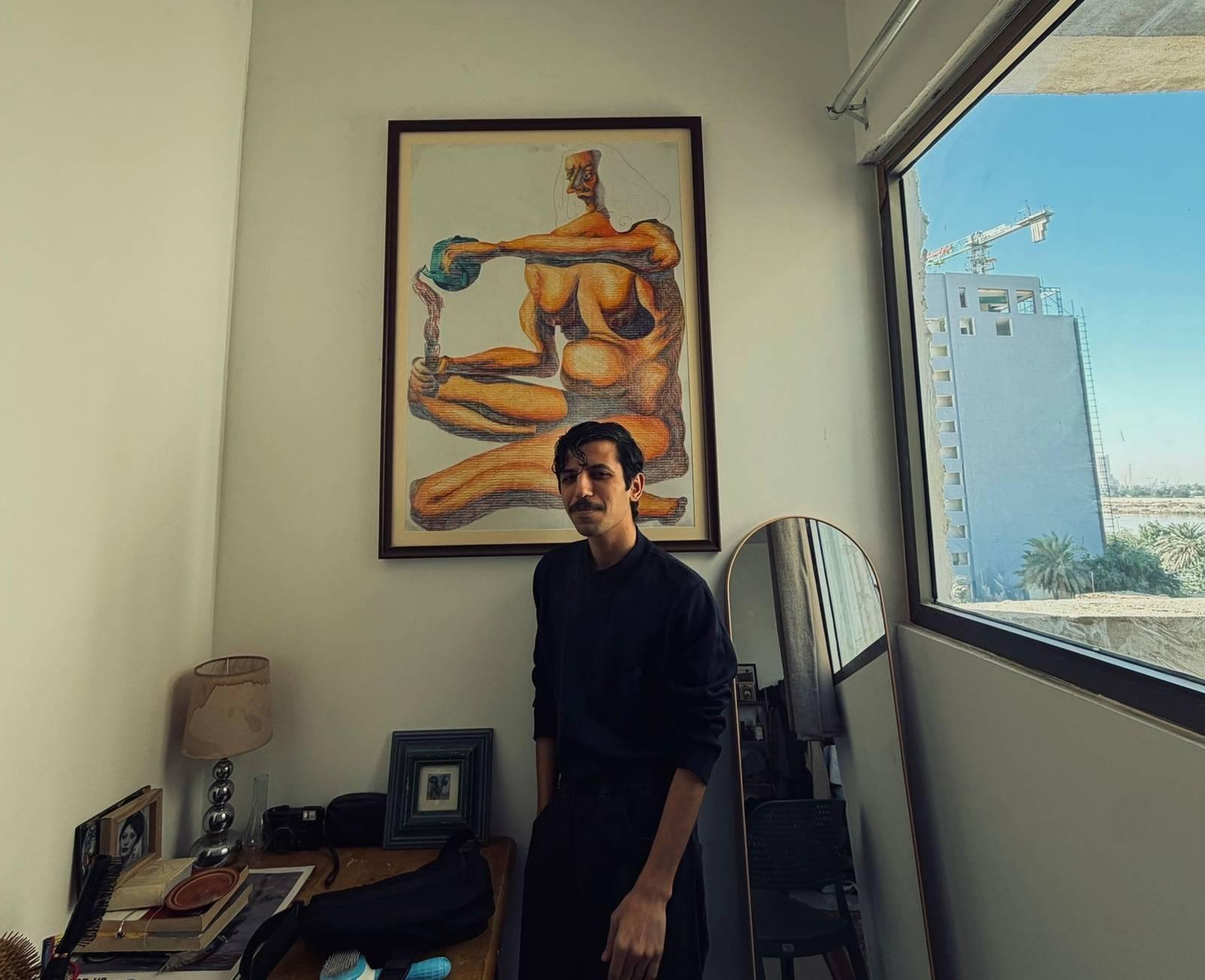
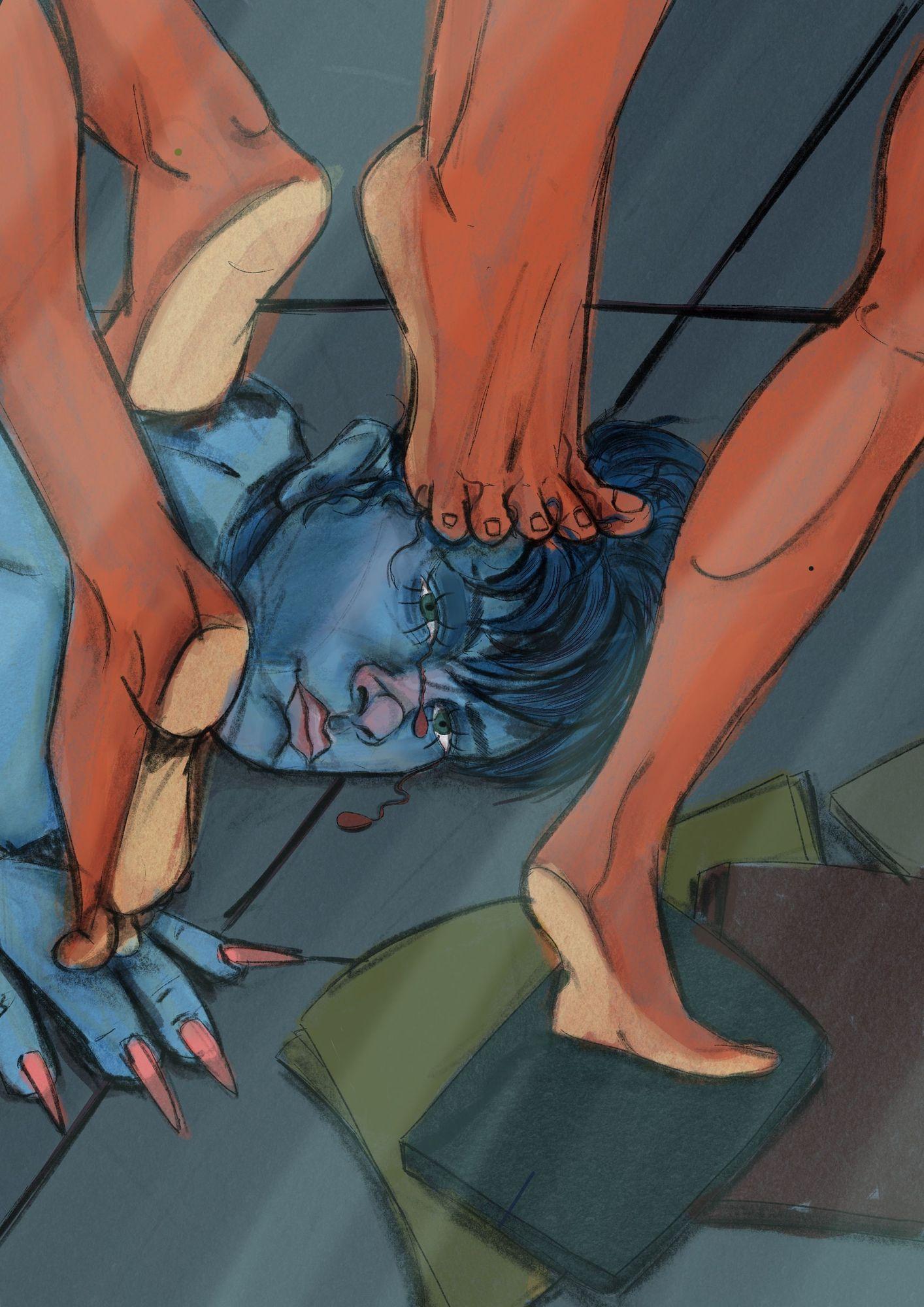
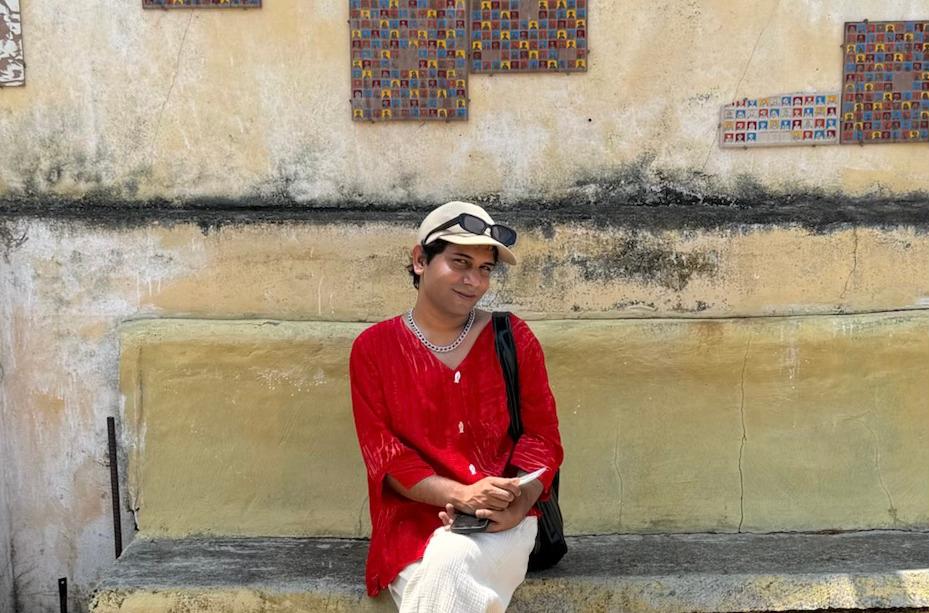
The body is another site where these struggles become visible. Goa-based artist Parth Pawar, a Dalit transfeminine interdisciplinary artist, works through visual expression, storytelling, communications and community-led cultural practices. As founder of The Phosphene Magazine, Pawar creates space for Dalit and queer imagination, resistance, joy and intimacy. Their illustration Beneath the Violence, made in 2024, confronts the violence and humiliation inflicted on Dalit queer bodies. It exposes the ways caste and gender-based oppression intersect while asserting dignity, autonomy and freedom. The work places experiences that are frequently pushed to the margins at the centre of its visual language, insisting that the right to live freely must include the right to inhabit one's body without humiliation or violence. Learn more →
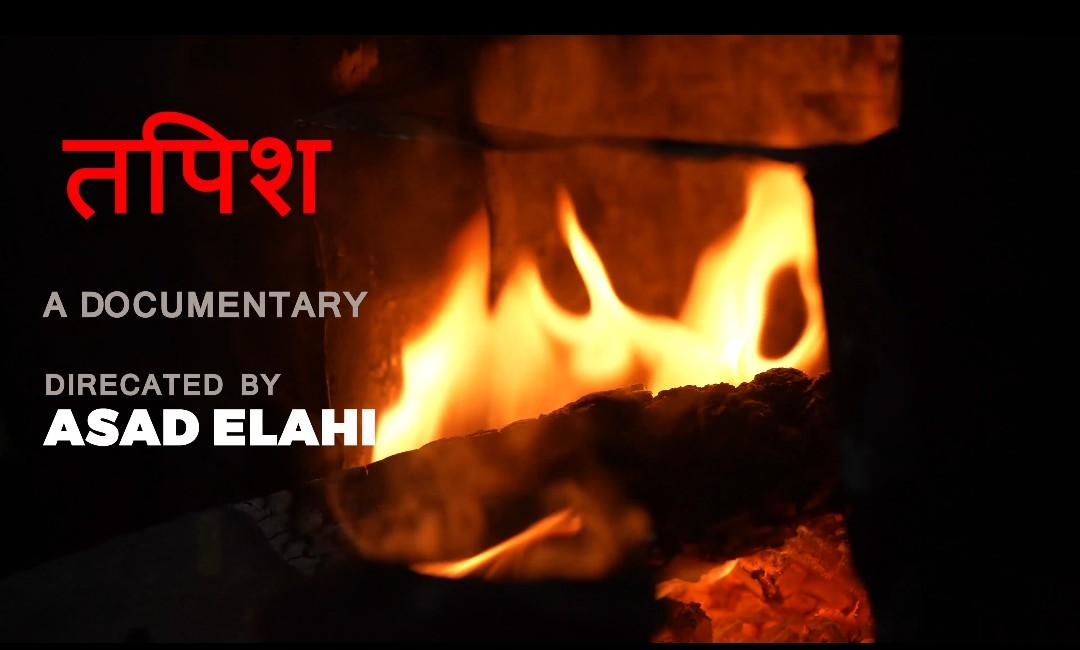
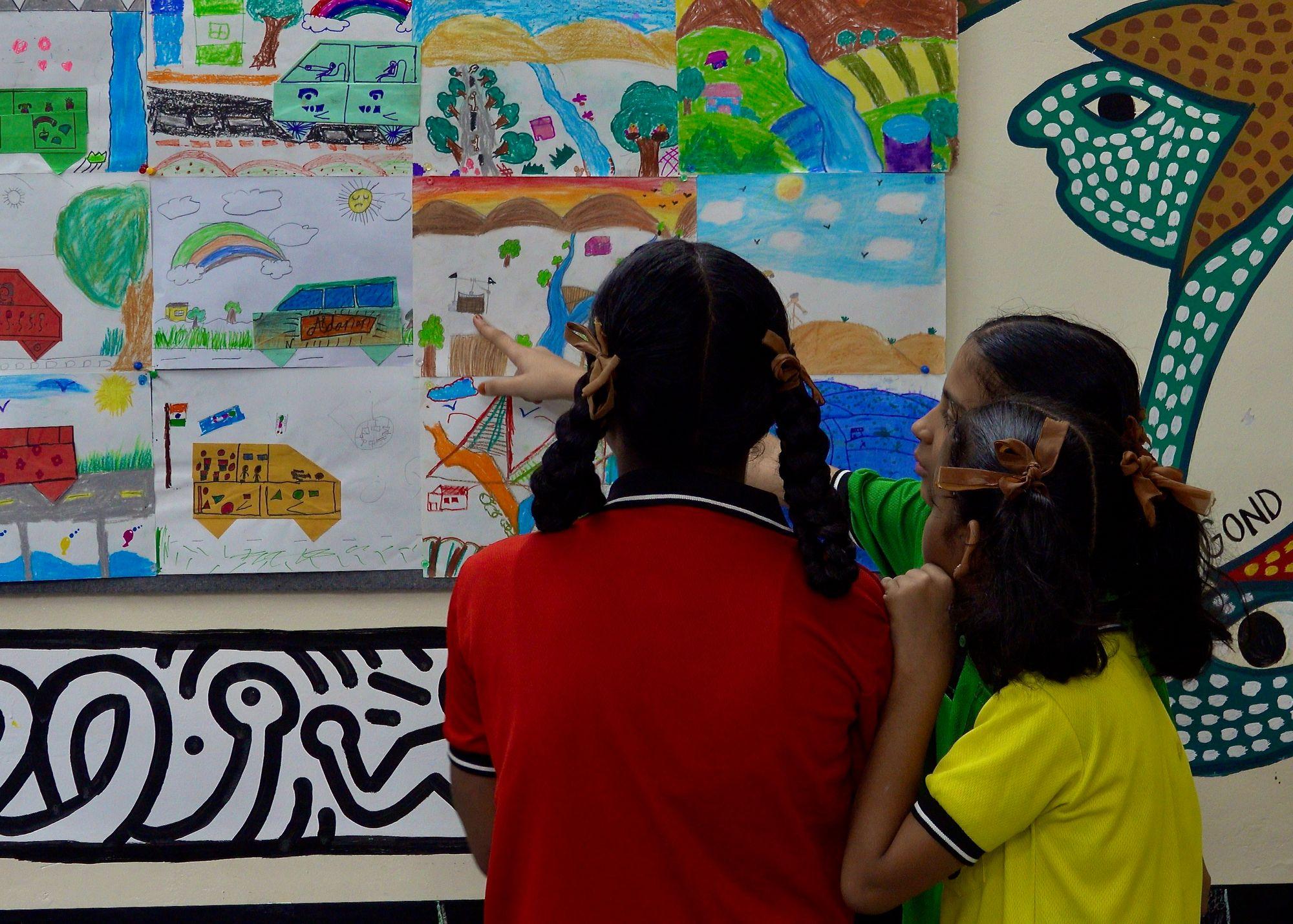
Questions of dignity also extend to the material conditions that sustain everyday life. Banka Earth Foundation works towards access to water, sanitation and hygiene for all, at all times and in all places. Its stated commitment brings attention to infrastructure as a matter of rights, recognising that access to essential resources shapes people's possibilities for health, safety and participation in society. In New Delhi, Asad Elahi's Tapish Heat addresses the impact of night-time heat on migrants, bringing attention to the unequal conditions in which people experience environmental change. On 2 December, Saturday Art Class presents Climate Through the Lens of Children at Shankerwadi Mumbai Public School. The exhibition brings together artworks by children from underserved communities, offering their own perspectives on a changing climate. Their images make room for experiences and understandings that are often absent from public discussions, while recognising children as observers and interpreters of the environments they inhabit. Learn more →
How to Move Through Other Ways Forward
Organising also takes shape through the creation of spaces where young people can develop collective leadership and act on the conditions around them. Haiyya Foundation supports youth-led community organising and leadership, grounded in feminist, anti-caste and people-powered values. Its work contributes to a wider landscape of movements seeking a more democratic and empathetic society, where people can participate in shaping the decisions that affect their lives. Learn more →
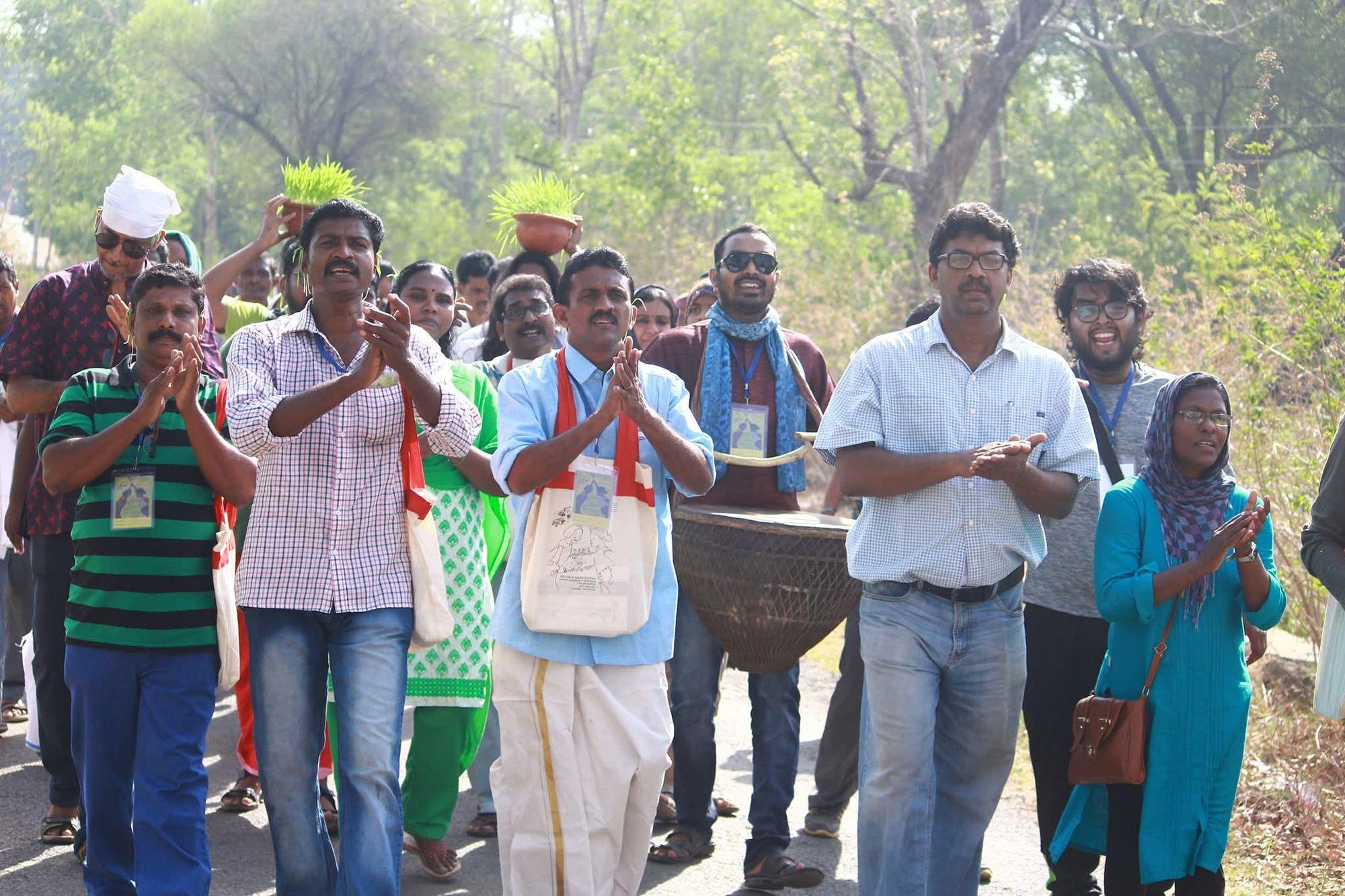
In Kerala, Dynamic Action works with music as a form of collective expression and political participation. Through music workshops, the group creates people's songs that are subsequently performed within social, political and environmental movements. These songs speak to struggles for justice, equality, dignity, human rights, ecological sustainability and democracy. On 5 December, Dynamic Action joins SATRANG Foundation and ZETO Movement in Kochi for Music of Resistance – Janakeeya Ganangal, a programme bringing people's political songs and movements together. Collective singing becomes a way to amplify voices, share experiences and build connections between struggles that may take different forms but are joined by demands for a more just society.
In Nepal, Freedom Studio's Freedom Festival creates another space for collaboration across fields and movements. The residential programme brings together artists, activists, civic and movement leaders, technologists and lawyers for several days of experimentation and co-creation. Around 50 participants take part in the collaborative process, followed by a public showcase that opens the work to a wider gathering. By bringing different forms of knowledge and practice into conversation, the festival makes room for new connections between artistic experimentation, civic engagement and collective action. Learn more →

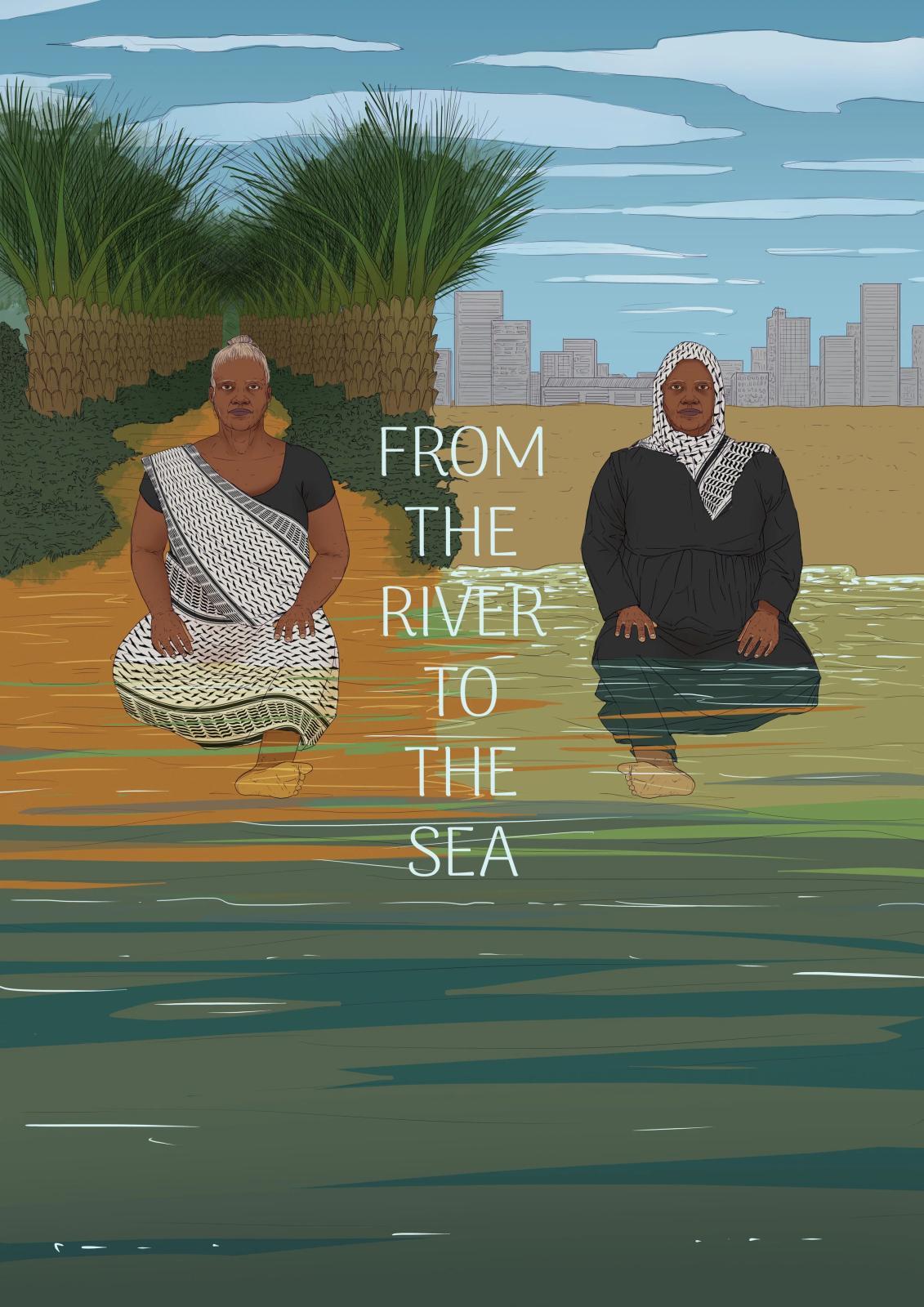
Palestine Cinema Days Around the World also reached the region in early November, with screenings in Malé on 2 November and in Kathmandu from 1 to 2 November. Across these different locations and practices, the relay carries a record of people organising, questioning and making their demands visible. Rights are written and rewritten through these ongoing acts of collective work. Learn more →
You can join in too
Global Artivism Month continues until 10 December. You can join the movement by putting yourself on the map, sharing your art or listing a November event.