The 16 Days of Activism against Gender-Based Violence begin today. Across East Africa, Madagascar and West Asia, artists and cultural initiatives are opening space for voices and identities that face discrimination, while confronting the political, social and environmental conditions that shape everyday life. Their work moves between music, comedy, theatre, poetry, visual art and community organising, and shows how culture can challenge violence, defend dignity and open possibilities for collective action.
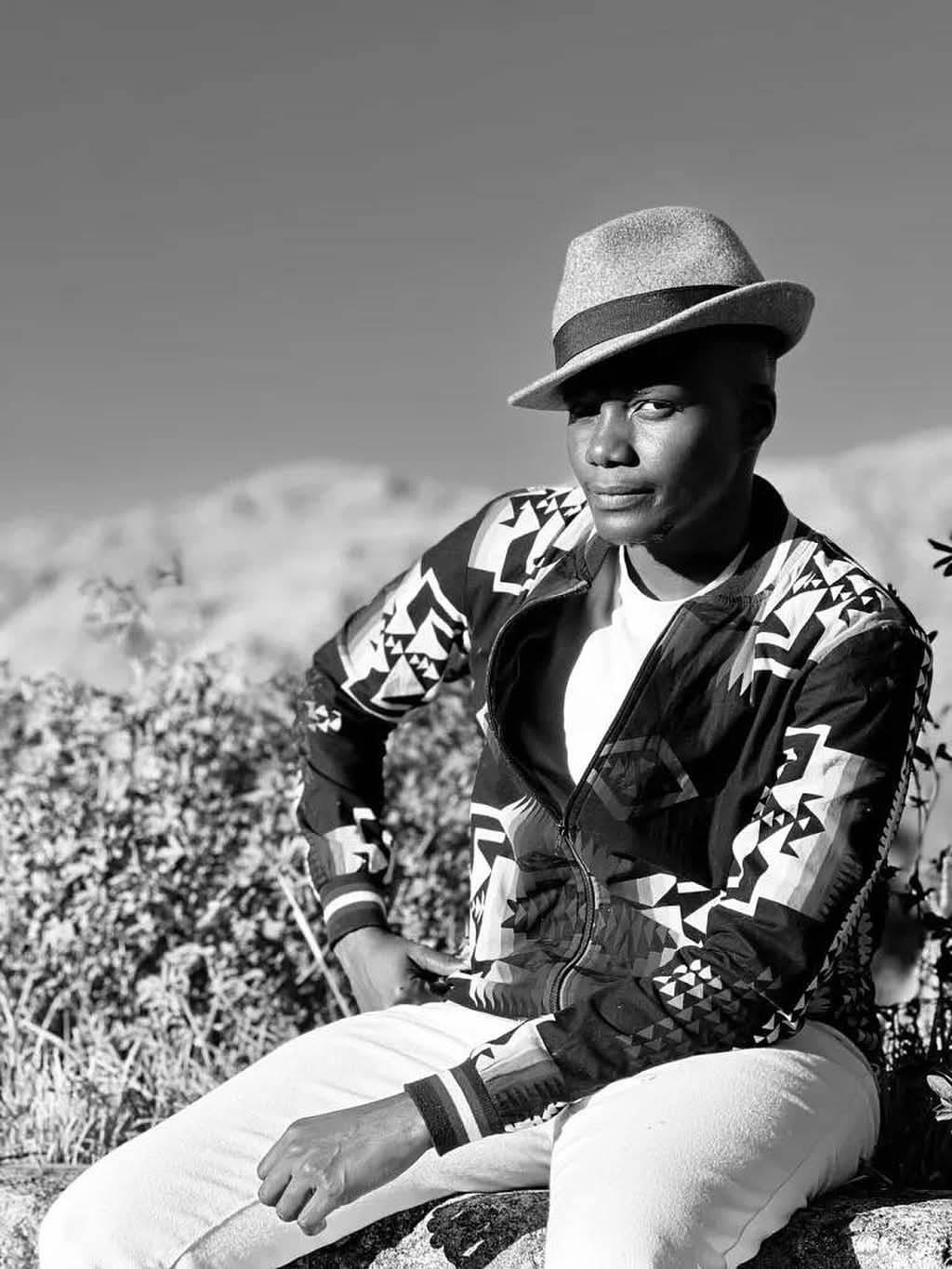
Art Is Resistrans!
In Dar es Salaam, the Tanzania Trans Initiative (TTI), founded by transmasculine artist, filmmaker and musician Mwamba T. Nyanda, brings trans and gender-diverse artists and communities together through ART IS RESISTANCE — Music, Movement and Stories for Trans Liberation in Tanzania. Music, dance, film and storytelling become tools for liberation, healing and social change, and the project celebrates identity while calling for trans freedom, dignity and equality.
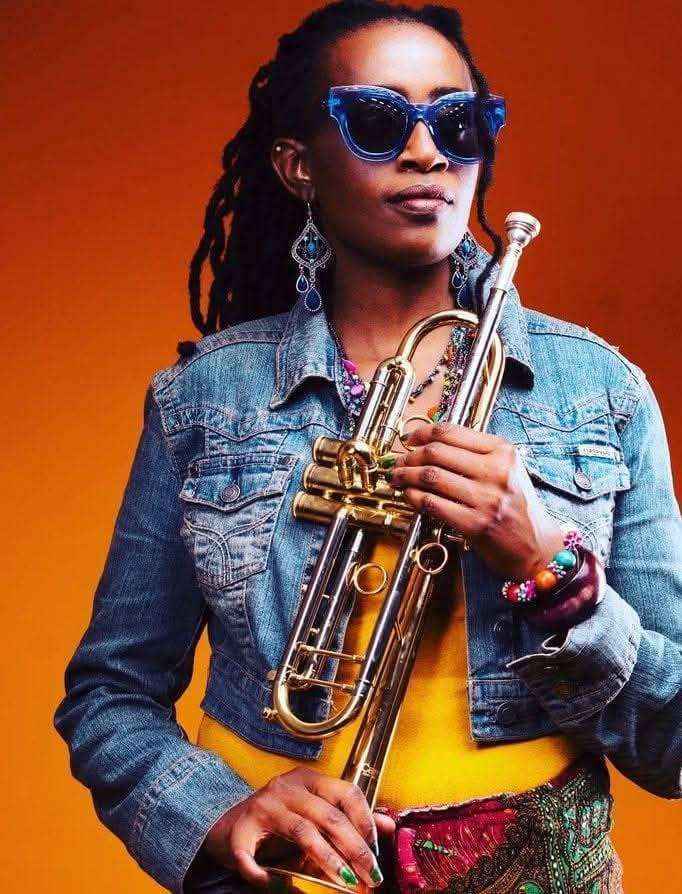
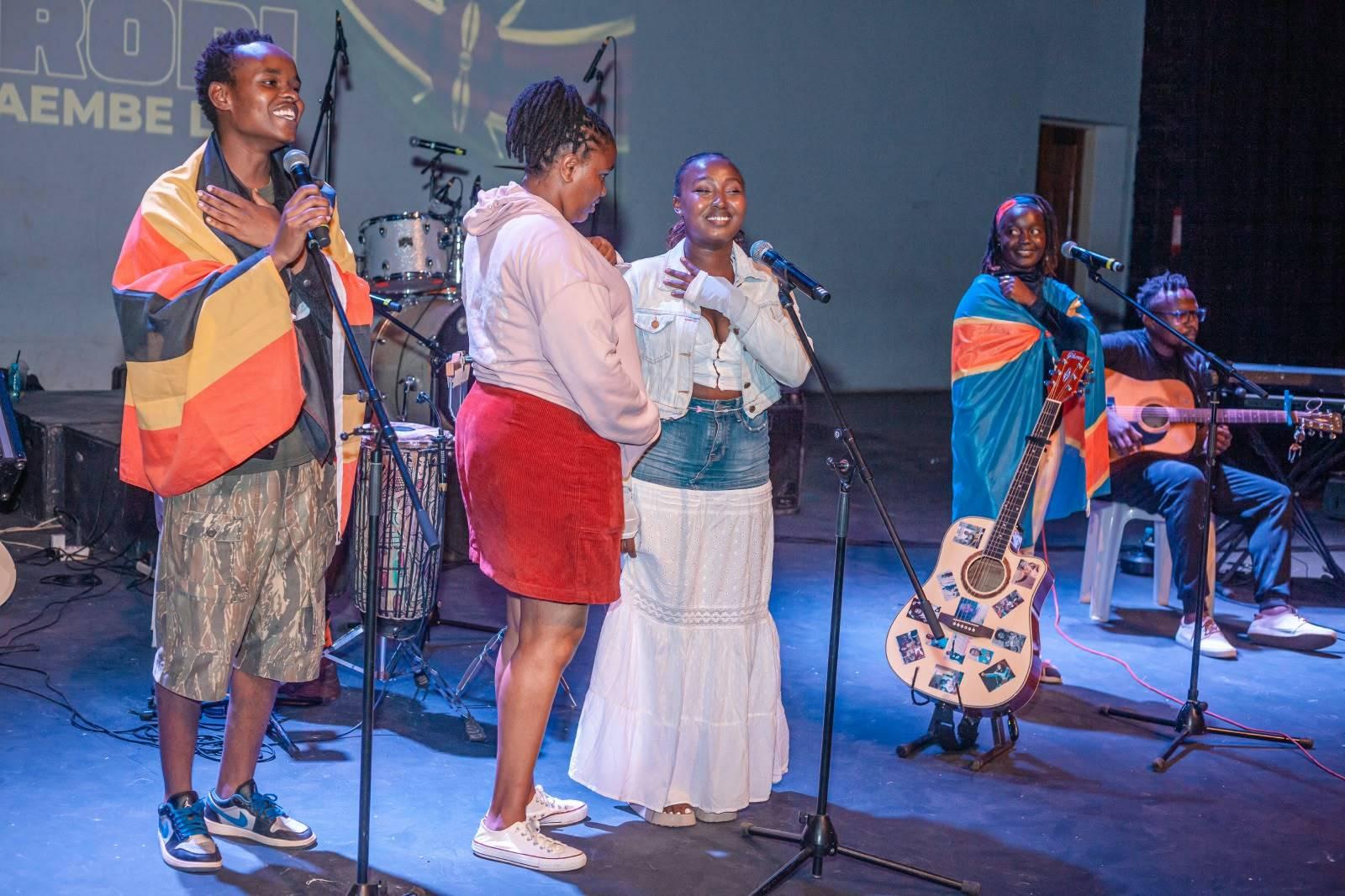
Humour, music and poetry take on violence from other angles. In Madagascar, Impact Comedy, a stand-up show by five Malagasy comedians, uses laughter to raise awareness of technology-facilitated gender-based violence, from online harassment and body shaming to image-based sexual abuse. In Nairobi, the Women in Music Concert Series gives women musicians a stage to perform, connect and find new opportunities. In Malindi, GIZA, a musical-theatre poetry journey by Emmanuel Mwaringa Mae and Elite Stories and Tales, follows a young African who questions the beliefs, systems and inherited narratives that shaped his identity. Through poetry, music, movement and cultural memory, it presents reclaiming one's story as an act of healing, resistance and freedom. Elite Stories and Tales works more broadly with African storytelling, cultural preservation and healing through art.

Dignity Is the Condition for Life
Several Kenyan contributions take up governance, representation and economic justice. The Unseen Mirror of Society, a series of eight digital posters by Mwandaa and CRECO Kenya, reflects on contemporary Kenyan society through digital democracy, gender-based violence and information disorder. Benard Mwandaa, who works in communication, graphic design and photojournalism, brings the same concern for human dignity, democracy and good governance to his practice.
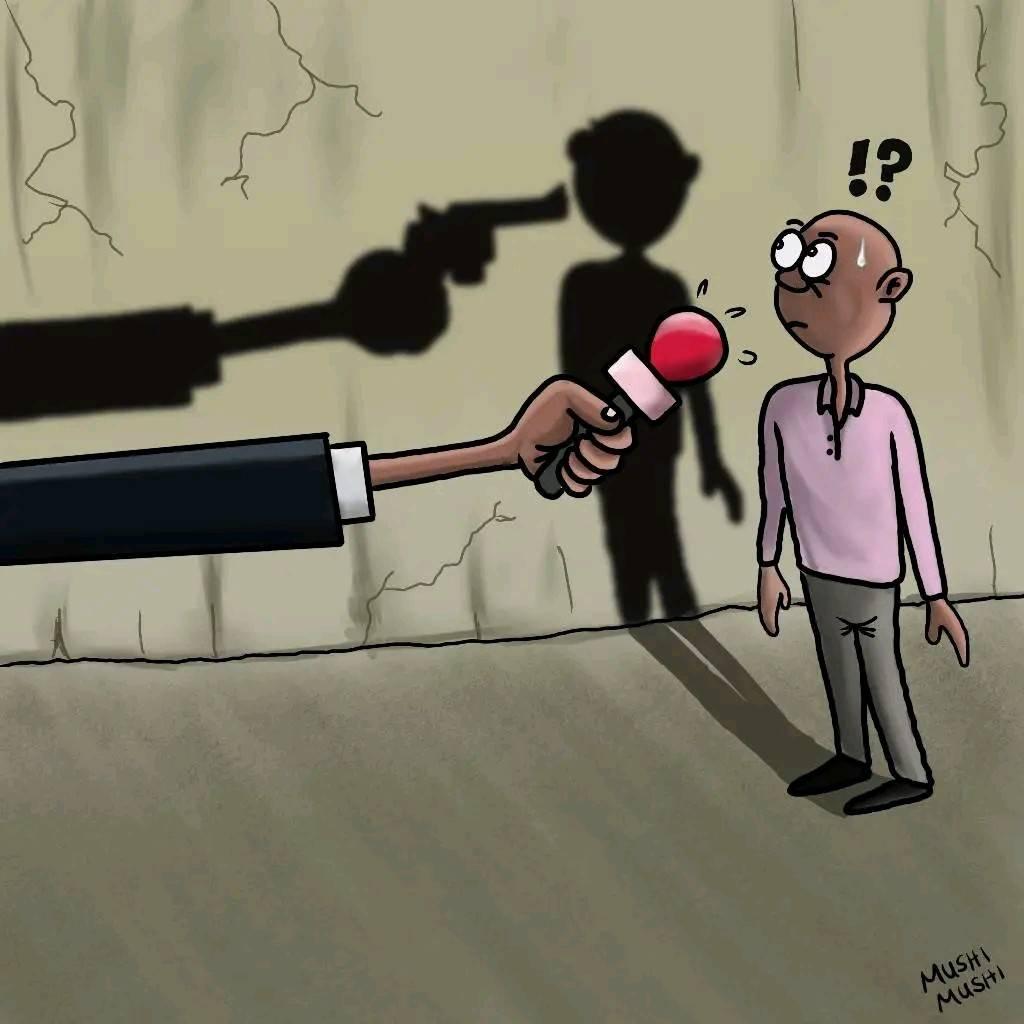
In Tanzania, editorial cartoonist Mushi Mushi's Civil Participation and Democratic Literacy confronts the intimidation and fear that can silence citizens and journalists, and defends freedom of expression, independent media and the right to take part in democratic life. In Dar es Salaam, the creative hub Urithi Arts supports empowerment, free expression and environmental awareness through inclusive art education, public art, exhibitions and community-led initiatives.
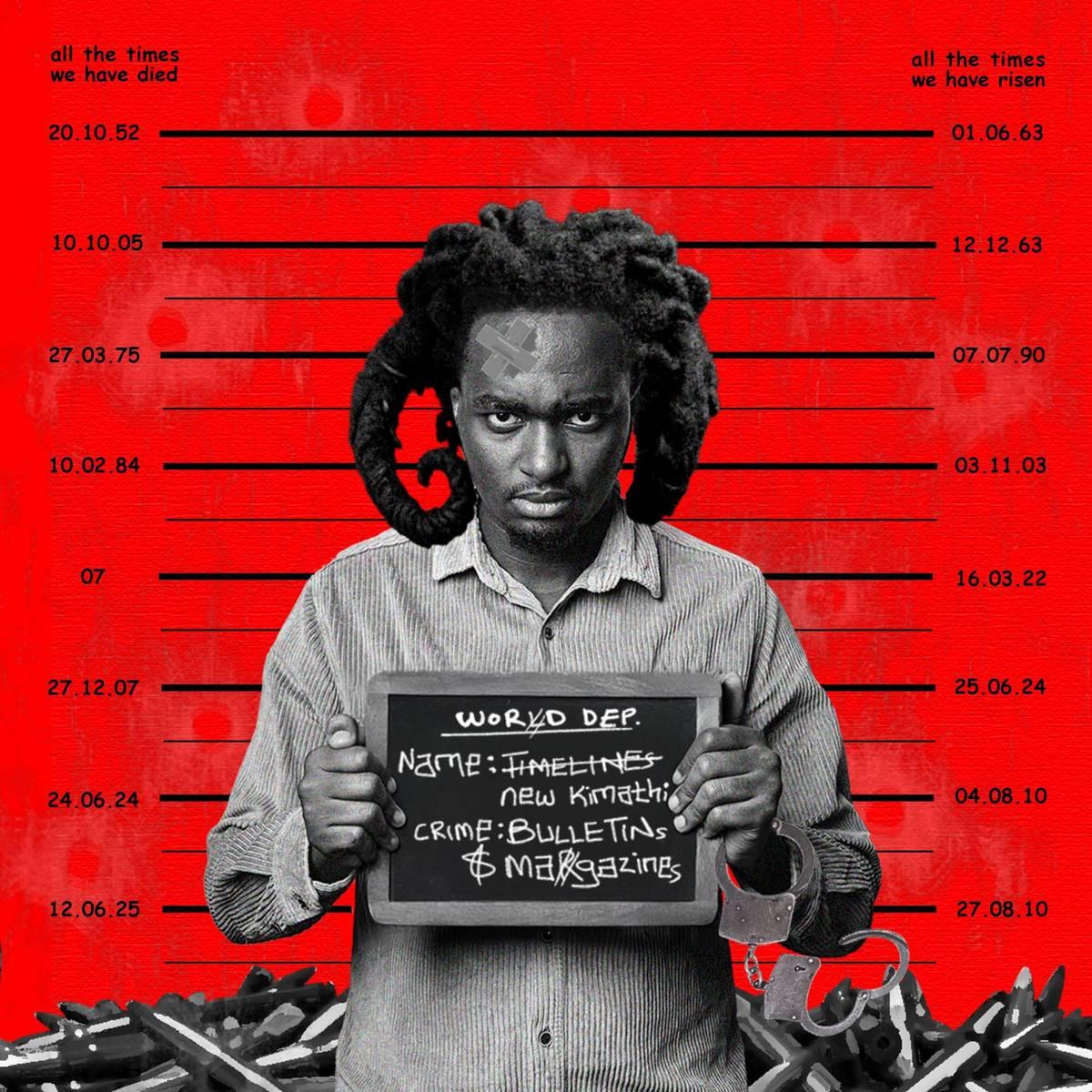
Music and poetry carry the same concerns into public life. In Meru County, Monaja's Mwiikwa na Maira, set to Arif Cooper's Relationship Riddim, protests poor county leadership and its toll, from environmental damage to impoverishment. Monaja's wider practice draws on history and social commentary to decolonise and rehumanise African life. In Nairobi, Peter Ouya's Africa looks to young people taking the reins of the continent, Free my people free by Liberating Souls Music calls for freedom from oppression, capitalism and imperialism, and Sauti moja by Brack Mustafa and EmmasOnePoet, powered by Kwacha Afrika and Forum Civ, speaks to good governance and community engagement. In Nakuru, Timelines Poetry's debut album Bulletins & Magazines, made with sound engineer Two Tea, explores identity and social justice, and R!C's SKYROCKETING looks at how different generations understand the rising cost of living.
Weaving Worlds for Ecosocial Transformation
In Madagascar, VETIV'ART works with women and young people to build a sustainable craft sector around vetiver, a natural fibre used in weaving and interior decoration, supporting livelihoods while keeping Malagasy craft knowledge alive. Its hand-woven piece The Vetiver Nest, made with TS'ART FIBRE, evokes shelter built patiently, fibre by fibre. On 26 November, VETIV'ART hosts Vetiver — From Earth to Creation, a free open day at Villa Samoelina in Ambatoroka, Antananarivo, where visitors can explore the material, watch demonstrations and try making their own pieces. The event is supported by the International Organisation of La Francophonie.
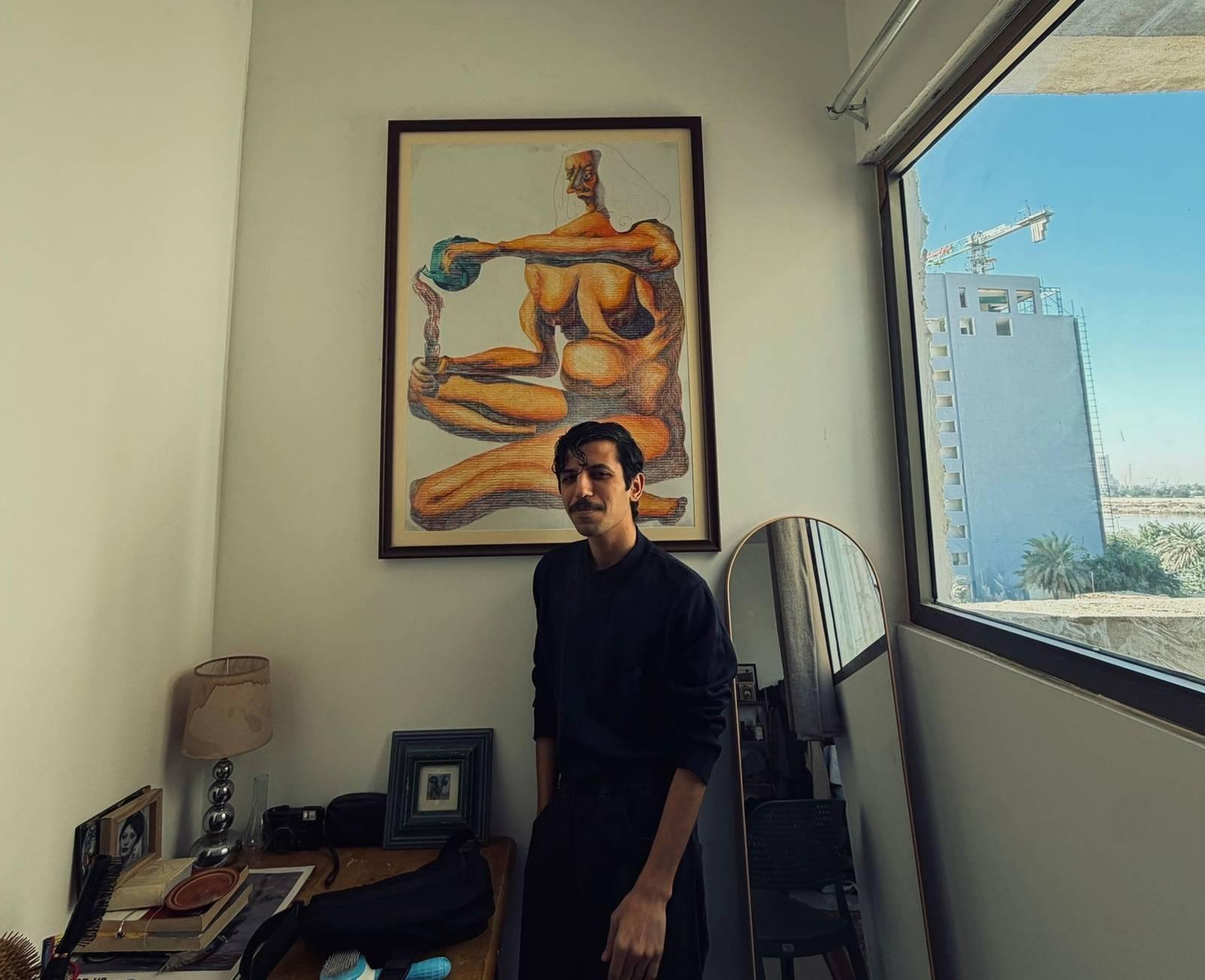
Land and collective survival also drive Ard Al-Hima, a confederation of nature conservation organisations whose founding partners come from Jordan, Lebanon, Palestine and Syria. It revives the Hima tradition to sustain livelihoods, build resilience and contribute to lasting peace. In Iraq, visual artist and animator Hussein Adel's Before We Disappear follows a solitary figure through marshlands threatened by drought, within a practice that treats art as a living archive against erasure and explores memory, existence and the relationship between humans and nature. Theatre student, actor, director and scriptwriter Qasim Ahmed Mandeel turns to stage and screen to raise environmental awareness and encourage children and young people to protect nature.
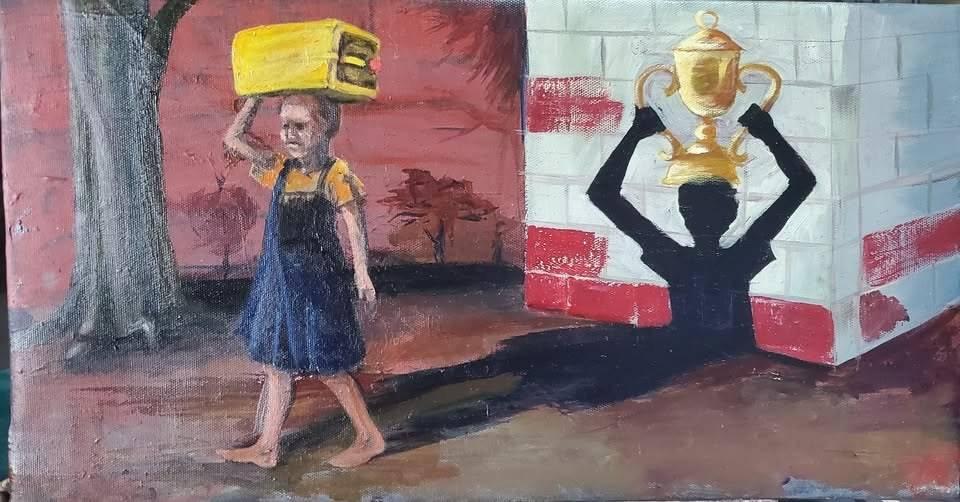
In Tanzania, Fred Halla's Tech Fear reflects on the anxieties that come with technological change, and on how each new development can seem to threaten what came before. In Saudi Arabia, the ALIMENTERRE Festival brings its focus on food systems to Jeddah on 23 and 26 November, within an international programme of documentary film events and exchanges.
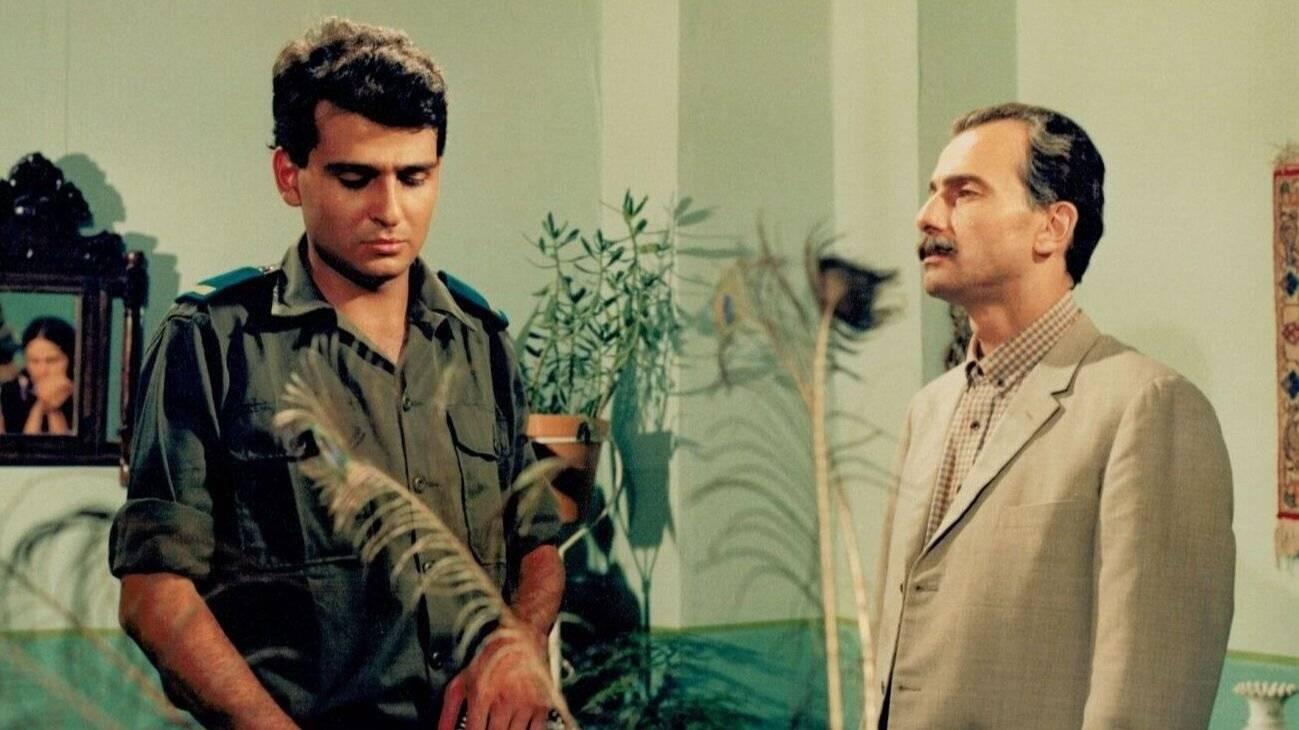
Palestine Cinema Days Around the World also lists screenings across the region.
You can join in too
Global Artivism Month continues until 10 December. You can join the movement by putting yourself on the map, sharing your art or listing a November event.