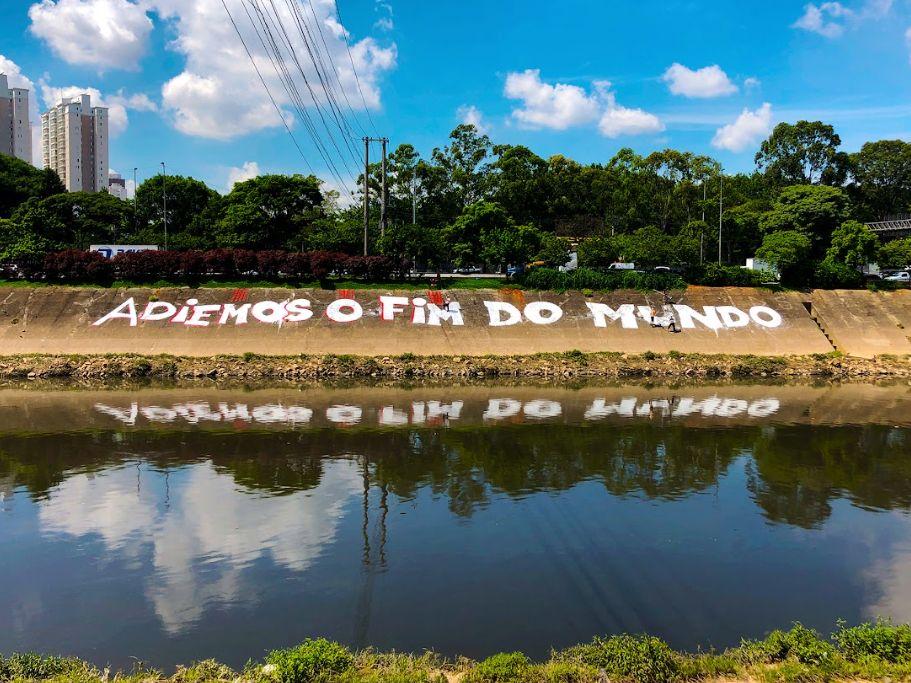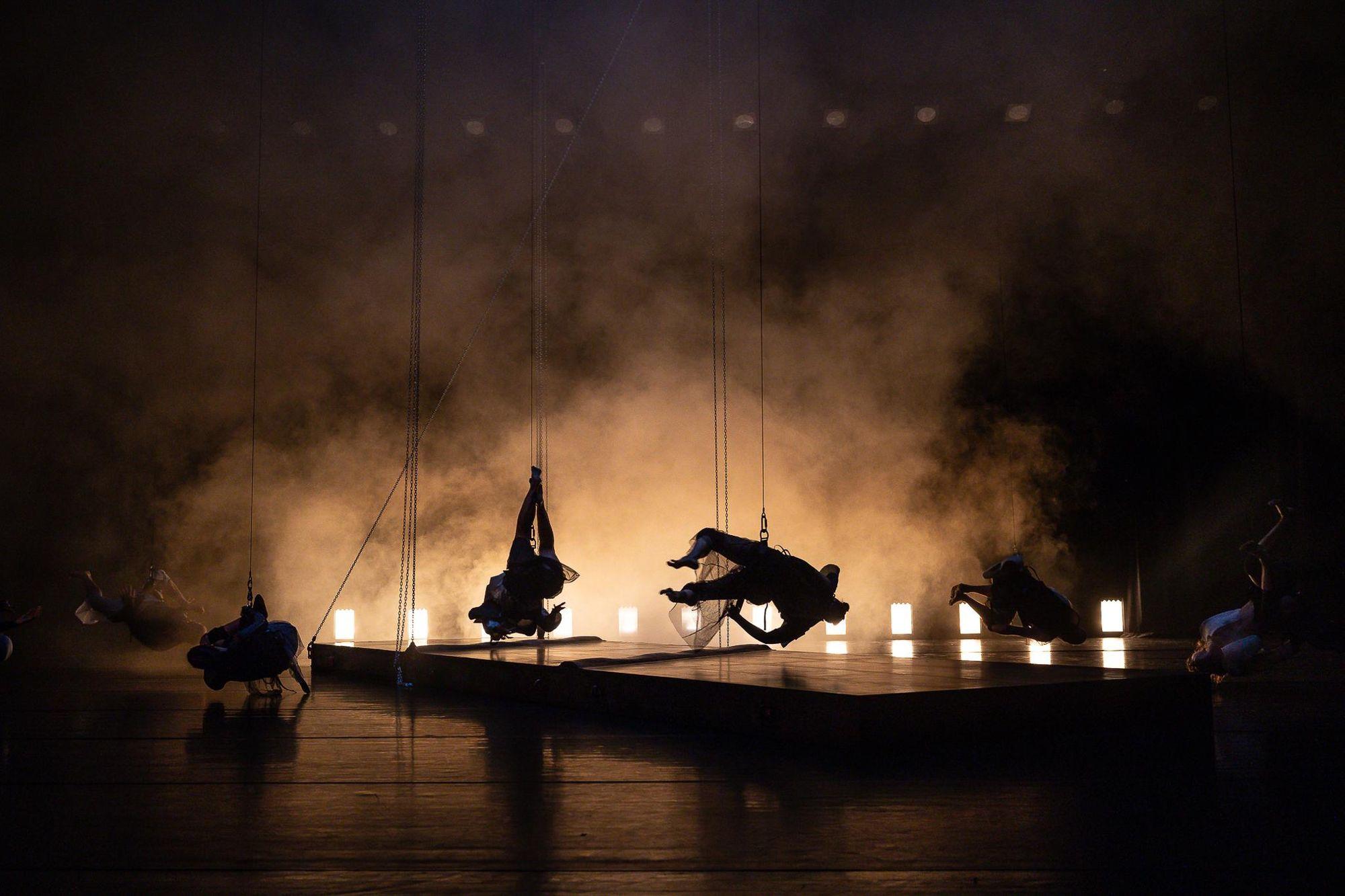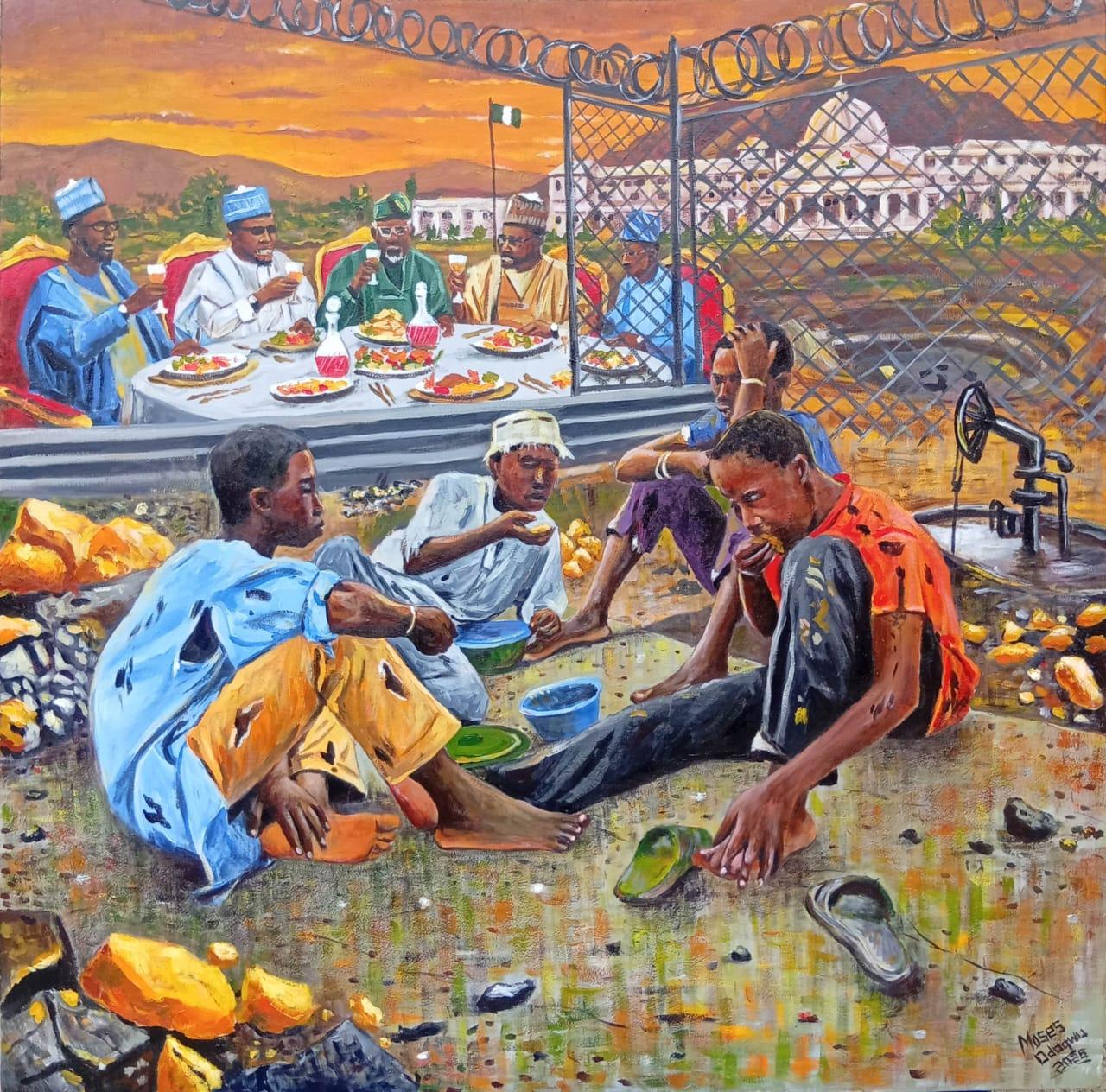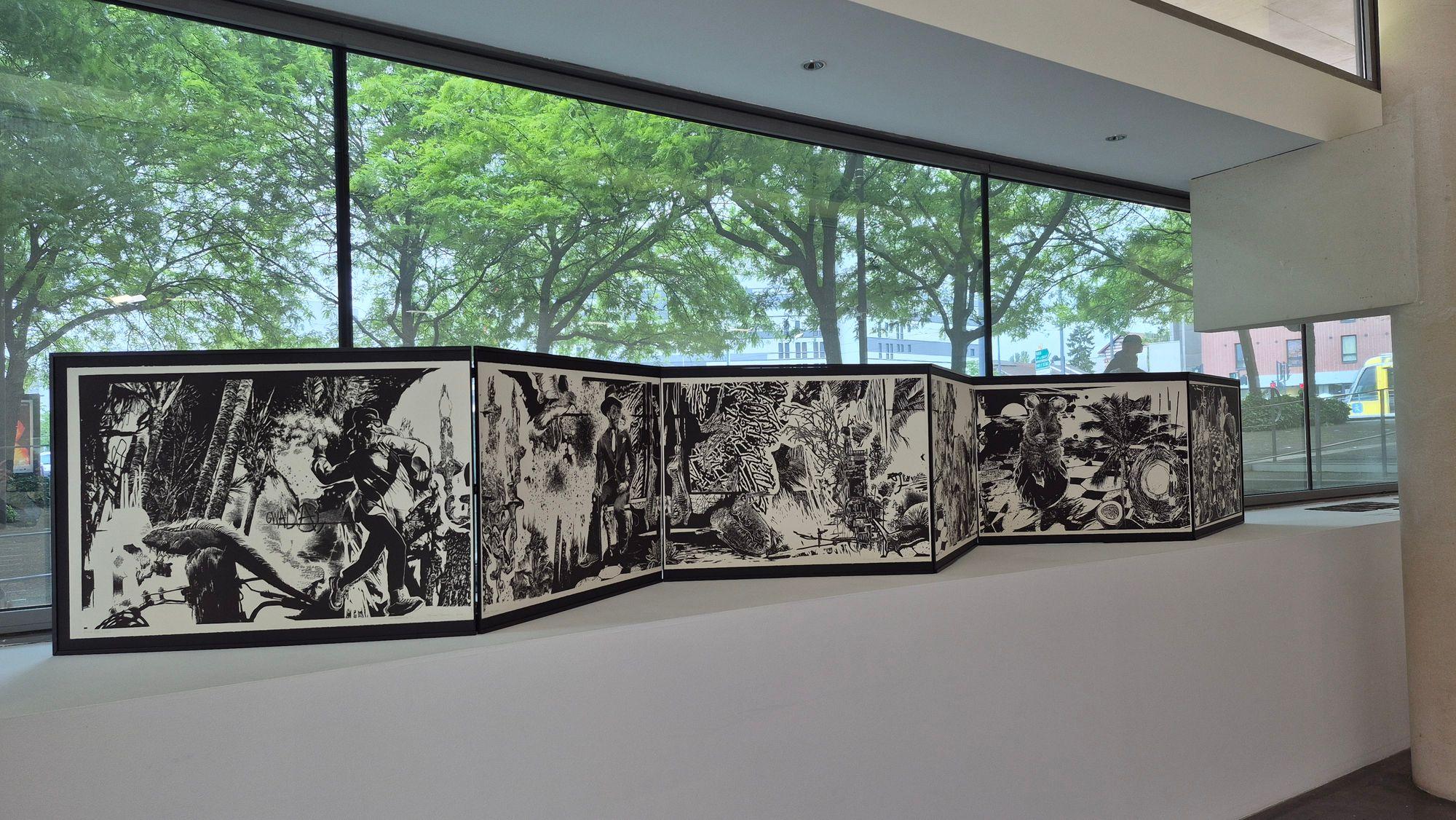
Territories are connected by ecological processes that extend far beyond their geographical boundaries. The cryosphere, the oceans and atmospheric systems form an intricate network through which environmental transformations travel, redistribute and accumulate. The retreat of glaciers in Patagonia, changes in ocean circulation and rising sea levels across the Caribbean are different expressions of a climate crisis whose consequences cannot be understood in isolation. These connections also raise questions about how societies organize their relationships with land, resources and one another.
In Argentina, as Javier Milei's government enters its final year, austerity, deregulation and the expansion of corporate investment have intensified struggles over public services, labour rights and territorial sovereignty. From trade unions and social movements to communities organizing around the devastating fires in Patagonia, collective action continues to shape the defense of shared resources and the conditions for life. Across the region, these struggles resonate with communities confronting environmental degradation, coastal vulnerability and the uncertainties of a changing climate. The projects in today's dispatch explore how art and culture can sustain collective knowledge, ecological responsibility and the possibility of imagining other futures. From the care of forests and coastlines to the preservation of cultural memory, from the questioning of financial systems to the creation of spaces for young people, these practices remind us that the future of a territory is inseparable from the people who care for it.
Learning to care actively for the living world
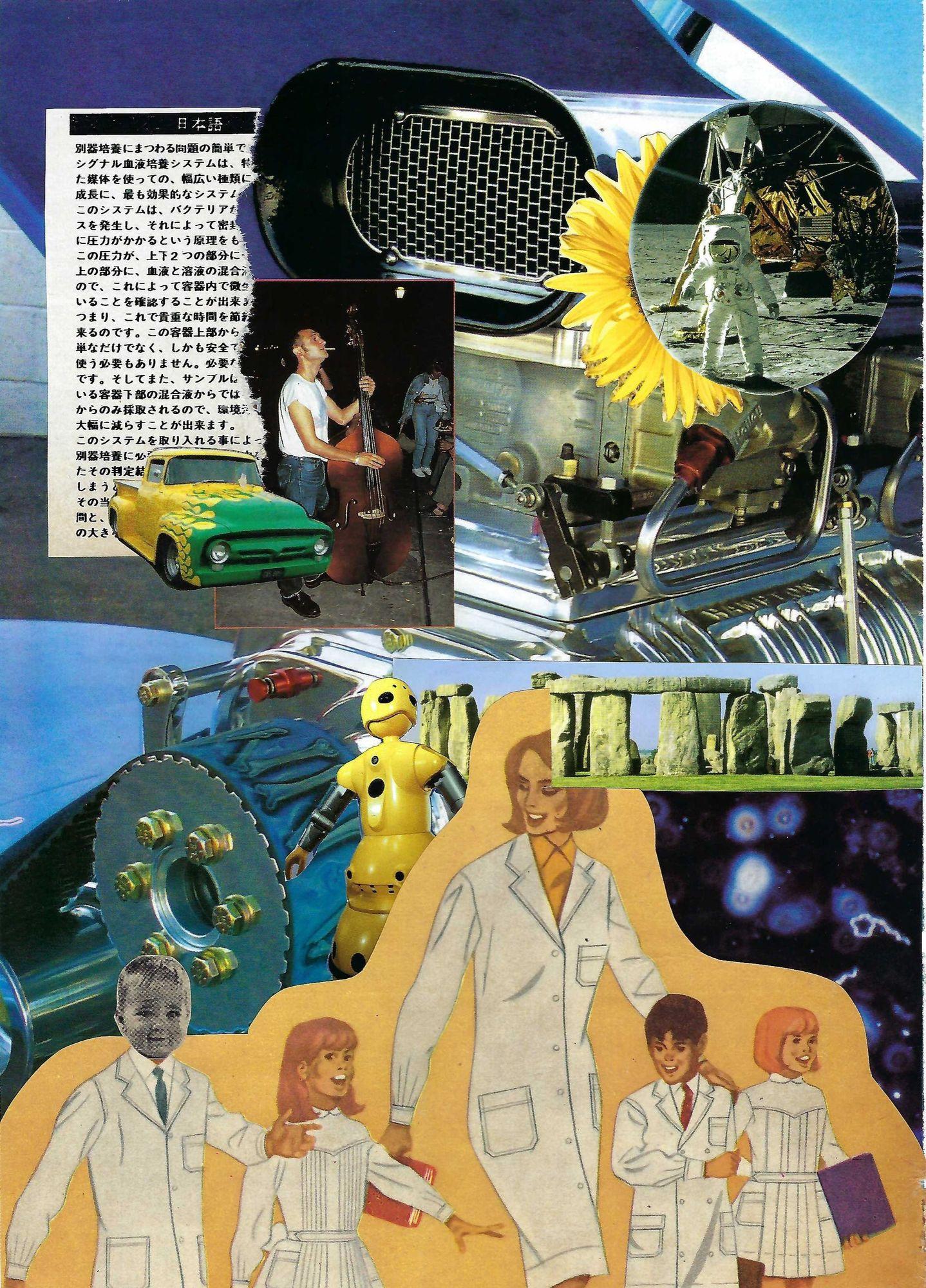
In Bahía Blanca, environmental professional and visual artist Lihuel Andrés Molina invites us to reconsider how knowledge and ecological responsibility are passed between generations. Featured as Sustainable Ways of Living: Communal Education in the Anthropocene as a Current Technology to Expand Horizons brings together analog photography and paper collage to explore communal education as a living technology.
Molina's deliberate, tactile approach interrupts habitual ways of seeing and invites a slower relationship with the world around us. The project proposes that shared knowledge, ecological stewardship and collective learning are essential resources for navigating the environmental challenges of the present. Learn more →
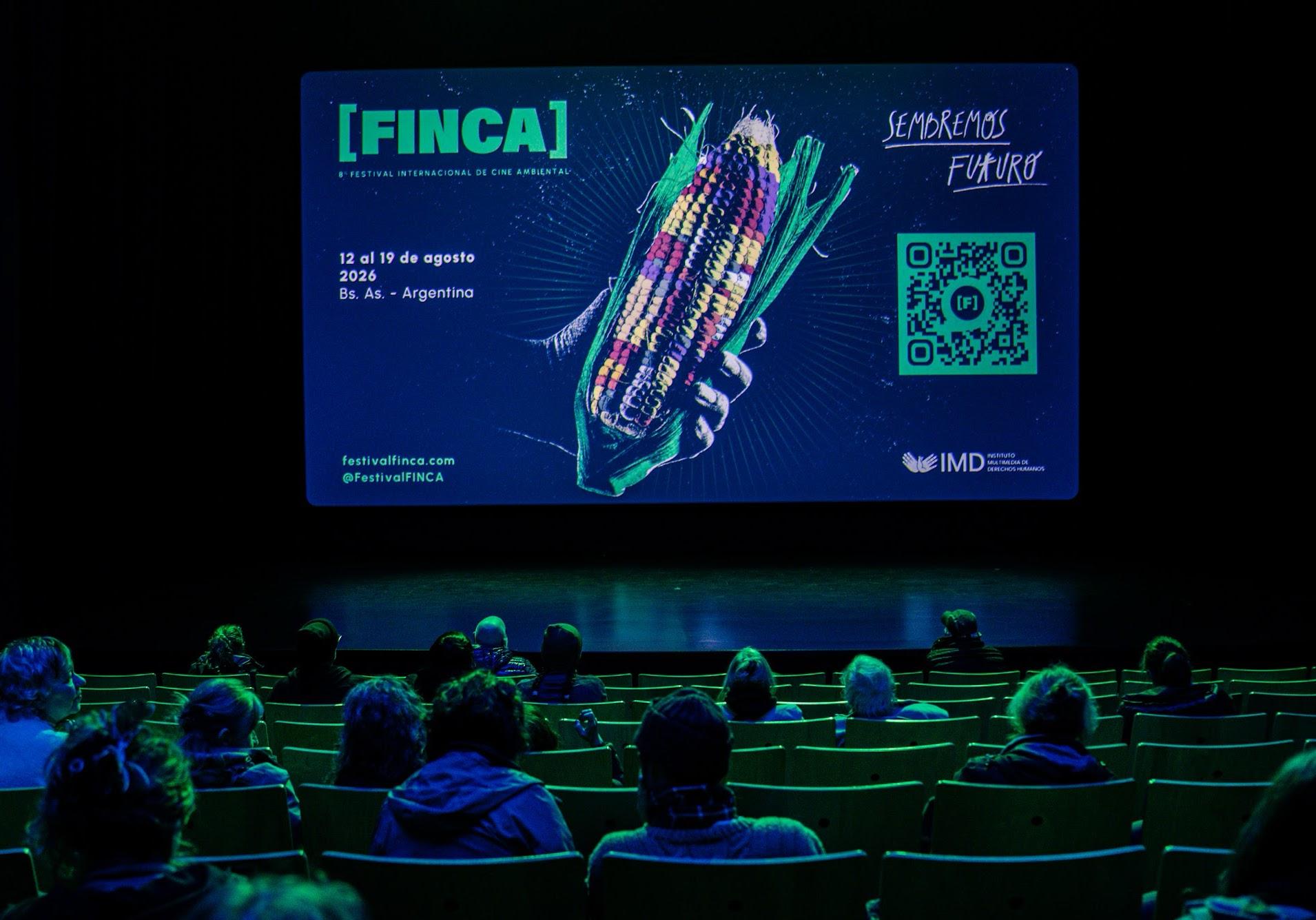
This concern with the relationship between knowledge and social transformation also informs the work of IMD (Instituto Multimedia DerHumALC) in Buenos Aires. Through its two major cinematic platforms, the International Human Rights Film Festival (FICDH) and the International Environmental Film Festival (FINCA), IMD uses moving images to bring questions of human dignity, environmental justice and social responsibility into public conversation. Its screenings and cultural programming make cinema a space for encountering realities that demand collective attention. Learn more →
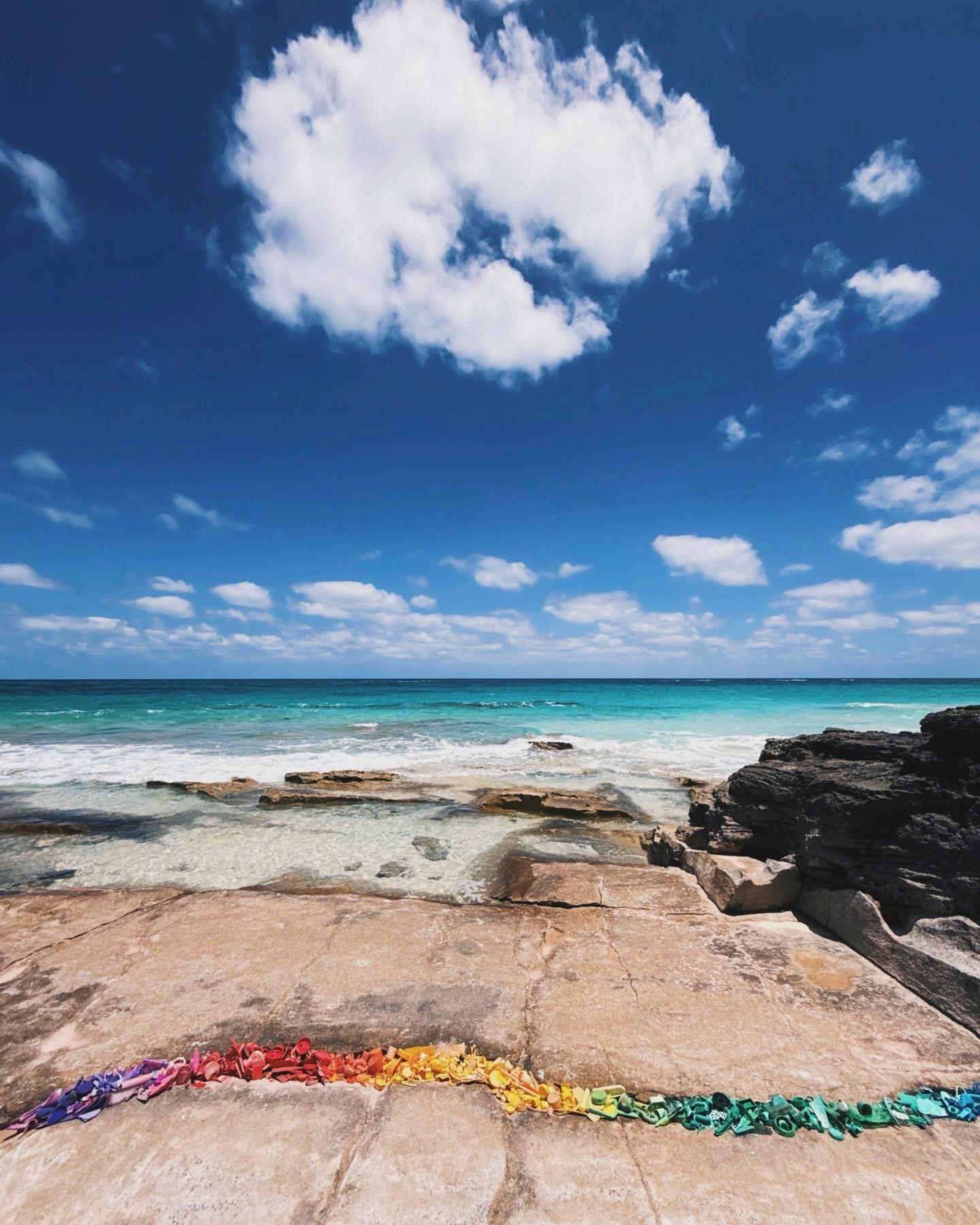
Photographer Meredith Andrews, based in Bermuda, examines the lasting presence of human-made waste in marine environments. Her work Interruption, part of the ongoing photographic series Unnatural History, incorporates ocean plastic collected from the island's beaches over many years. By placing discarded materials back into visual dialogue with the shoreline, Andrews challenges the normalization of pollution and asks what happens when synthetic materials become an almost permanent feature of the natural landscape. Learn more →
The economy of land and the politics of debt
The question of who controls resources and who bears the consequences of economic decisions takes another form in Eyeing the Debt (2024), a collaborative project by Copenhagen-based mixed-media photographer Jairo Alvarez and Argentine researcher Juan Pablo Bohoslavsky, affiliated with CONICET and the National University of Río Negro.
Connecting Viedma, in Argentine Patagonia, with Copenhagen, the project translates international finance into human-scale visual metaphors. Through conceptual photography, works such as Debt Burden, House of Cards, Holding Futures and Save or Go Bust make visible the ways financial structures shape everyday life, reinforce inequality and constrain collective possibilities.
By connecting a debtor nation in the Global South with a financial centre in the Global North, Alvarez and Bohoslavsky bring international debt into conversations about human rights, environmental justice and economic sovereignty. Their work reminds us that financial arrangements are political constructions, with consequences that reach far beyond balance sheets. Learn more →

Poet and performing artist Myka (Ameka Cognet) approaches these contradictions through spoken word. Her 2026 piece The Earth Does Not Owe Us Silence, created in Roseau, Dominica, unfolds across four movements, moving from social satire and personal testimony towards moral confrontation and collective mobilization. Grounded in the realities of Caribbean communities, the work challenges a world capable of investing in technological expansion while leaving basic human needs unmet. Drawing on Dominica's mountains, rivers and communities recovering from climate disasters, Myka insists that resilience must never become an excuse for neglect. Her poetry becomes an alarm and an invitation to reconsider the responsibilities we hold towards one another and the living world. Learn more →
Streets are the memory of collective expression
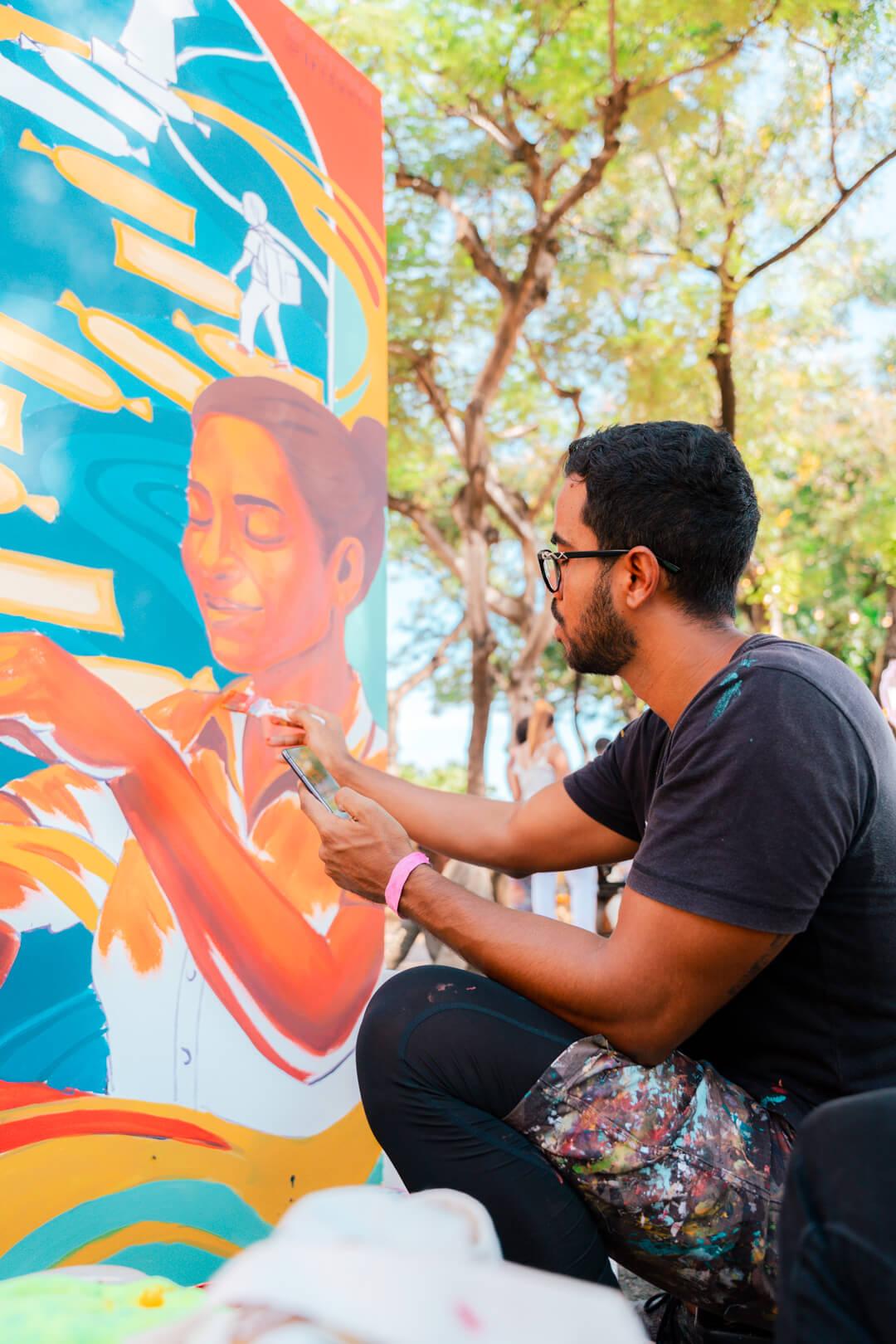
CAYE 2026 · Ciudad Nueva Creativa, organized by Festival CAYE (Grupo EPREI), transforms the historic neighbourhood of Ciudad Nueva in Santo Domingo into an open-air cultural laboratory. Through music, contemporary dance, street theatre, public art, workshops, community conversations and neighbourhood walks, the two-day gathering activates public space as a place for creative exchange and civic connection. The initiative proposes the neighbourhood itself as a shared cultural resource, where artistic practice can strengthen relationships between residents and their urban environment. Learn more →
A different form of collective memory emerges through Carnival Film Screenings in Port of Spain, Trinidad and Tobago. The initiative works with documentaries, narrative films and archival productions to preserve and circulate the histories of Caribbean Carnival. Looking beyond its annual spectacle, it brings attention to the cultural knowledge, craftsmanship, social histories and artistic traditions embedded in Carnival. By supporting local and regional filmmakers, it creates connections between generations and safeguards a living cultural heritage. Learn more →
Gathering, listening and rehearsing: everything is connected
In Uruguay, two initiatives in Montevideo and Ciudad del Plata demonstrate how gathering and dialogue can become starting points for territorial and social transformation.
On November 3, the Centro Cultural de España in Montevideo hosted Climate Café · Mes Global del Artivismo: Arte · Territorio · Acción Climática, brought together by Leonina Arismendi, Climate Reality Uruguay (Climate Latino), the Centro Cultural de España and grassroots movement No a +Colonia. The gathering opened a space to explore how art and culture can contribute to the defense of local territories and the construction of more connected and environmentally responsible communities. Learn more →
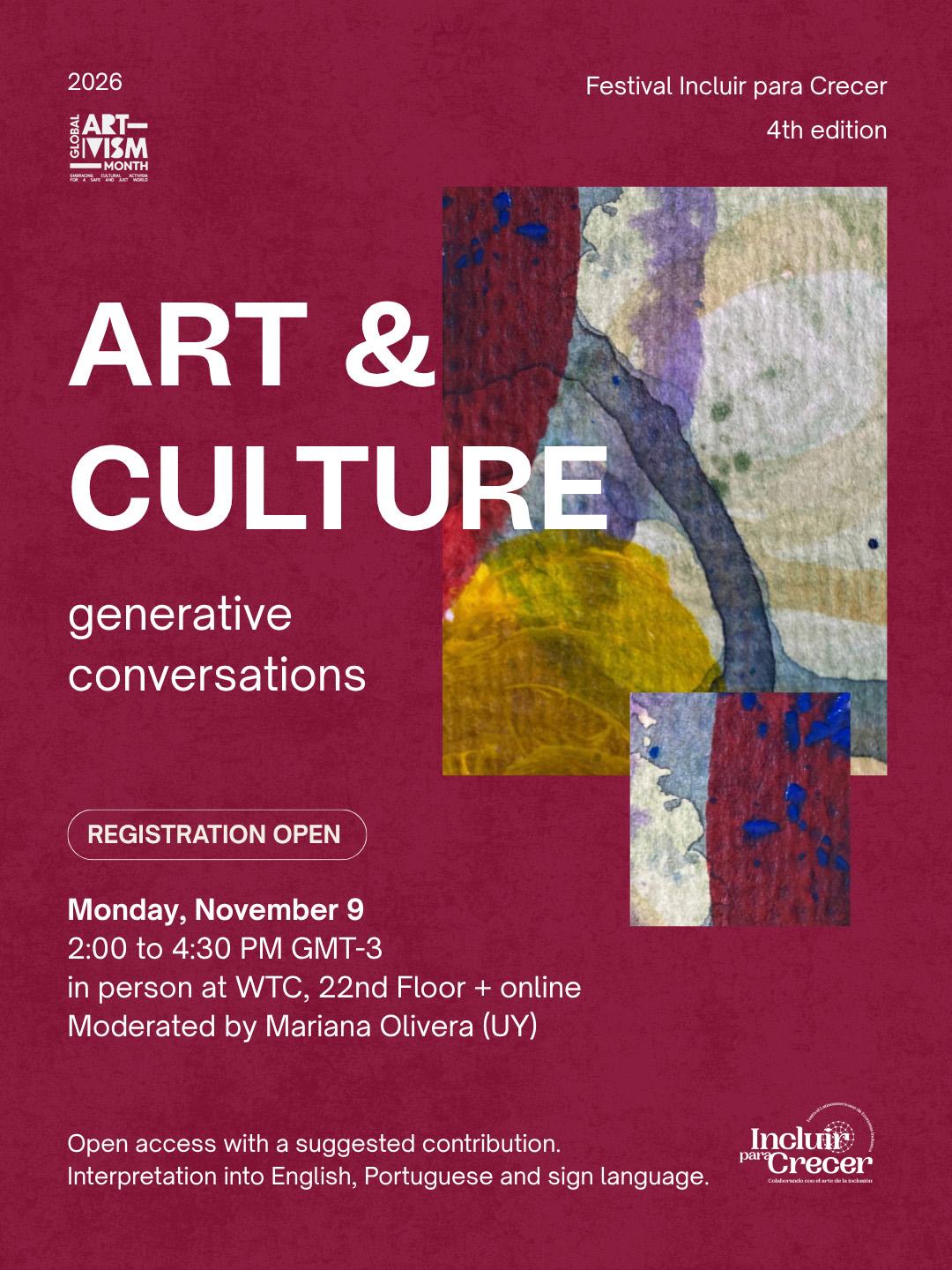
On November 9, Art & Culture – Generative Conversation, organized by Incluir para Crecer and the Festival of Inclusive Economy – 4D Lab, continued this exchange through a hybrid gathering in Montevideo and online. The conversation explored the role of cultural practice in systemic change while creating space for the collaborative development of Festival Artivista 2027. Learn more →
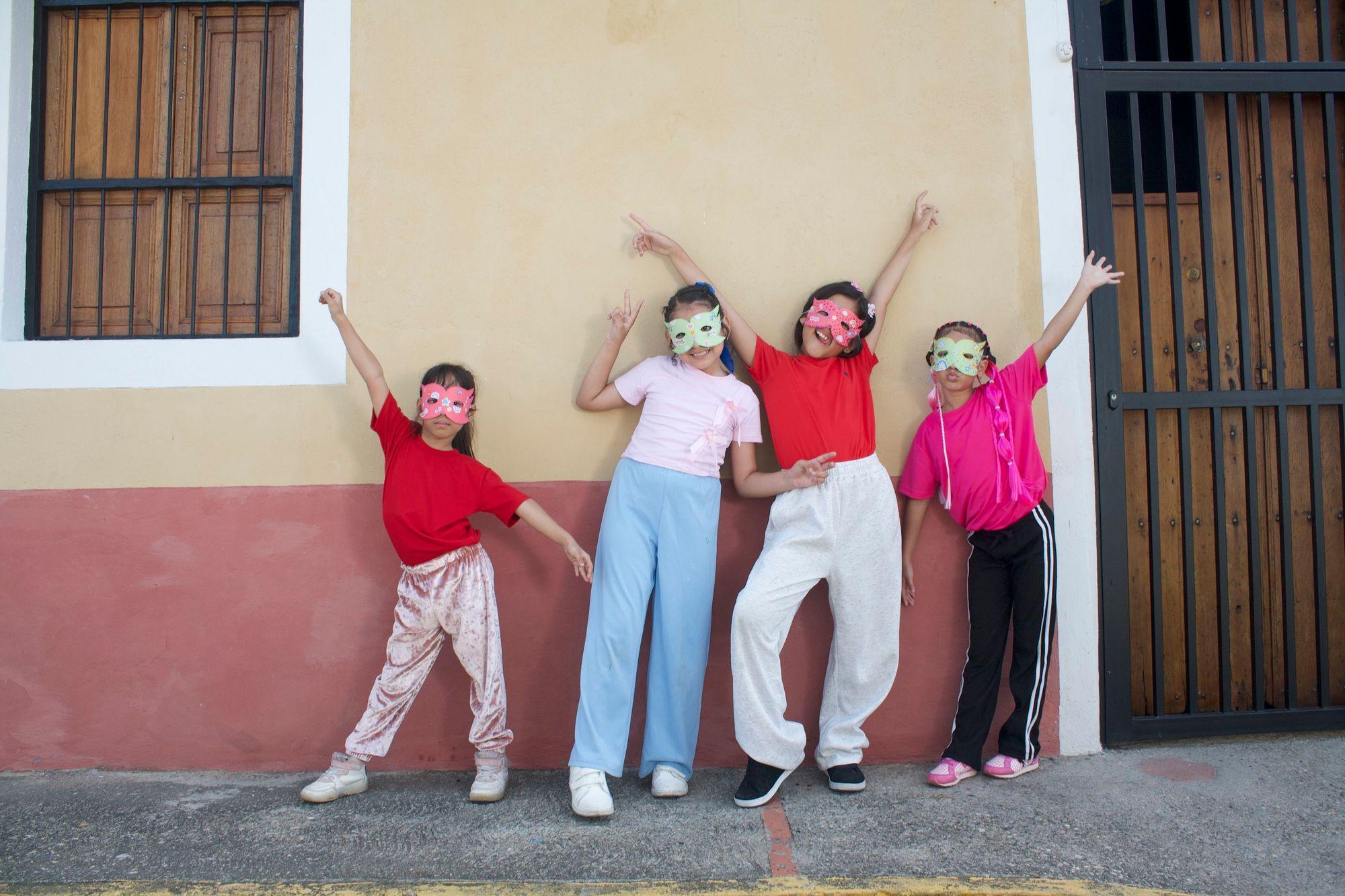
The Escuela de Teatro Musical de Petare (ETMP) has been working in Caracas, Venezuela, since 2011 to make artistic education accessible to children and young people. Situated in a community of more than 600,000 residents, the school uses musical theatre, original productions and sustained artistic training to foster creative expression, conflict resolution and peaceful coexistence. Recognized by the Moleskine Foundation's Creativity Pioneers Award and the Venezuelan Association of Theater Critics, ETMP demonstrates the importance of creating spaces where young people can develop their voices and participate in collective cultural life. Learn more →
From the Sea to the Andes, Palestine Across the Continent
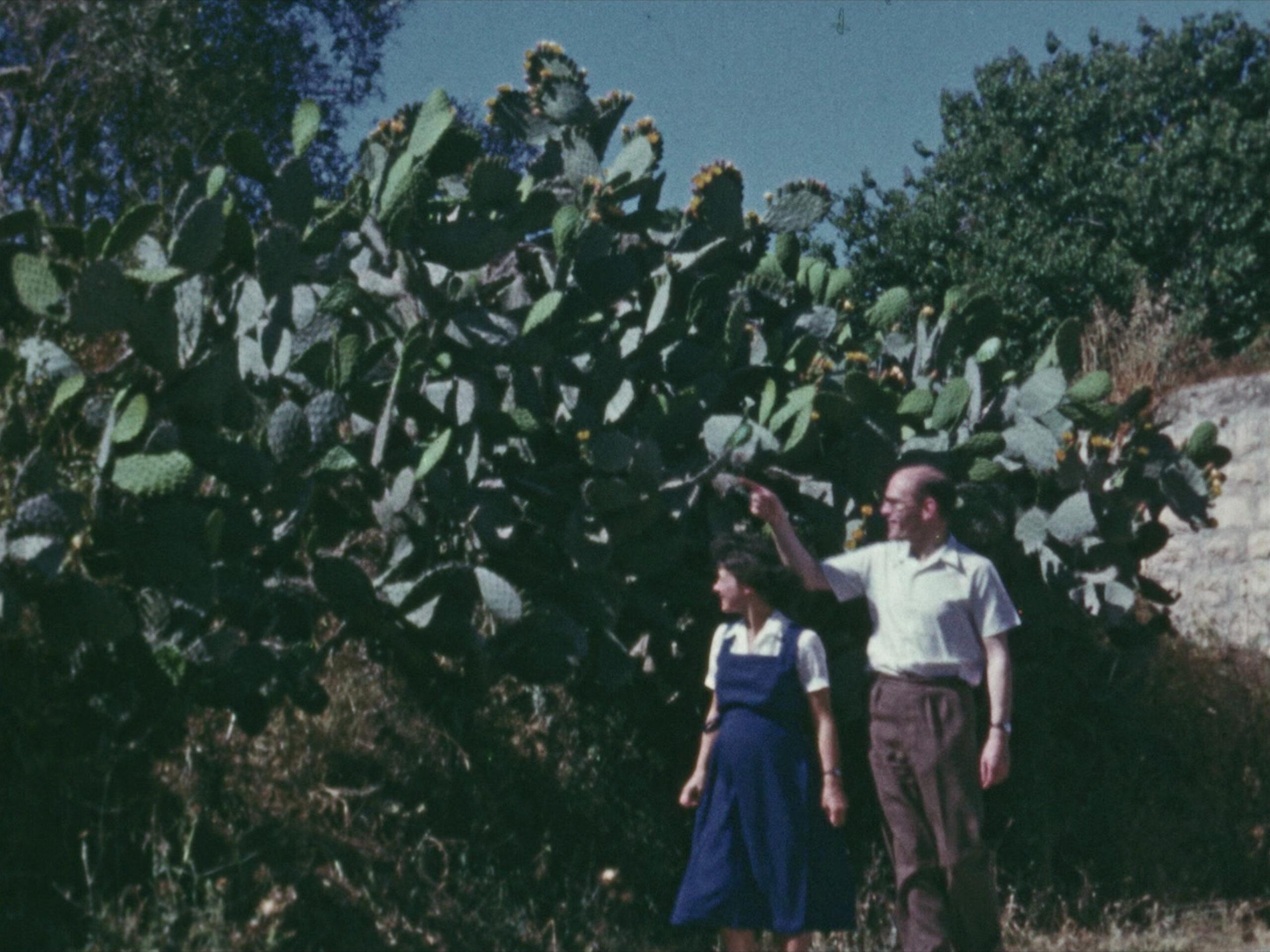
Palestinian stories find audiences across South America through Palestine Cinema Days Around the World, organized by Filmlab: Palestine. Screenings in Asunción, Paraguay, and Arequipa, Ica and Lima, Peru, bring Palestinian histories, voices and experiences into cinemas across the continent. South America stands with Palestine. Learn more →
You can join in too
You can join in too. Put yourself on the map, share your art or list your November event. Free practical guides are available on the Global Artivism website. The Global Artivism Convening is taking place from 7 to 9 December. Hosting something this November? Put it on the map.