Across this stretch of the world, artists and collectives are asking who gets to feel safe, who gets to call a place home, who manages resources and whose stories shape lived experience. From community kitchens and Indigenous cinema to music, photography, theatre and textile work, today's initiatives confront the structures that shape everyday life. Across Ghana, Senegal, Sierra Leone, France, Spain, Portugal and the United Kingdom, culture becomes a way to challenge exclusion, reclaim visibility and create spaces where different communities can address their own paradigms and futures.
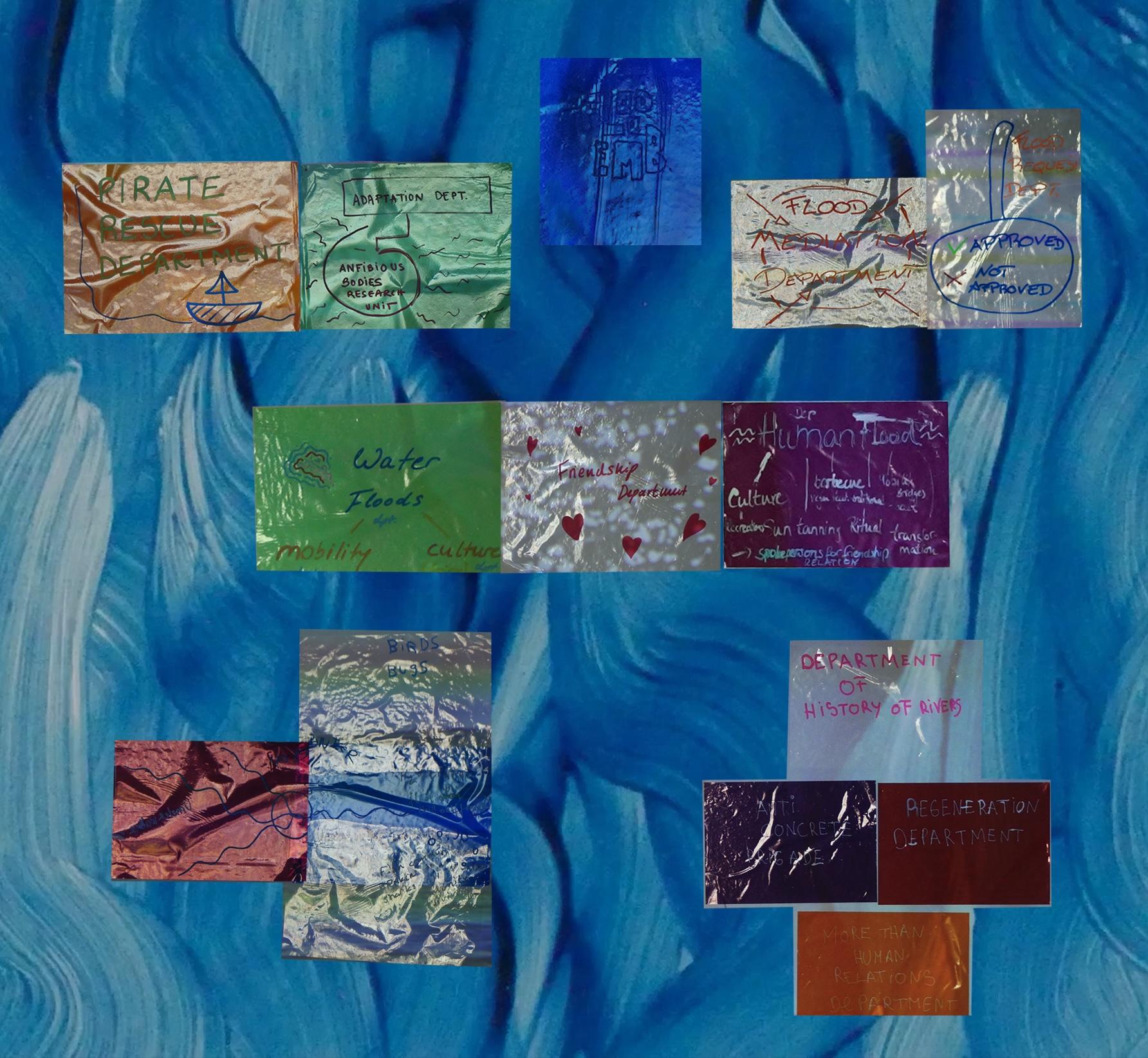
Beyond the Lines
In Tema, Gandor Collins weaves Black Fig from discarded textiles, acrylic paint and leather remnants, tracing how the world's waste lands on communities in the Global South and connecting climate vulnerability with economic inequality. In Dakar, Ubuntu Edutainment released BORDERLESS AFRICA with Jahrista, Meoly Nazu, Bruce M Shakur and Ndéya for African Liberation Week. Drawing on the Kurukan Fuga charter, the song calls for an end to colonial divisions and imagines a continent built around shared prosperity and a common currency. Learn more →
In London, The Seeds We Carry Forward, by The Seed House Collective with artists Chinakwe and Joshua Donkor, runs until November 15. The project examines the resources and barriers informing careers for Black and ethnically diverse artists through open talks, workshops and anonymous written contributions.
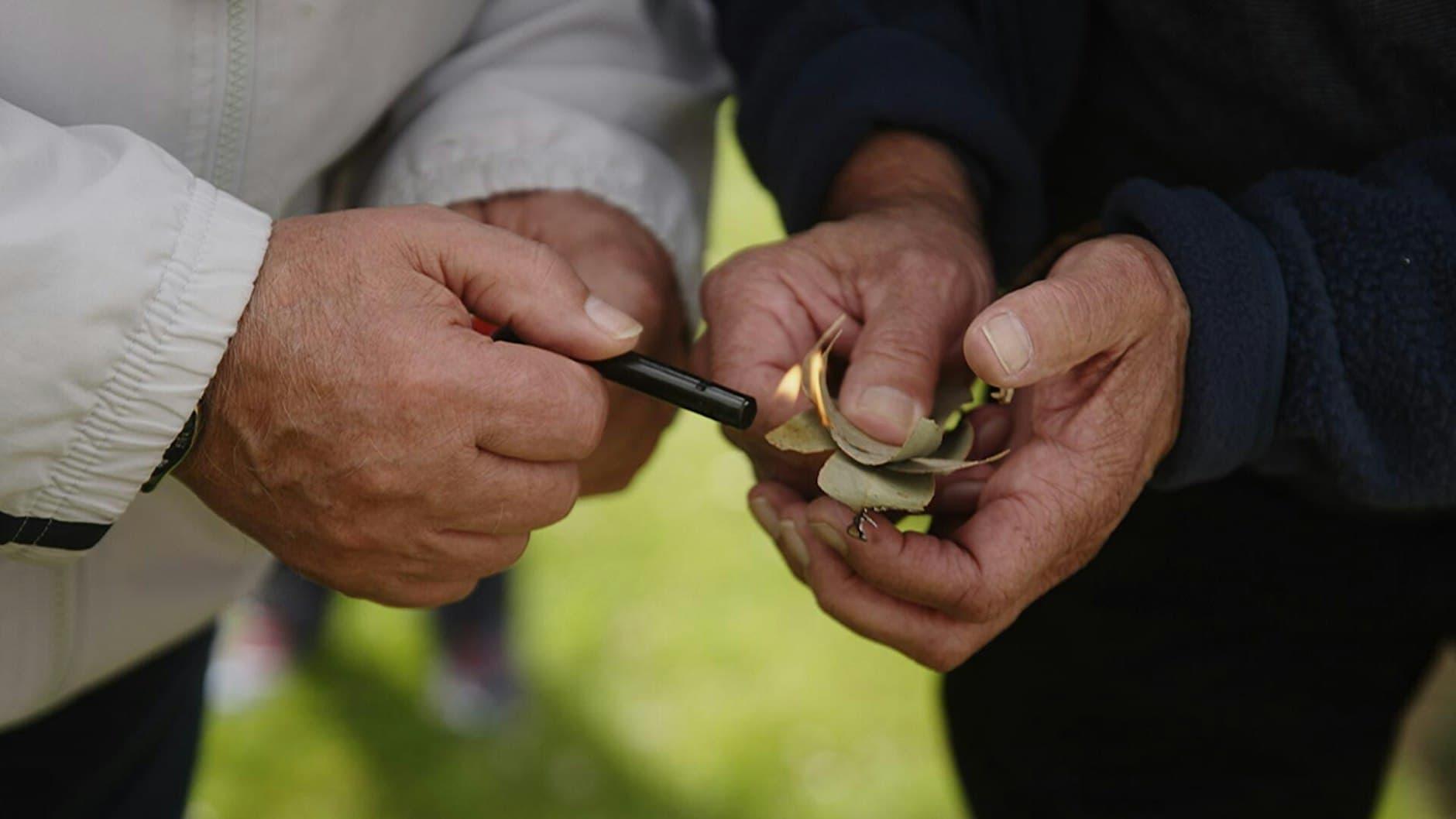
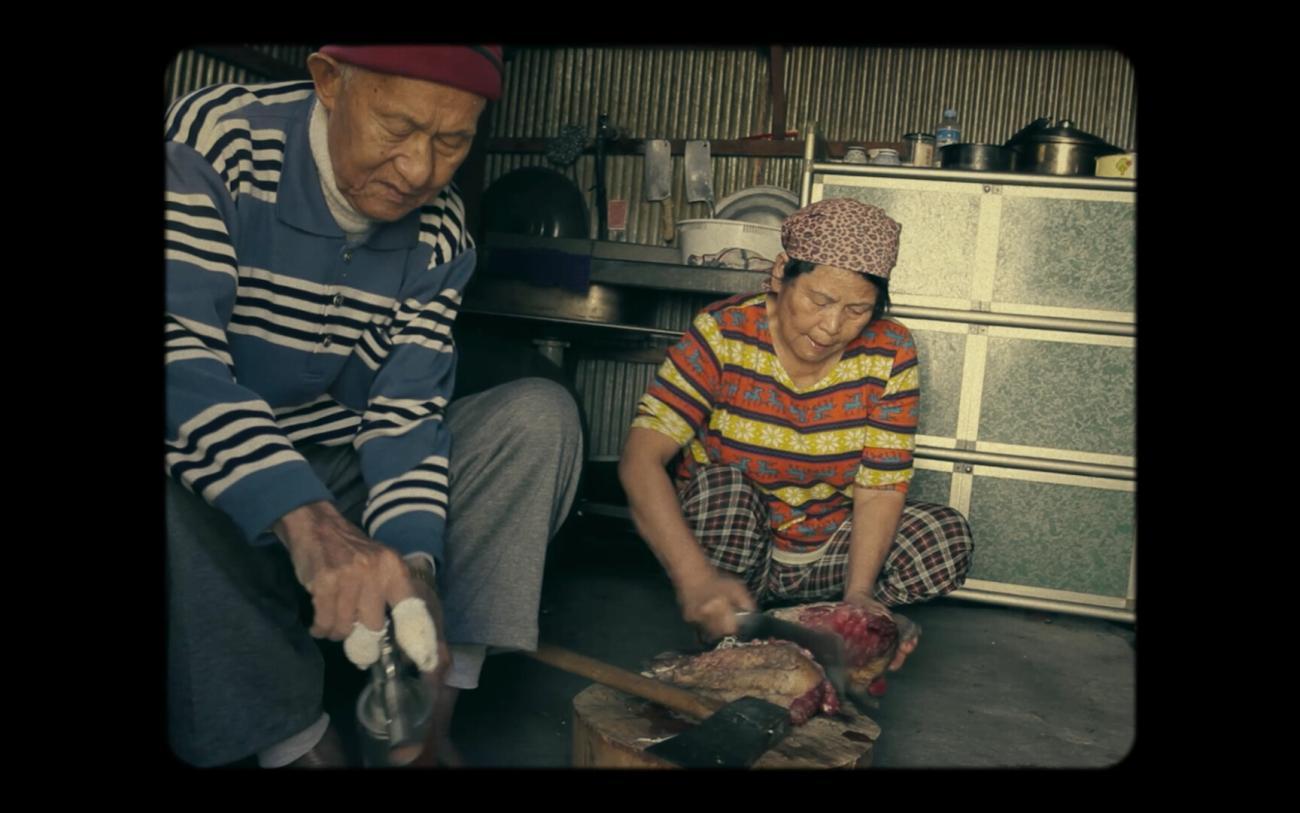
Native Spirit Festival marks its 20th anniversary with Indigenous-led cinema. Opening November 11 at the Institute of Advnced Legal Studies with 7 Generations, the programme continues with a nine-hour film marathon on November 14, a shorts programme and Mundurukuyü at The Horse Hospital on November 15, and a screening of SPI with director Sayun Simung at SOAS on November 17. The latter follows a Tayal family working to protect Gaga, a fading sacred value system. Gaga is the ancestral, sacred value system and customary law of the Tayal (Atayal) people, an Indigenous group in Taiwan. Far more than just a religion, it serves as an all-encompassing code of ethics that dictates the community's relationship with their ancestors (utux), each other, and the natural world, governing everything from hunting rights to moral taboos. Learn more →
Also in London, Scenes of Home Under Gender Apartheid brings together photographs by 21 Afghan women in a collaboration between Eugénie Huibonhoa and Afghans for Progressive Thinking. Running November 11 to December 1, the exhibition explores home, sanctuary and resilient world-building after five years of Taliban rule. Viewing hours are 3:00 pm to 9:00 pm on November 25 and 27, and 3:00 pm to 7:00 pm on November 26. A storytelling and cultural workshop led by Afghan migrants and refugees accompanies the exhibition. Learn more →
Spaces for belonging
Justice also takes shape through the everyday infrastructures that allow people to live with dignity. In Seville, Mujeres Supervivientes provides care, emotional support and legal guidance, particularly for migrant women, through an anti-racist, decolonial feminist framework. Its work also includes a community kitchen at Plaza Pumarejo, bringing collective care into the heart of neighbourhood life. Learn more →
Near Dax, A L'Exception Culturelle works with the DAL Dax branch, using art and humour as tools for civic resistance. This month, it marks the 20th anniversary of Les enfants de Don Quichotte, the movement that reshaped public debate around homelessness and housing rights. Learn more →
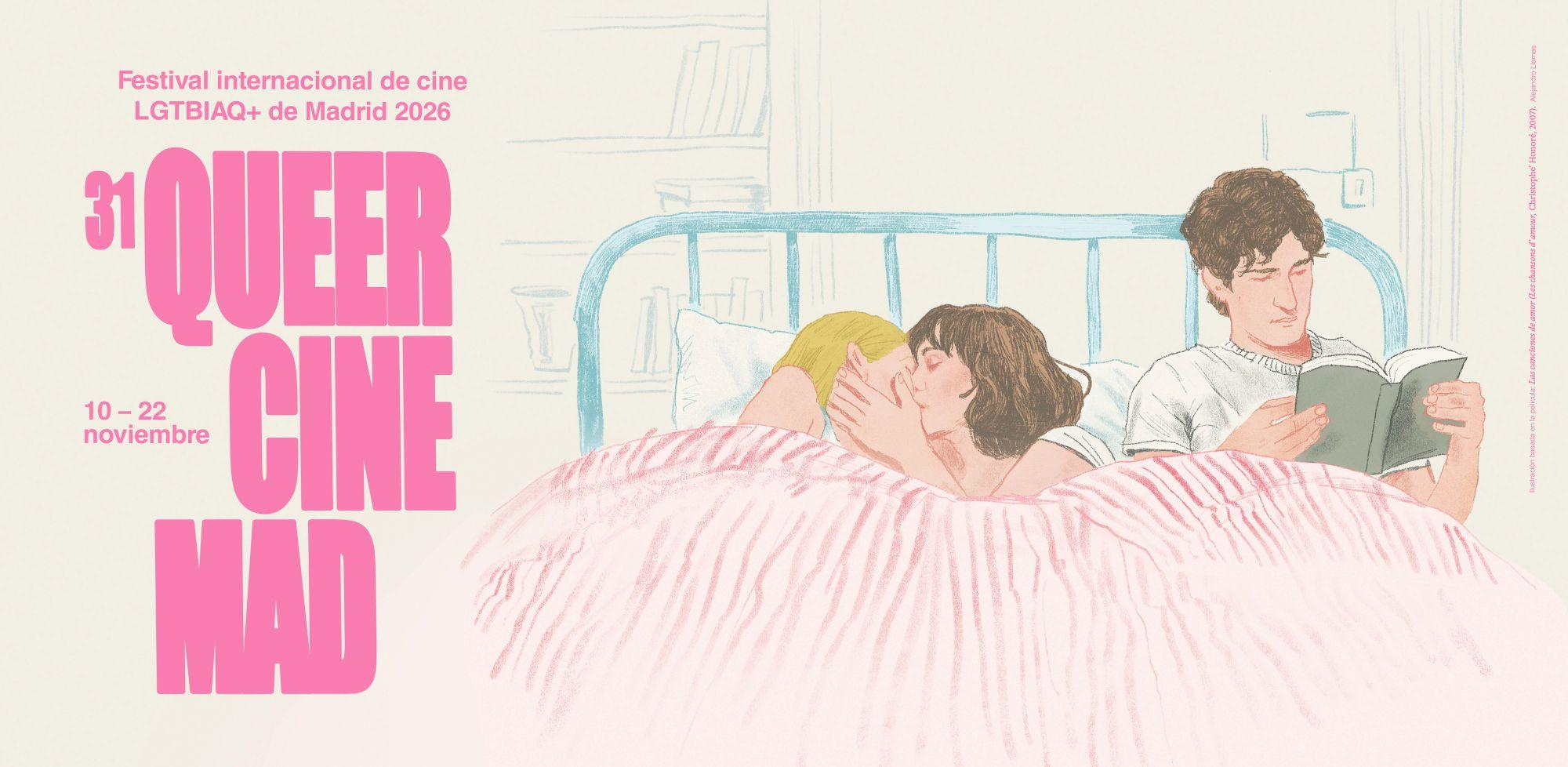
Film festivals create other spaces for encounter and recognition. QueerCineMad, organised by Fundación Triángulo, opens its 31st edition in Madrid on November 10, presenting more than 120 films across over twenty venues, including Cineteca at Matadero. France is this year's guest country, with Christophe Honoré receiving the lifetime award. Learn more →
In Lisbon, Olhares do Mediterrâneo, advocates for gender equality and minority rights through its women's film festival, showcasing directors from across Mediterranean countries. On November 15, Saskhia Menendez and The Global Trans Charter host a global online event connecting music, identity and mental wellbeing, while asking how the entertainment industry can become safer for trans and non-binary people. Learn more →
What Cannot Be Silenced
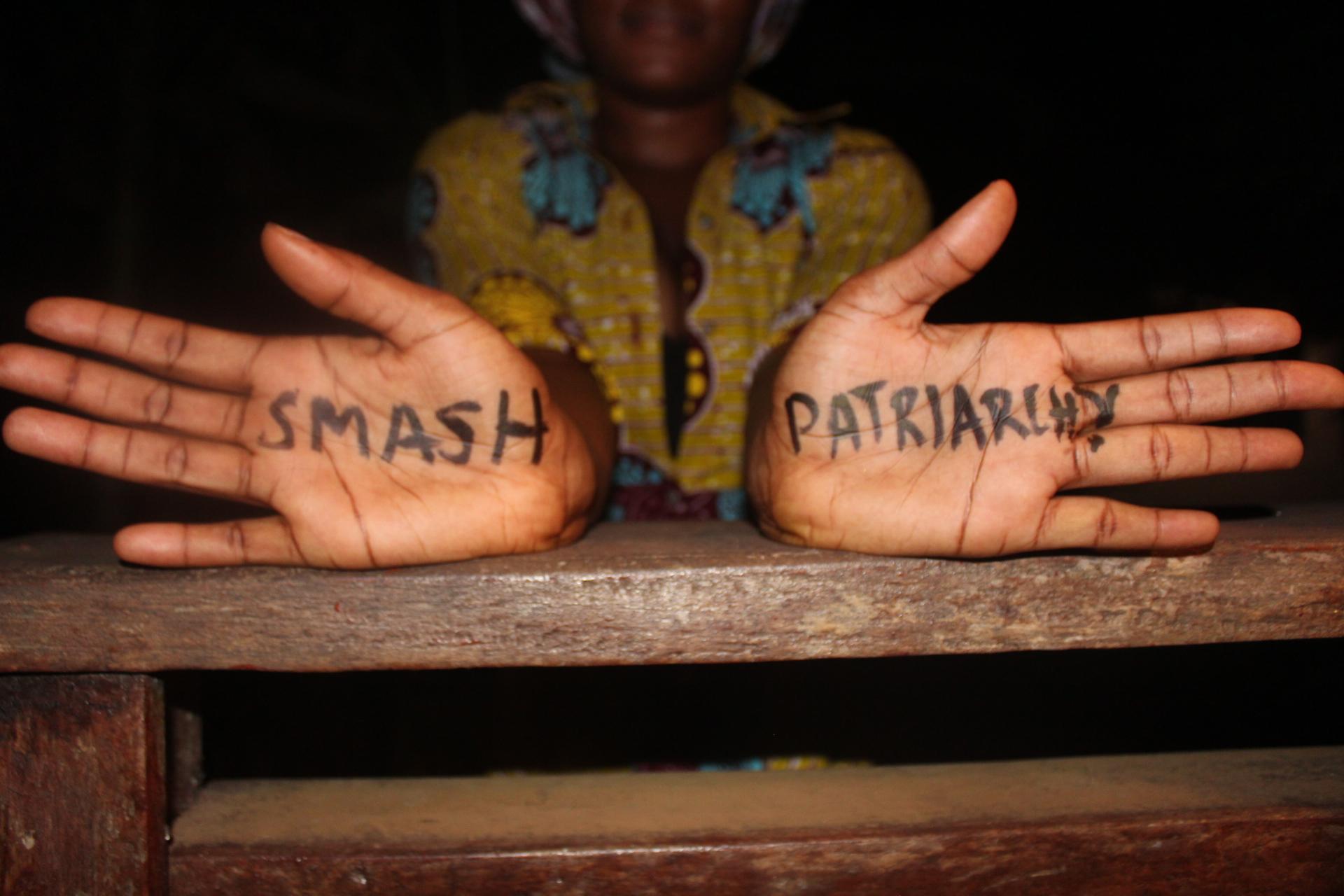
Some struggles begin with the simple but consequential act of making visible what has been silenced. In Freetown, photographer Mina Bilkis presents Indestructible, a four-piece series exploring resistance, autonomy and individuality for women living in a patriarchal society. Learn more →
From Lisbon, illustrator Anna Rossi combines personal photography and drawing in Childhood in summer, Humanity in Palestine, bringing together the realities of genocide and global warming through the loss of childhood and the erosion of shared responsibility.
In Gironde, educator Daniela Felletti brings a Global Majority perspective to Eurocentric colonial perceptions, helping organisations translate equity into everyday practice. In Tamale, playwright Kobina Ansah of Scribe Productions wrote and staged Ghana's first original musical addressing rape. His theatre also confronts child marriage in the Northern Region, using humour to carry difficult questions about gender, power and social responsibility. Across these works, personal experience becomes a way to confront wider structures of violence and exclusion. Learn more →
Shaping the world we inhabit
From reclaimed materials and Indigenous knowledge to community kitchens, independent cinema and theatre, these initiatives show culture at work in the spaces where social life is negotiated and transformed. They create platforms for voices pushed aside, challenge the distribution of resources and build places where people can gather, organise and imagine different ways of living. The work takes many forms, but it begins with a shared conviction that the future must be shaped by those who inhabit it.
You can join in too
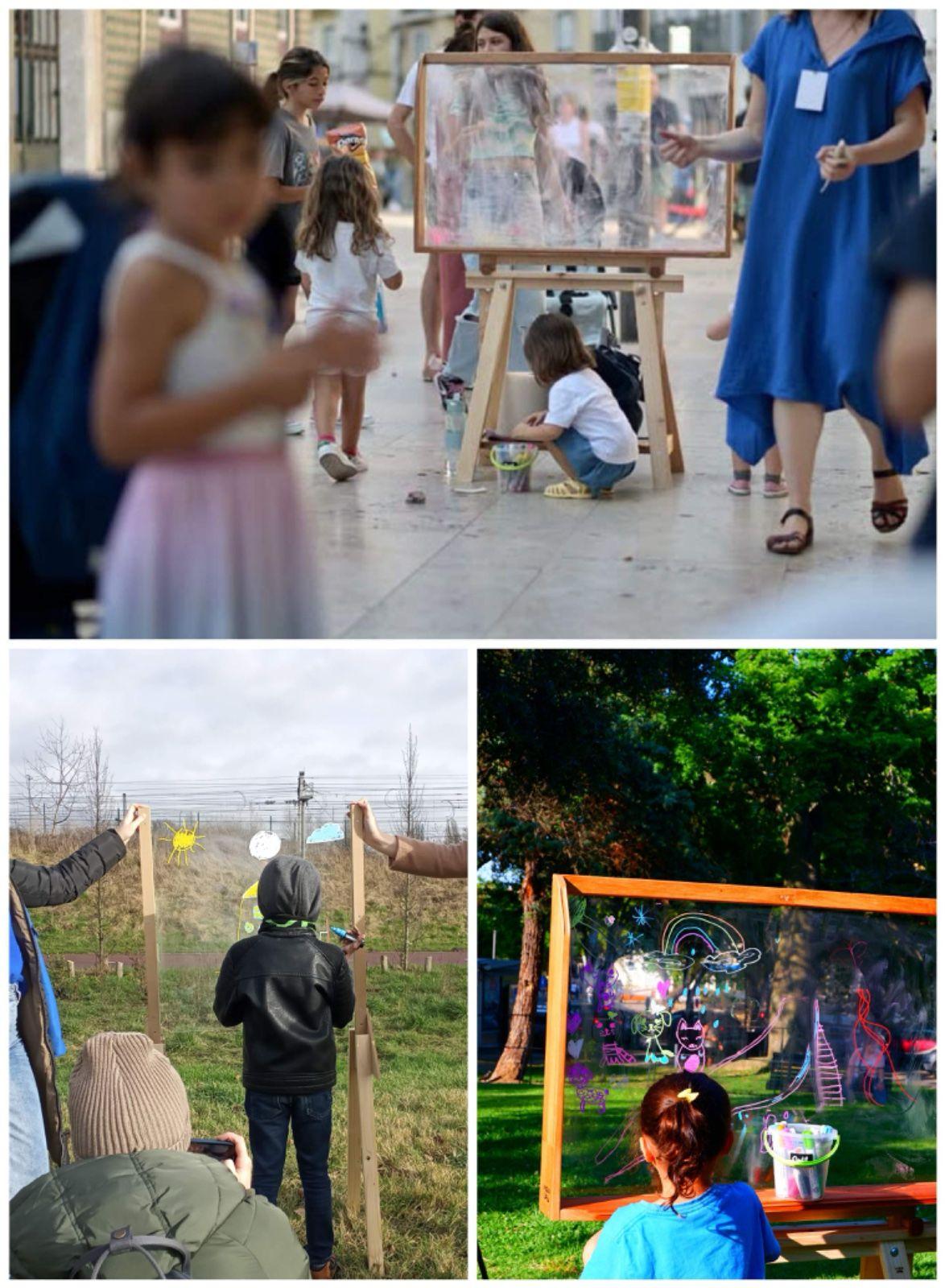
Global Artivism Month continues until 10 December. You can join the movement by putting yourself on the map, sharing your art or listing a November event.