On October 25, Luiz Inácio Lula da Silva was elected to a fourth presidential term in a closely contested runoff against Flávio Bolsonaro. The result came at a moment when right-wing forces have been gaining ground across parts of Latin America. The vote takes place on a single Sunday, while the work behind it unfolds over years, in classrooms, galleries, museums, school corridors, group chats and city streets. This dispatch looks at that ongoing work. From Brasília to Rio de Janeiro, from São Paulo to Manaus and the rural classrooms of Bahia, collectives use photography, puppets, posters, scarves and software to teach, organise and imagine. They turn technology towards care and education, and build hubs where art and activism become part of the same practice. Their networks, popular education projects and bridges between social movements and cultural ones show how political participation is sustained through everyday organising, making what seems impossible plausible as new worlds emerge day by day.
Hubs are Spaces for Commonality to Sprout
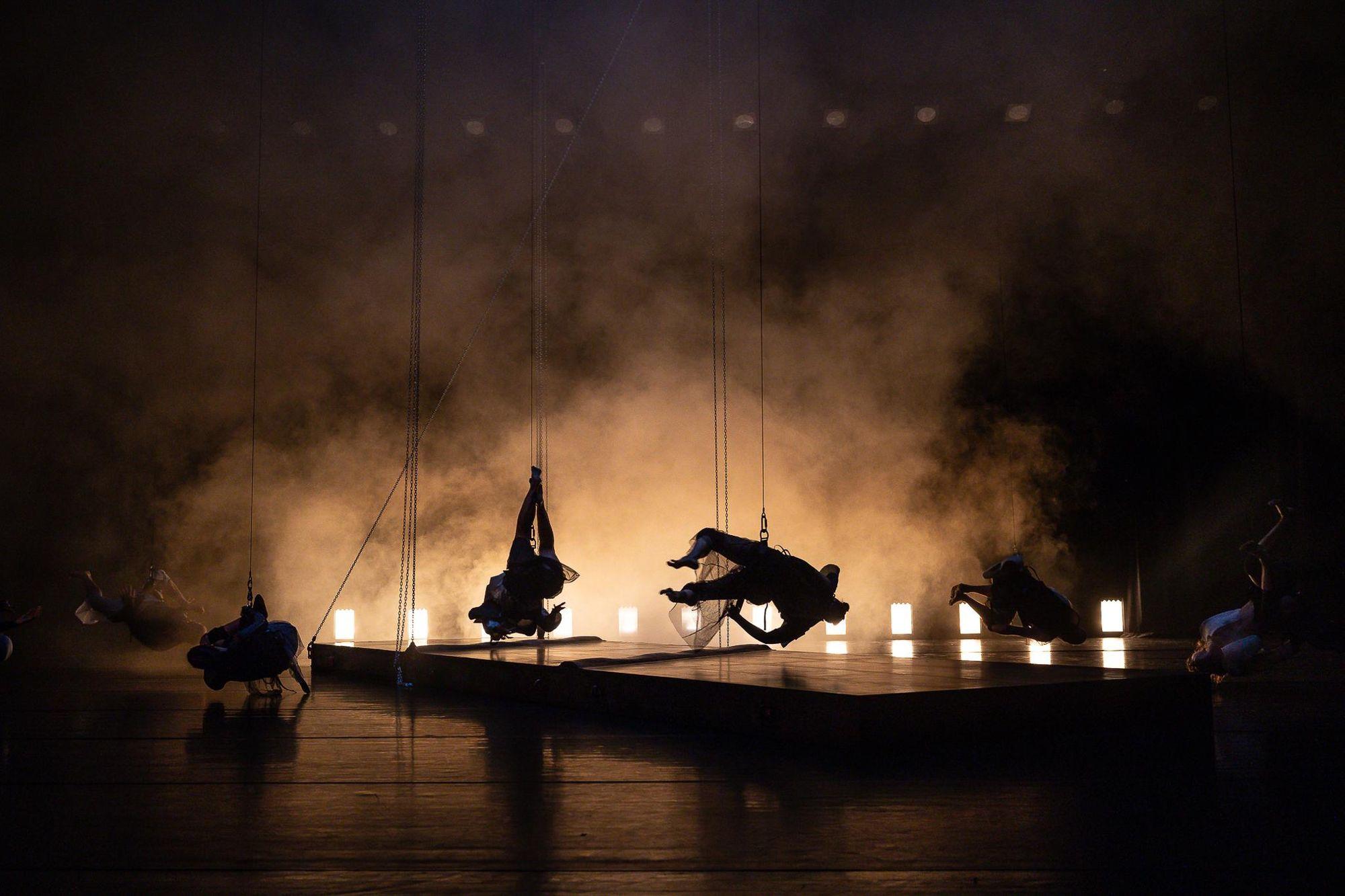
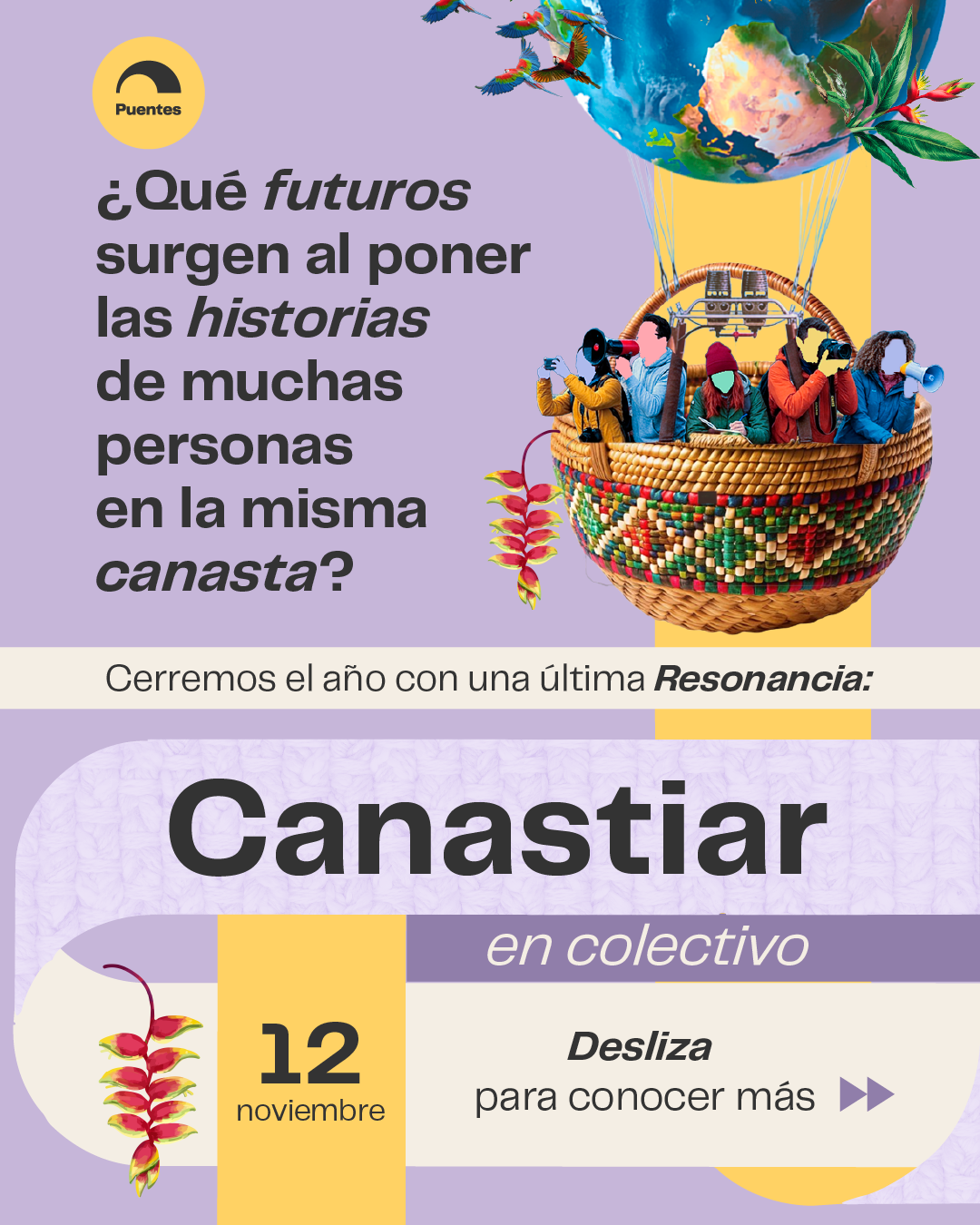
Puentes, a virtual non-profit founded in 2019, shows what a hub can be without a single building. It provides the digital and strategic tools that help social justice movements across Latin America move from exhaustion and reactive resistance towards shared agency and the radical imagination needed to make just futures possible. Its profile this month is anchored in Brasília, and its regional window opens on November 13. Just before it, on November 12, Puentes hosts Resonancia Digital on Zoom with Sala Estrecha and Títeres Agarrapata. The gathering brings together storytelling, art and collaboration, creating a space to ground the body and the collective mind amid regional and global tensions. Interpretation in Portuguese, Spanish and International Sign is planned, with the schedule to be confirmed. Communities of practice live at puentes.org, and registration is available through Zoom. Learn more →
Technology Slows Down for the Future
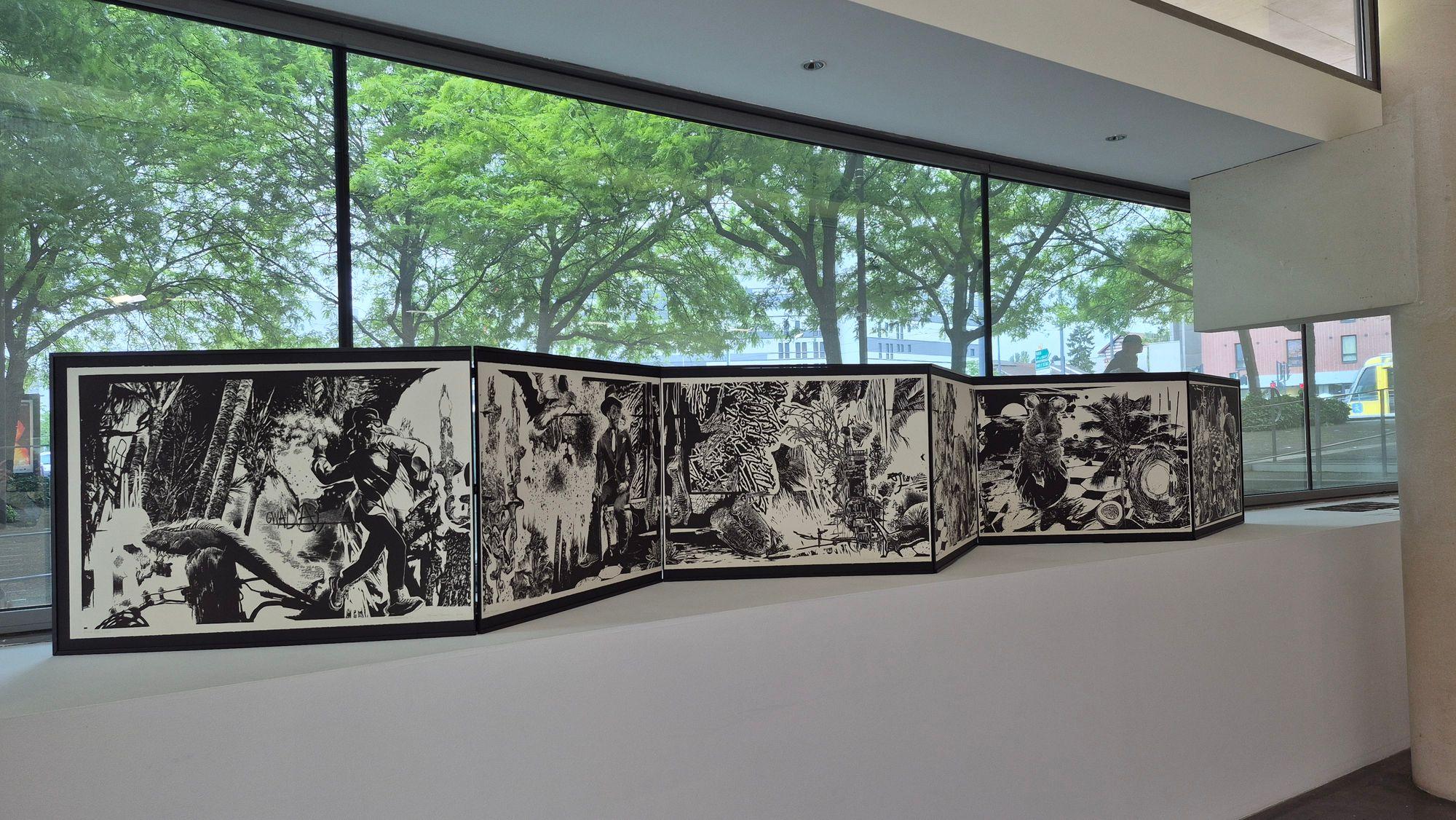
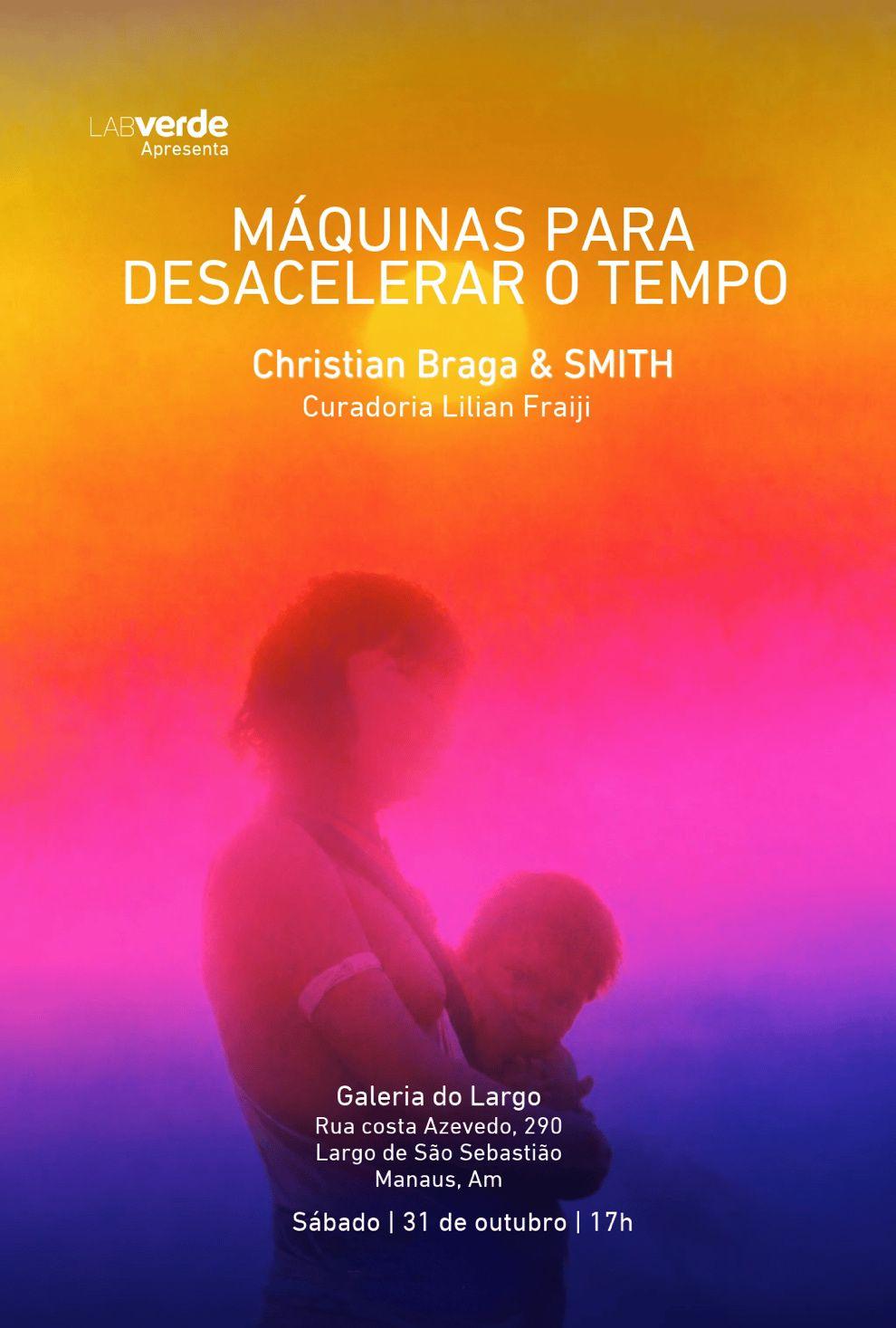
In Manaus, the platform LABVERDE asks what happens when tools built to measure, control and extract learn instead to listen, protect, bear witness and care. Its exhibition Machines to Slow Down Time, featuring photographic works by Christian Braga and SMITH and curated by Lilian Fraiji, opened on October 31 at Galeria do Largo, in Largo de São Sebastião. It remains on view until January 31, 2027, before travelling to Paris. Admission is free, and the gallery is open Wednesday to Sunday from 3:00 pm to 8:00 pm. The exhibition challenges the pace of extractivism and invites visitors to consider bem-viver, or well-living, as a shared way of life. Learn more →
In São Paulo, a phone becomes a tool for reclaiming the street. On November 14, from 10:00 am to 1:00 pm, the Memorial da Resistência de São Paulo and the art collective casadalapa host a free workshop on mobile photography and urban intervention, supported by ARTIGO 19. It begins at the museum's third-floor Lugar de Encontro, within the exhibition No olho da rua, which brings together photographs of the city taken between 2015 and 2025 by artist and activist Sato do Brasil. Participants then walk through the neighbourhoods of Luz and Santa Ifigênia to observe, photograph and intervene together. The Memorial is located at Largo General Osório, 66, in Santa Ifigênia. Learn more →
Reproductive Rights Are a Matter of Public Health
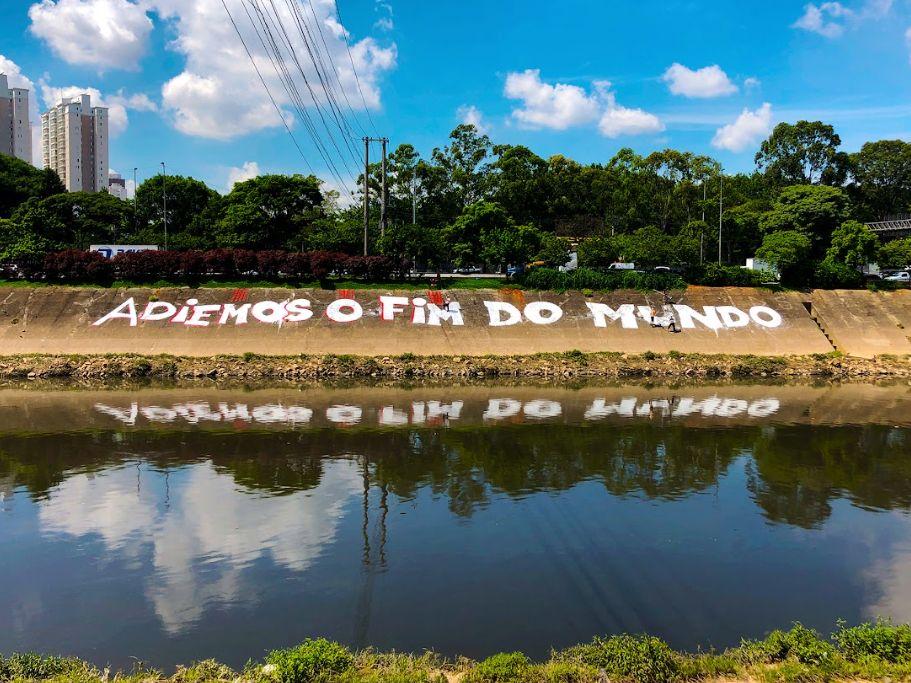
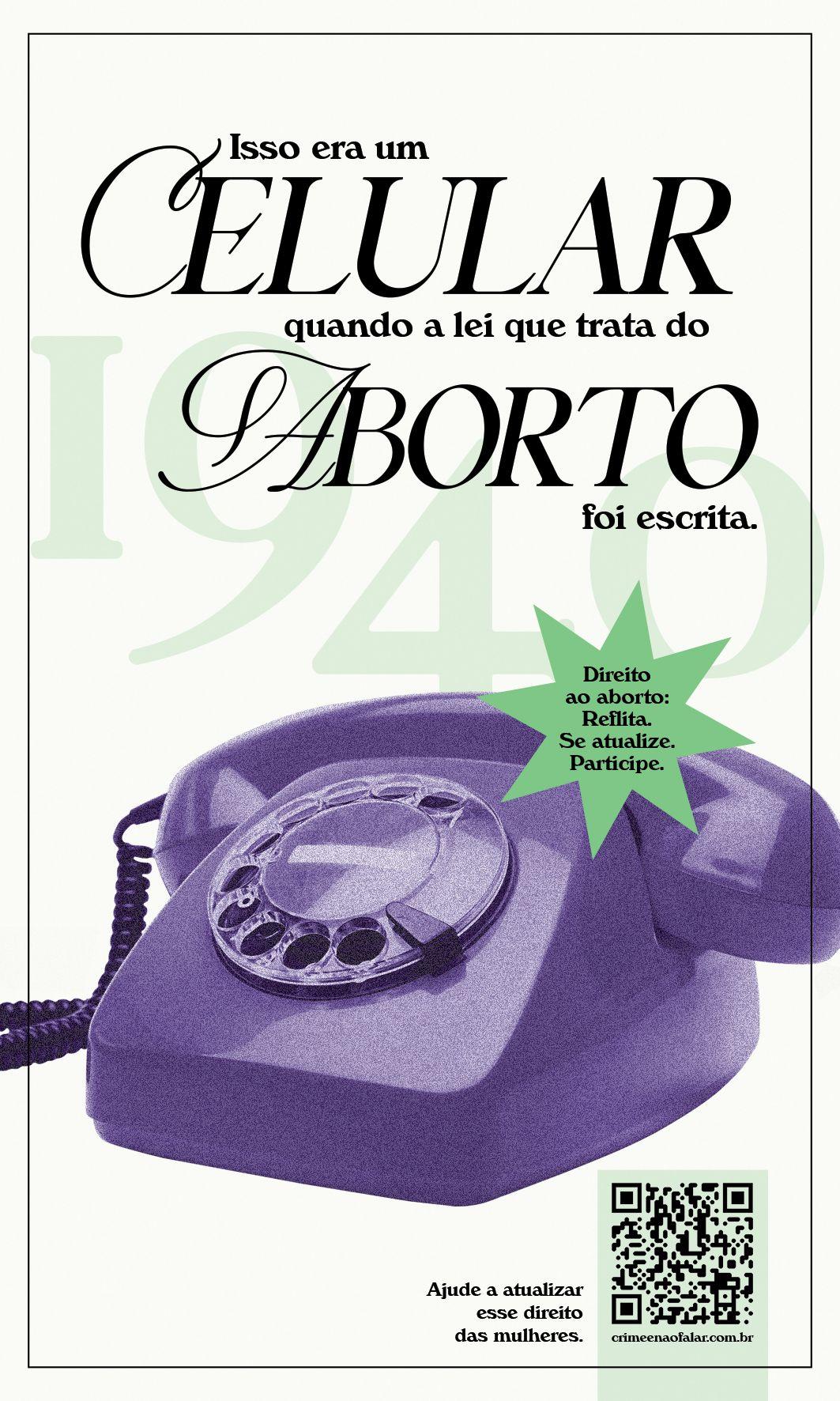
Art also carries conversations that societies often find difficult to address. In Rio de Janeiro, CEPIA runs a month-long public campaign, Aborto: Crime é não falar, taking the debate over abortion decriminalisation into the streets. It places past and present side by side to question Brazil's 1940 Penal Code, for instance by displaying a wedding dress next to rubbish to recall an era when women could be sent back to their families if they were no longer virgins at marriage. Through street dialogue and scarves bearing the campaign's slogan, CEPIA aims to move reproductive rights beyond moral and religious stigma and into the realm of public health. Coverage of the street action is available on YouTube. Learn more →
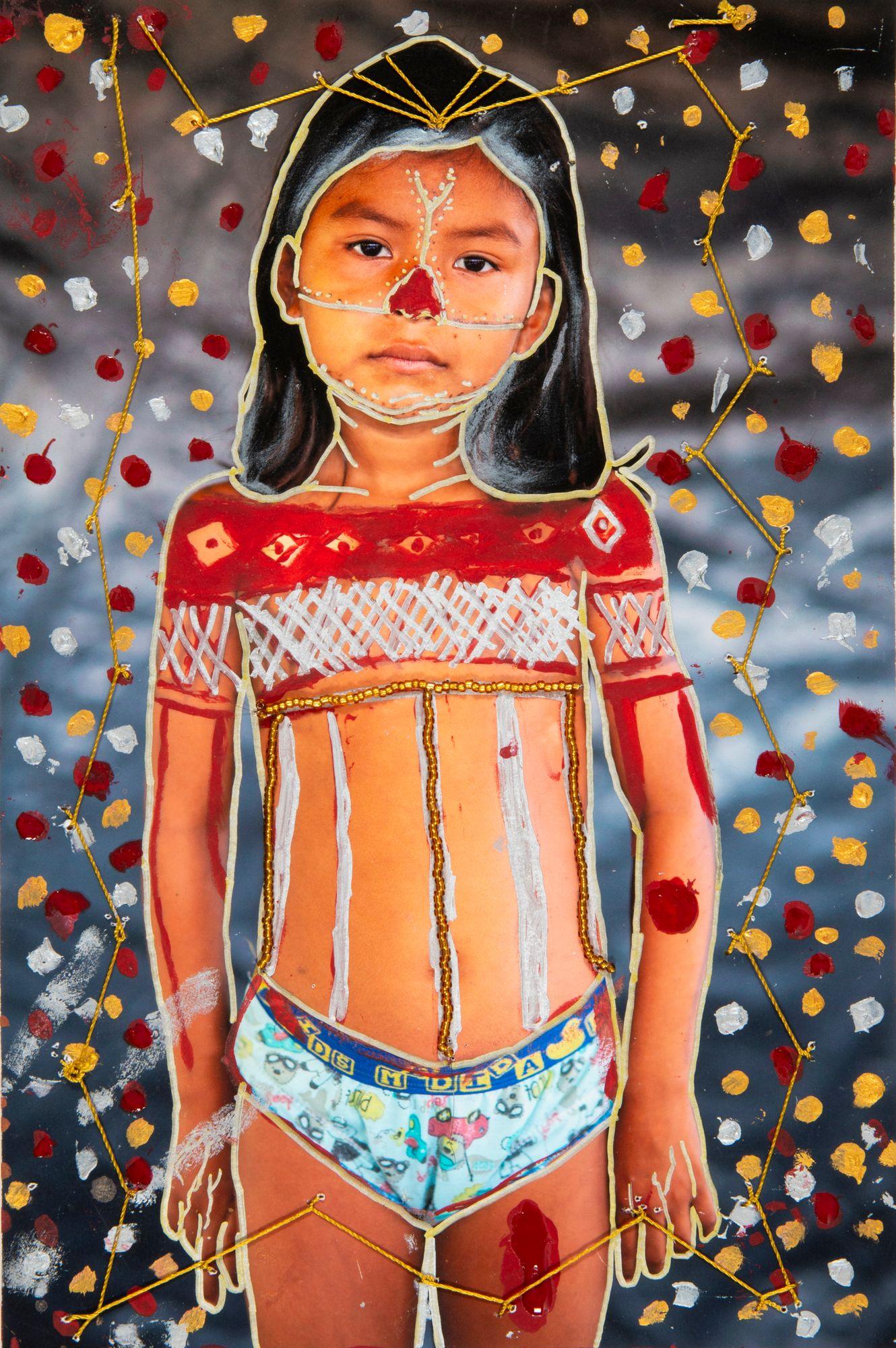
Further north, photographer Leticia Valverdes and the Munduruku people of the Tapajós River created And Now the People Know. She returned printed portraits and landscapes to the village of Sawré Muybu, where children, women and elders transformed them into collective canvases. The works combine red urucum pigment representing blood, gold paint representing illegal mining and silver representing mercury with river water, forest earth, fire and hand-stitched beads. Together, these materials make the poisoning of rivers and bodies visible, transforming grief into an act of resistance and healing. The series invites viewers everywhere to listen and stand in solidarity. Learn more →
Shaping Common Horizons
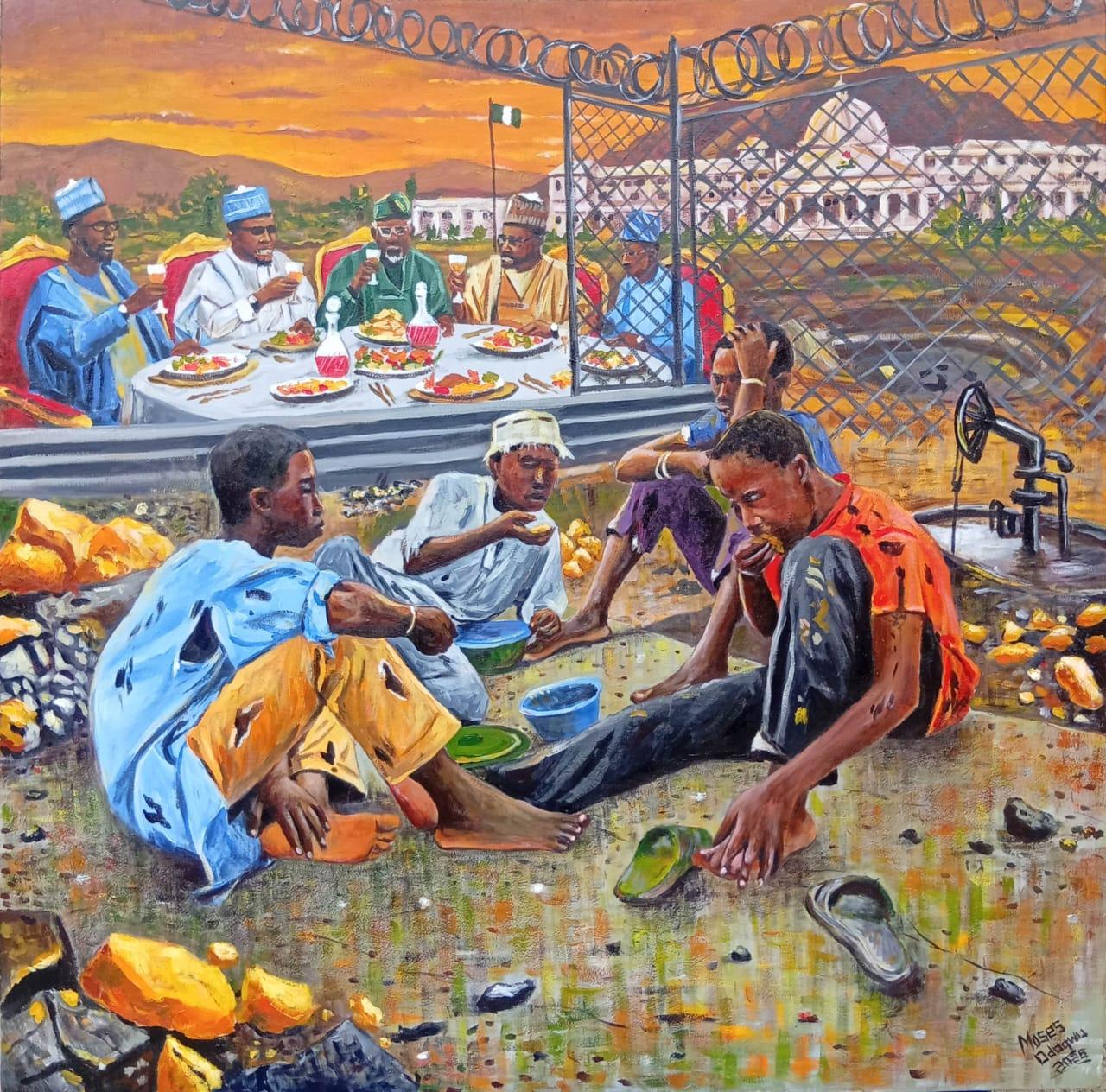
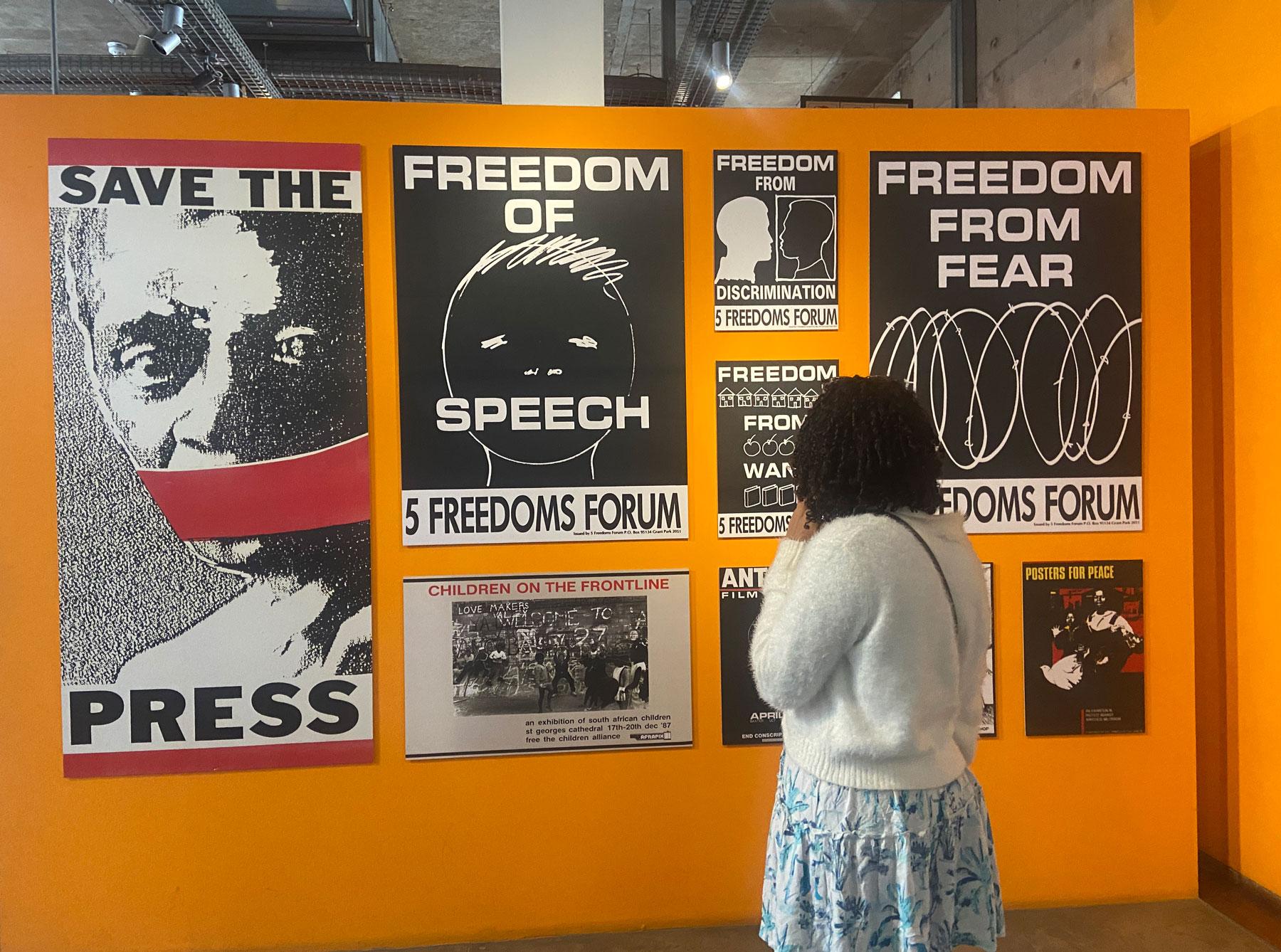
In Serra Grande, a district of Uruçuca in Bahia, young people are drawing the future. From November 16 to 30, visual artist and cultural manager Nina Vieira works with the Colégio Estadual do Campo de Tempo Integral de Serra Grande (CECTISEG), located on Travessa Pedro Gomes, on Artivismo, juventudes e imaginação política. The art-education project uses graphic design to spark political imagination among rural youth. Drawing on exchanges between Brazil and South Africa, students create posters about their memories, their territory and the futures they want. The project takes place within the school day. Neighbours interested in joining an open session or visiting the final poster exhibition can contact the school or follow its channels and those of the artist. Learn more →
We, the People, Build Together futures
Puppets, cameras, scarves, pigments, posters and screens become ways to teach, remember and organise. Each hub, museum, school and village provides a setting for exchange and collective work. Gender justice, reproductive rights, Indigenous rights, climate justice and the right to the city meet in these practices. Brazil's recent election reminds us that democratic participation and social transformation depend on work carried out well beyond the ballot box. These networks, creative practices and spaces of learning are part of that continuing process.
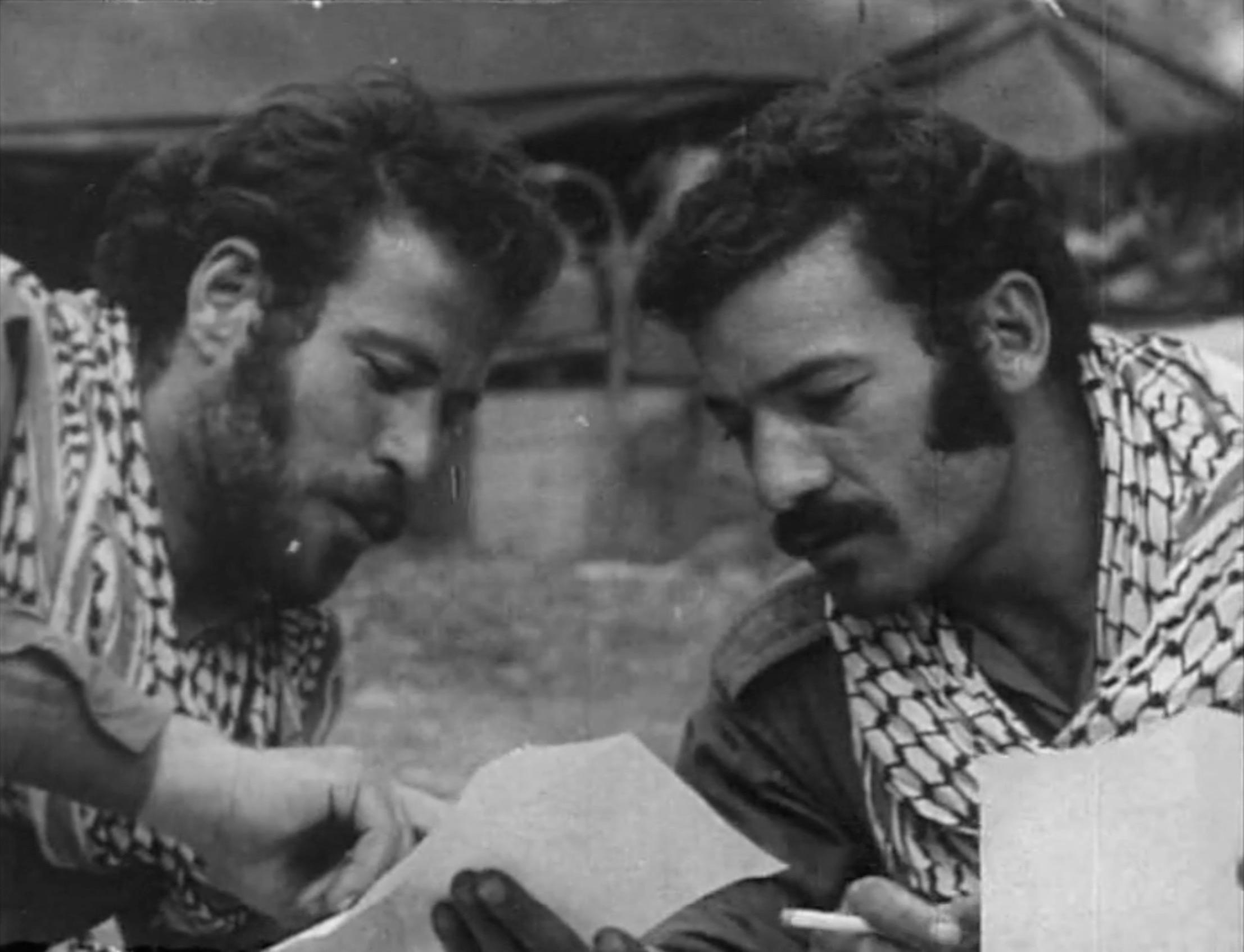
Brazil stands with Palestine. Through Palestine Cinema Days Around the World, Palestinian cinema reaches audiences in Belo Horizonte, Curitiba, Juiz de Fora, Niterói, Rio de Janeiro, Salvador and São Paulo, keeping Palestinian stories visible and circulating across borders.
You can join in too
Global Artivism Month continues until 10 December. You can join the movement by putting yourself on the map, sharing your art or listing a November event.