A Shared Horizon
From food sovereignty to mental health and digital accessibility, these initiatives connect ecological justice with the conditions that make collective life possible. Their different practices create spaces to exchange knowledge, challenge entrenched systems and organise responsibility and climate awareness. Climate justice is shaped by histories of inequality and the different conditions in which communities face the ecological crisis. Across this week's activities, cinema, public debate, music, theatre and collective practices bring food sovereignty, environmental protection and public wellbeing into the same conversation.
One Crisis, Two Vantage Points
The 20th edition of the ALIMENTERRE Festival, coordinated by the Comité Français pour la Solidarité Internationale, brings cinema and public debate to questions of food systems, agricultural models and ecological justice. Running from October 15 to November 30, the festival connects nearly 3,000 cinema-debates across metropolitan France, its overseas territories and a dozen partner countries. In Algiers, the Institut français d’Algérie presents a selection of documentaries addressing women in agriculture, agrochemical dependency, land grabbing, fair trade and water scarcity. The programme also reaches Kinkala and Makoua in the Republic of the Congo, Lomé and Zio in Togo, Parakou and Grand-Popo in Benin, and communities across Cameroon, including Douala, Edéa, Bonaléa, Bandjoun and Nkapa.
These conversations take place within a longer history. Colonial rule reorganised agricultural production across much of Africa around plantations, export crops and extraction, redirecting land and labour towards external markets. Those structures shaped unequal trade relations and left lasting effects on local food systems. Today, industrial agriculture, agrochemical dependency, land acquisition and the concentration of resources continue to raise questions about who controls the land, who benefits from its production and who bears the consequences of environmental damage. Food sovereignty is inseparable from climate justice. The distance between Parakou and Paris is also a political question. The ALIMENTERRE network brings communities into a shared conversation about agricultural systems whose effects are felt unevenly. Solidarity requires attention to these differences, and recognition of the historical responsibilities that shape them.
Diasporic singing for the Planet
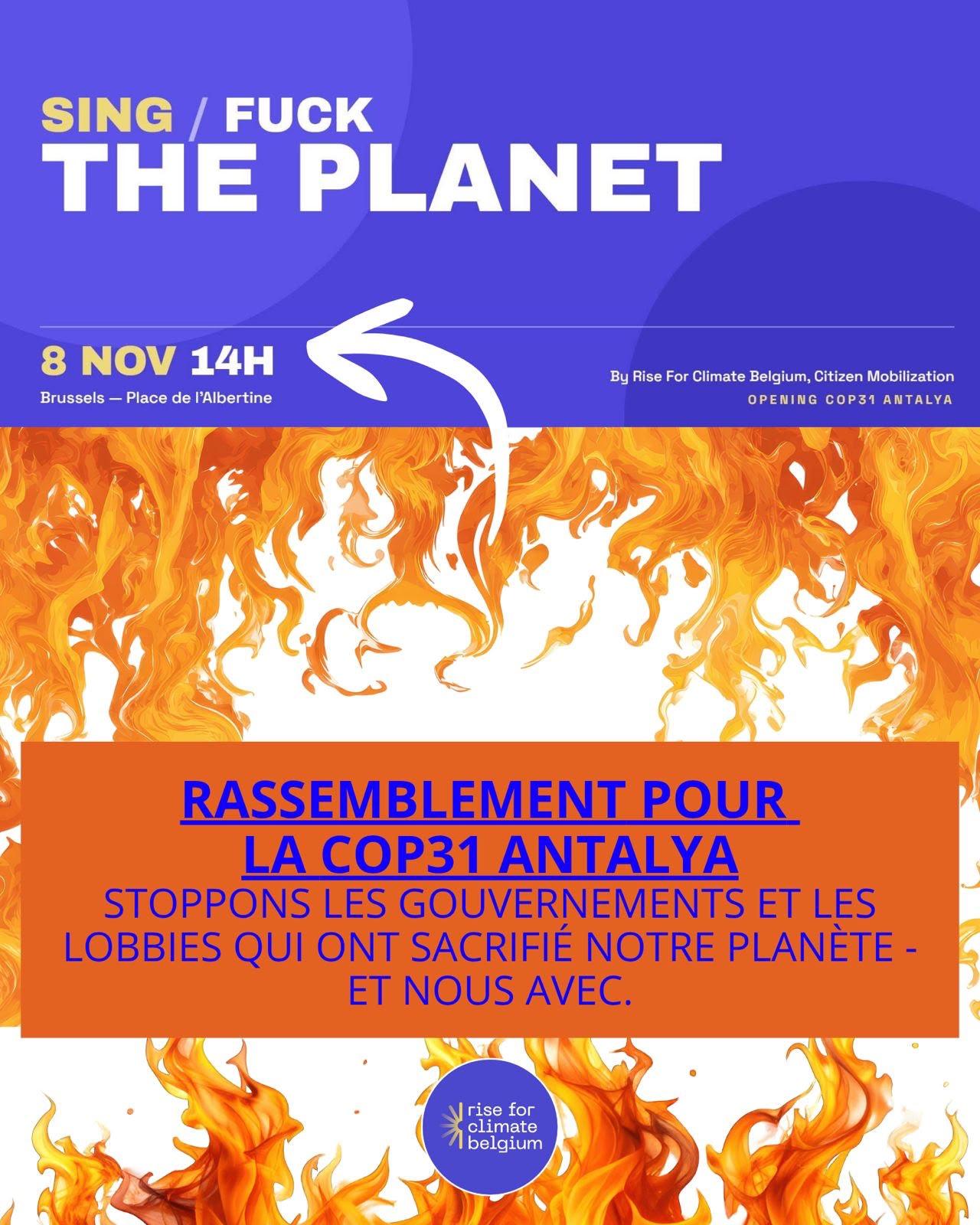
In Brussels, ecological justice enters the public square through music. Rise For Climate Belgium organised “Sing / Fuck The Planet” at Place Albertine, bringing activists and artists together for collective singing and an open microphone ahead of COP31. With contributions from Getch, Bruno Coppens and Roxane Lefebvre, the gathering called for a ban on fossil fuel lobbyists at UN climate summits and within the European Parliament. The action also supported the Fossil Free Politics campaign and the Fossil Fuel Non-Proliferation Treaty.
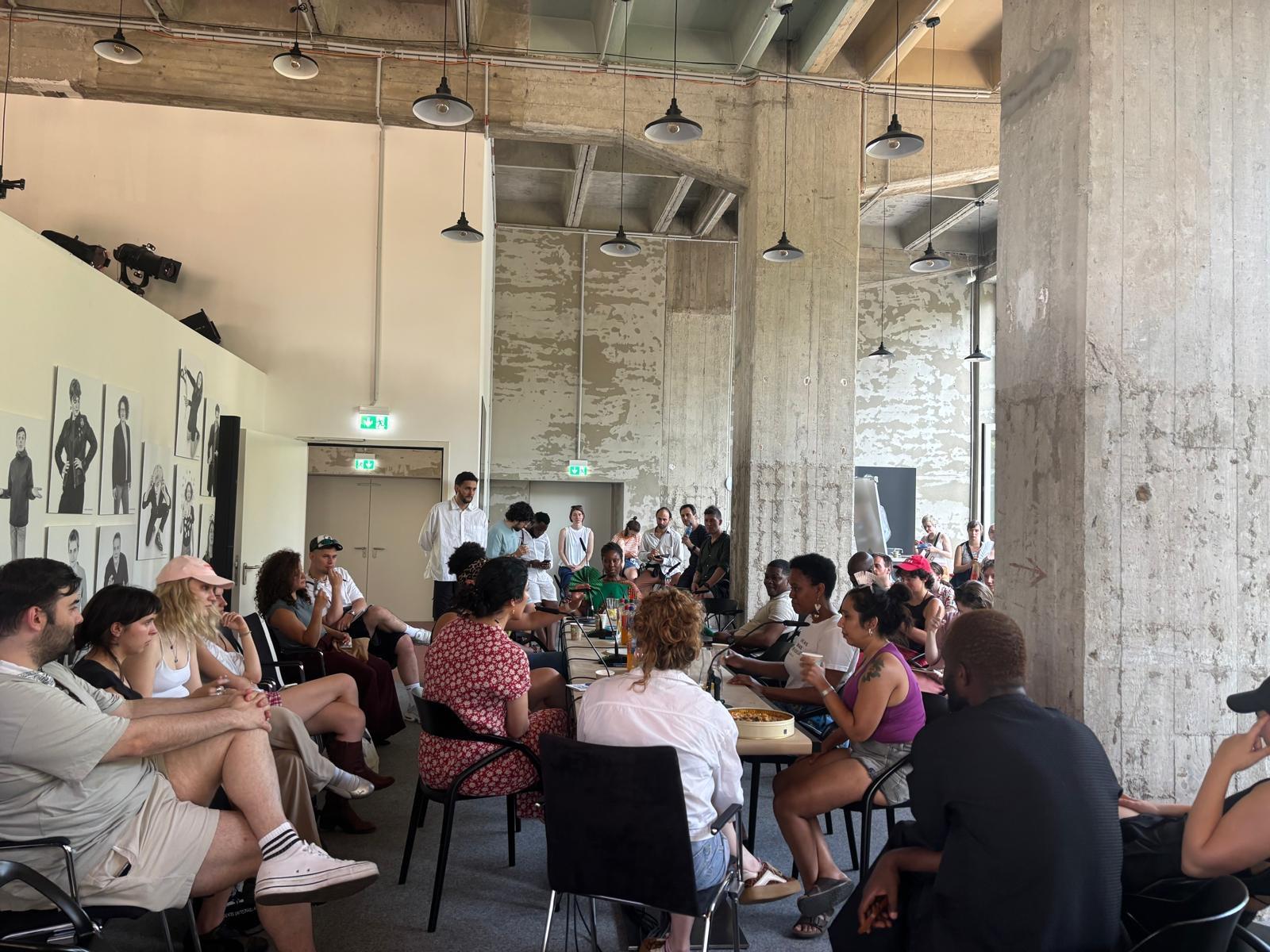
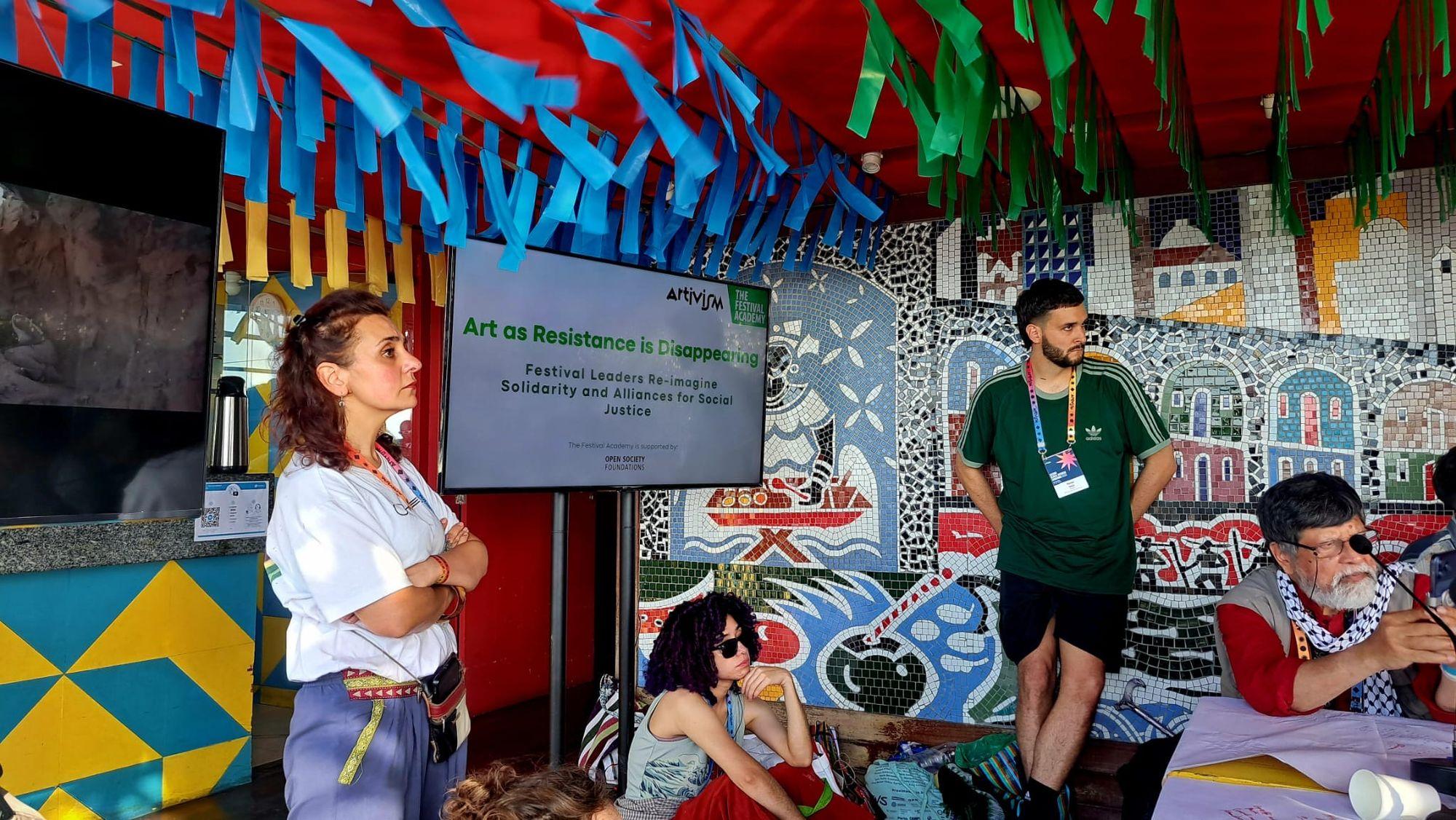
Brussels is also hosting “Come to the table! – Festivals as Spaces for New Ideas,” a programme by The Festival Academy running from November 10 to 30. Using the Long Table format, its conversations at WIELS and Ru’qah cultural space explore the role of festivals as places for exchange, with questions of myth, displacement and shared histories at the centre.
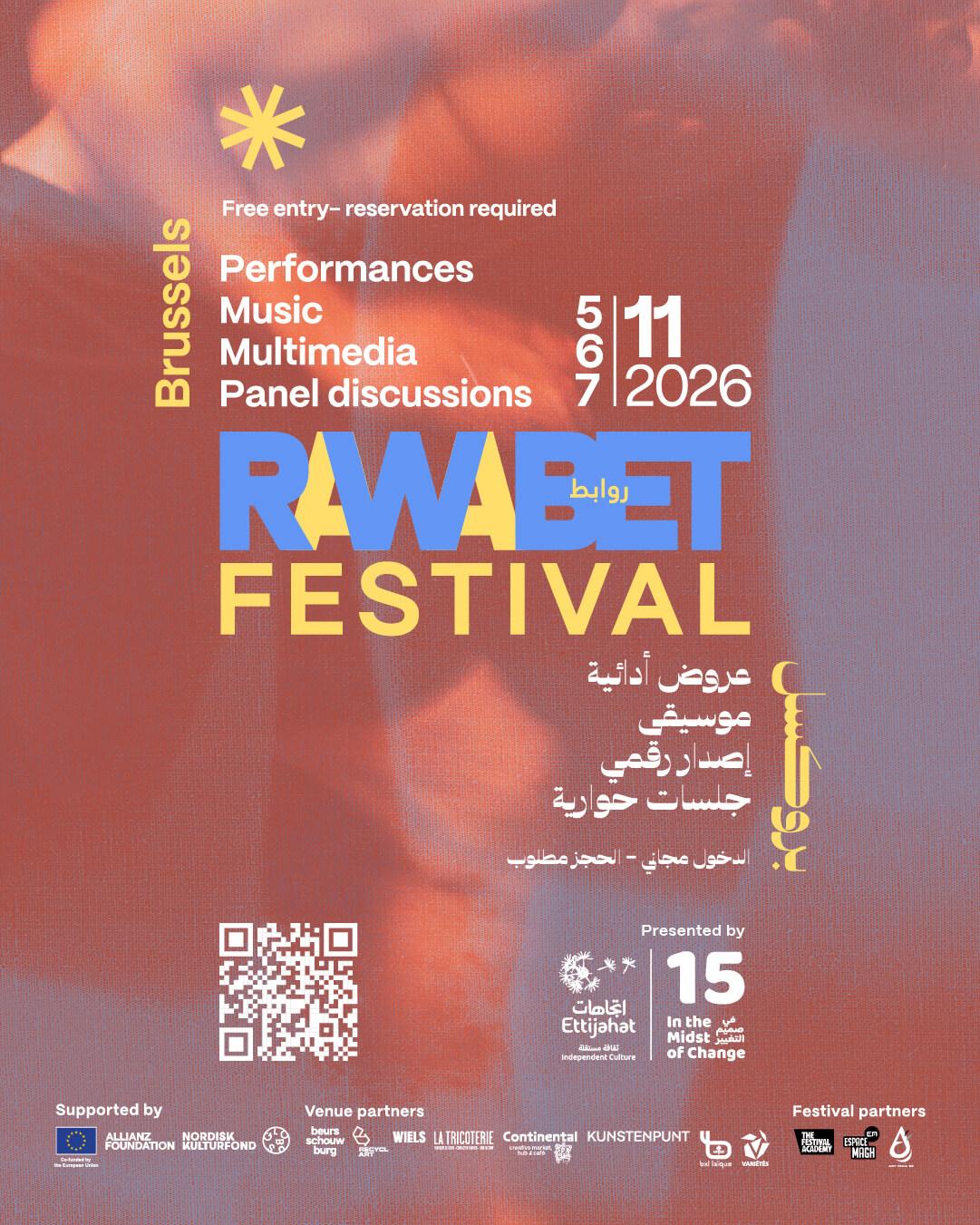
From November 5 to 7, the city hosted the Rawabet Festival, closing a three-year programme by Ettijahat – Independent Culture supporting artists from the Arab region who relocated to Europe since 2015. Three public panels, live performances and multimedia presentations brought together artists and audiences, with a closing night at Beursschouwburg featuring Deena Abdelwahed, Mezar and Lynn Adib. The festival also marked the launch of the digital publication Endings as New Beginnings.
Climate Justice Is Also a Question of Health
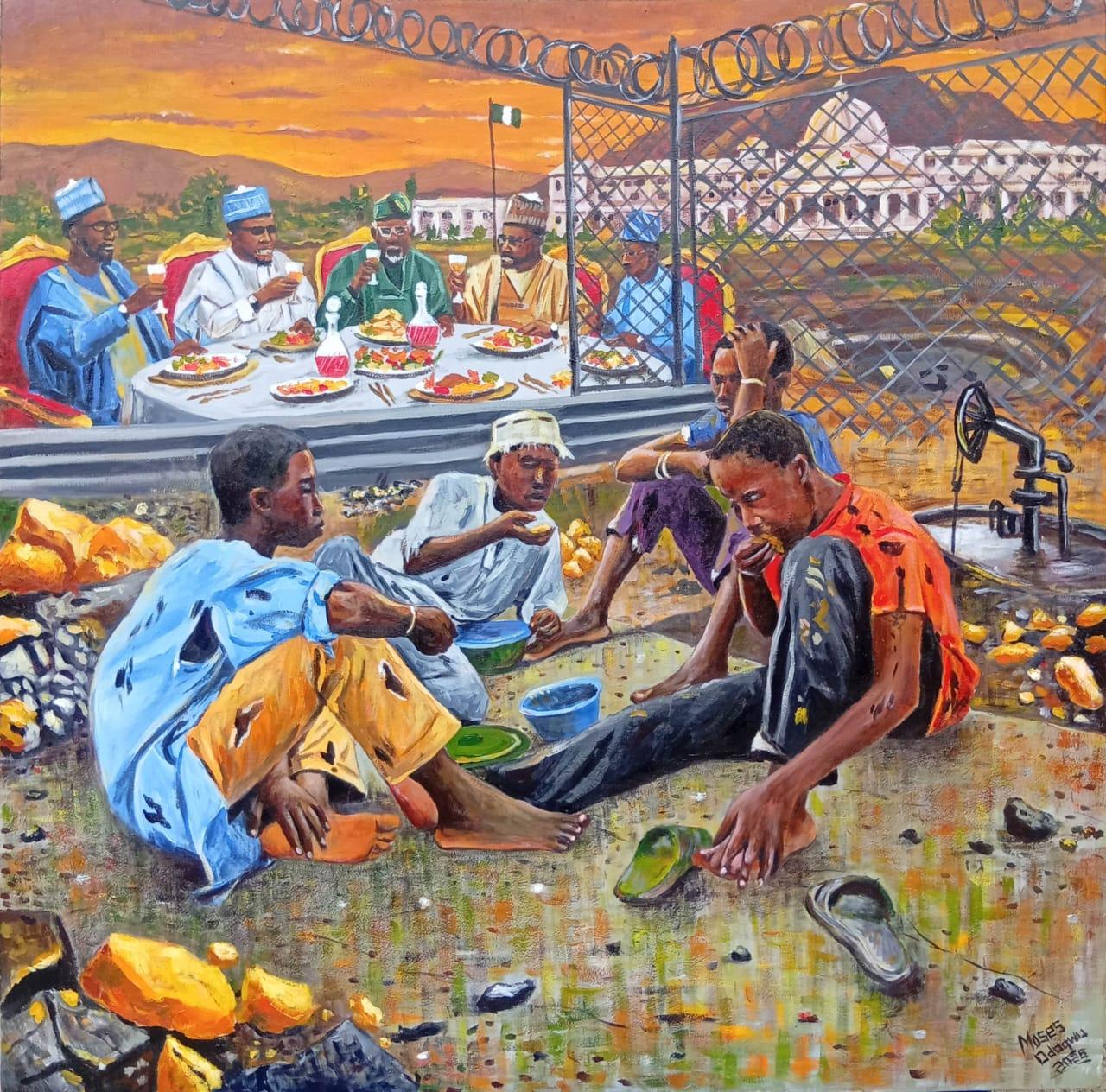
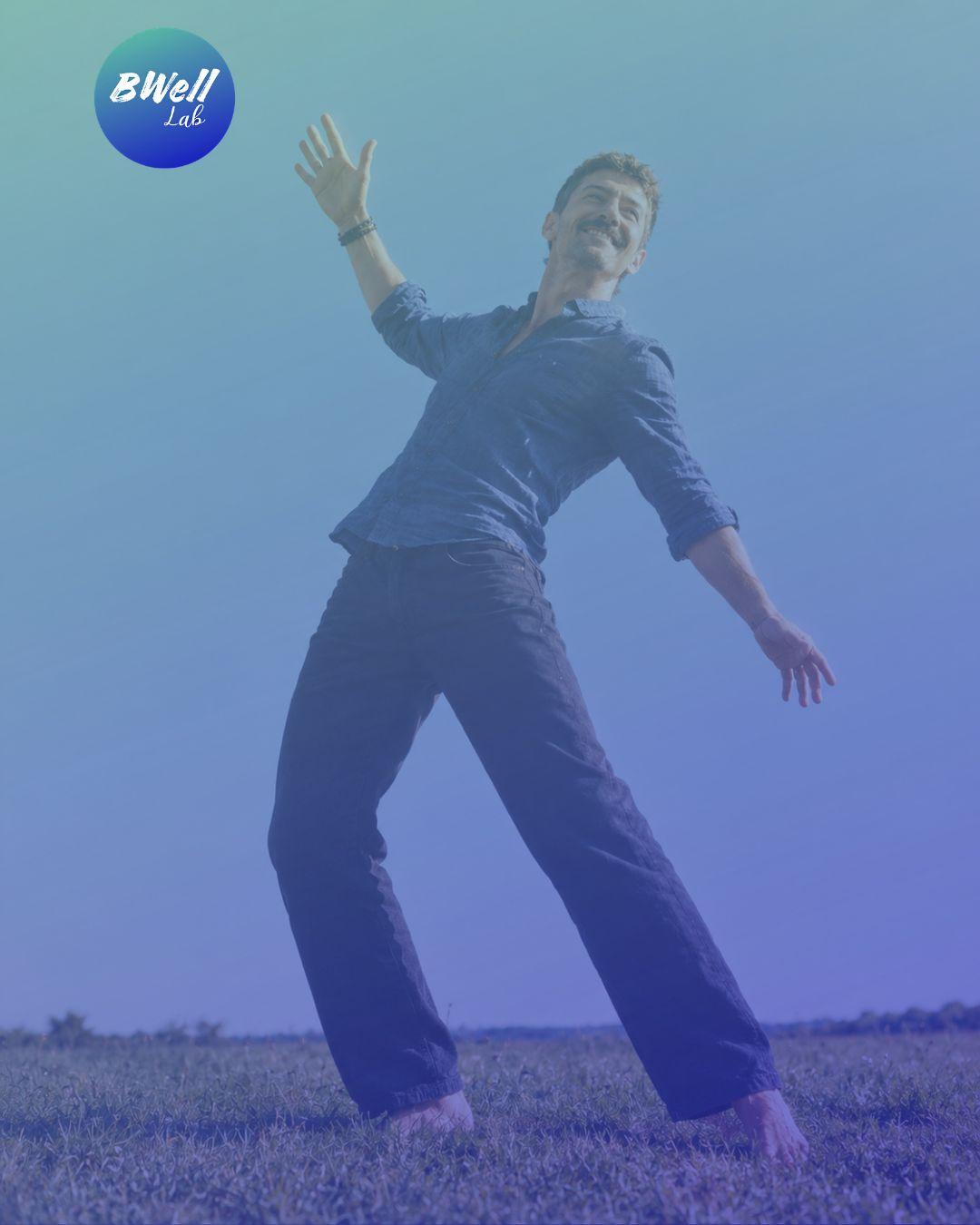
The effects of inequality and environmental crisis are also experienced through the body, mental health and access to care. In Cantabria, Papaya Association and BWell Lab brought participants together at Playa de Somo for Emotions in Movement, a session combining music, guided movement and somatic awareness. In Kano, Nigeria, Y-CARE's online campaign Art for Mental Health: Breaking the Silent, running from November 11 to December 11, uses visual arts and grassroots storytelling to challenge stigma and open conversations about psychological wellbeing.
In Lagos, Ugonma Chibuzo's Prints of Us, presented at Freedom Park on November 14 and 20, uses participatory art to examine the assumptions that shape trust, inclusion and everyday social relations. From Abuja, spoken-word artist Aziba Ekio shares A Feminist Letter to a Mad President, a work confronting patriarchal power and demanding justice through the force of the spoken word.
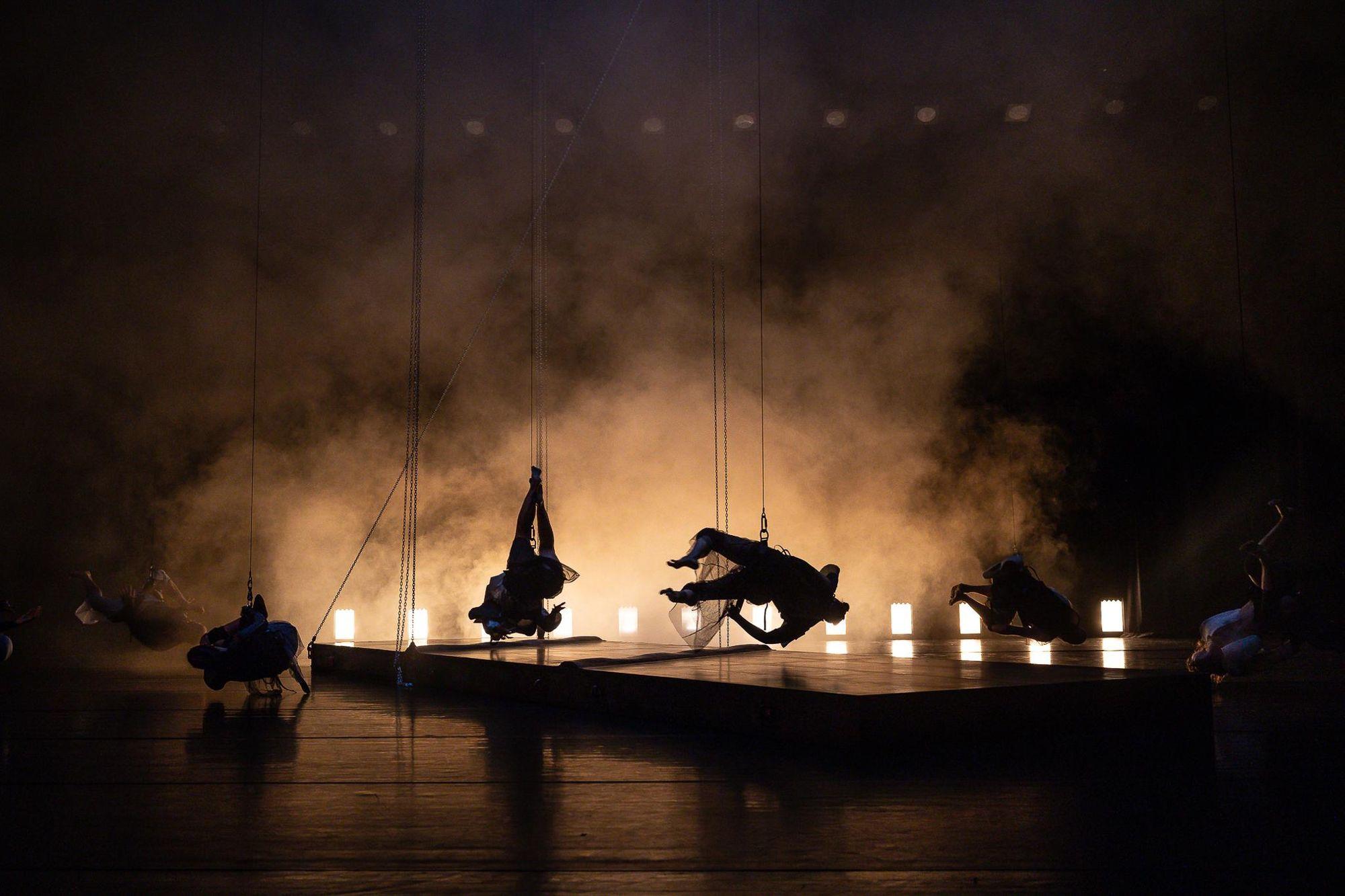
In Berlin, Spore Initiative's research-creation laboratory Coral practice: networks of care, facilitated by Carmen Caro with the collective Palabreras y Callejeras, explores mutual aid, affective mapping and the redistribution of privilege. In Brno-Židenice, Feste Theatre stages Jak chutná moc (What Power Tastes Like) on November 13. Set in an abandoned building, the performance examines corruption, political power and the erosion of ethical responsibility.
In Zurich, the School of Commons held Accessibility and Inclusivity in Digital Learning and Working Spaces, a workshop on November 3 that brought participants together to develop a “living glossary” of practices and conditions for more accessible online environments. Part of a research initiative supported by Stiftung Mercator Schweiz, the session builds on the group's work on epistemic justice and asks how digital spaces can recognise different ways of knowing and enable more equitable participation.
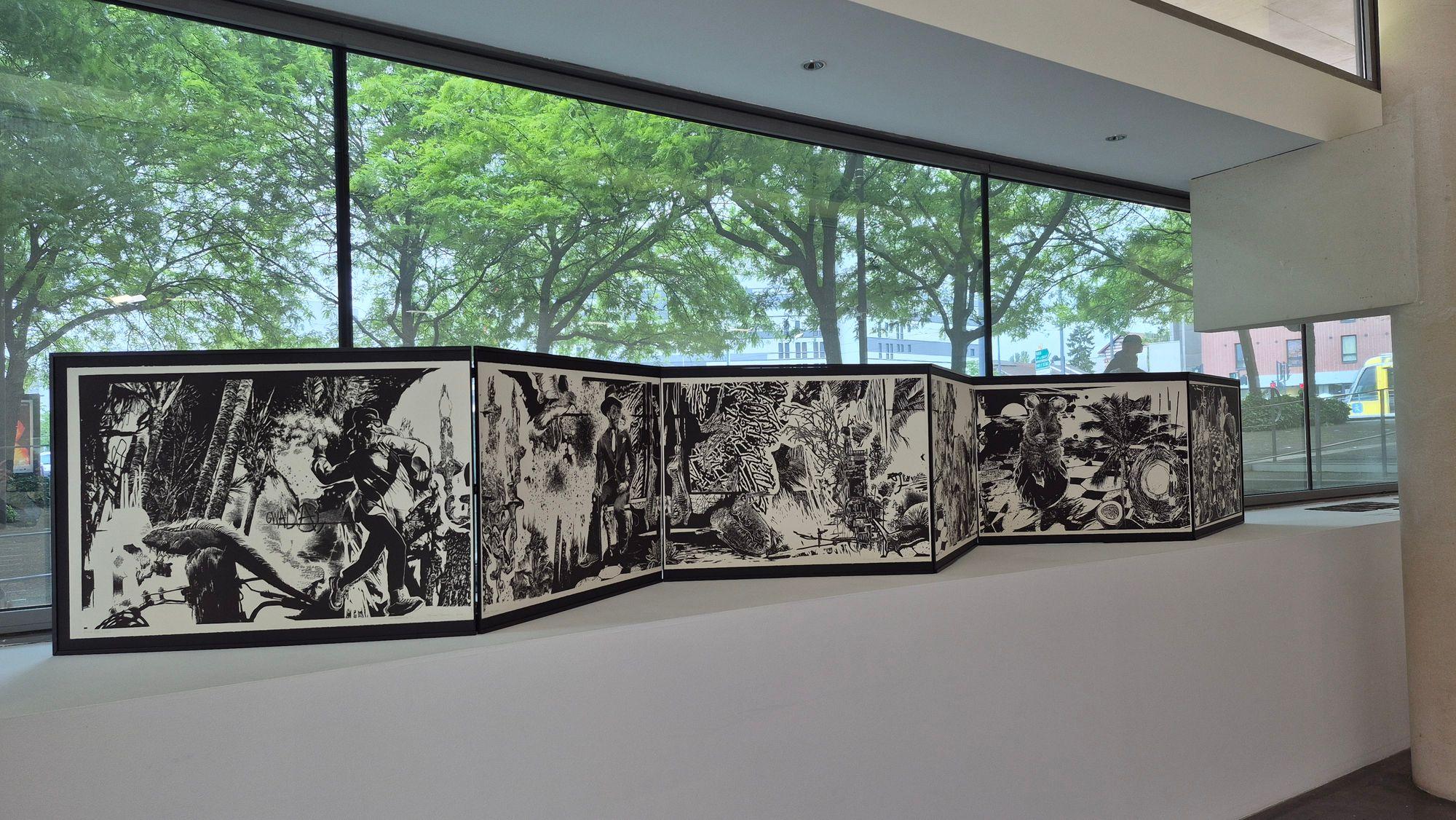
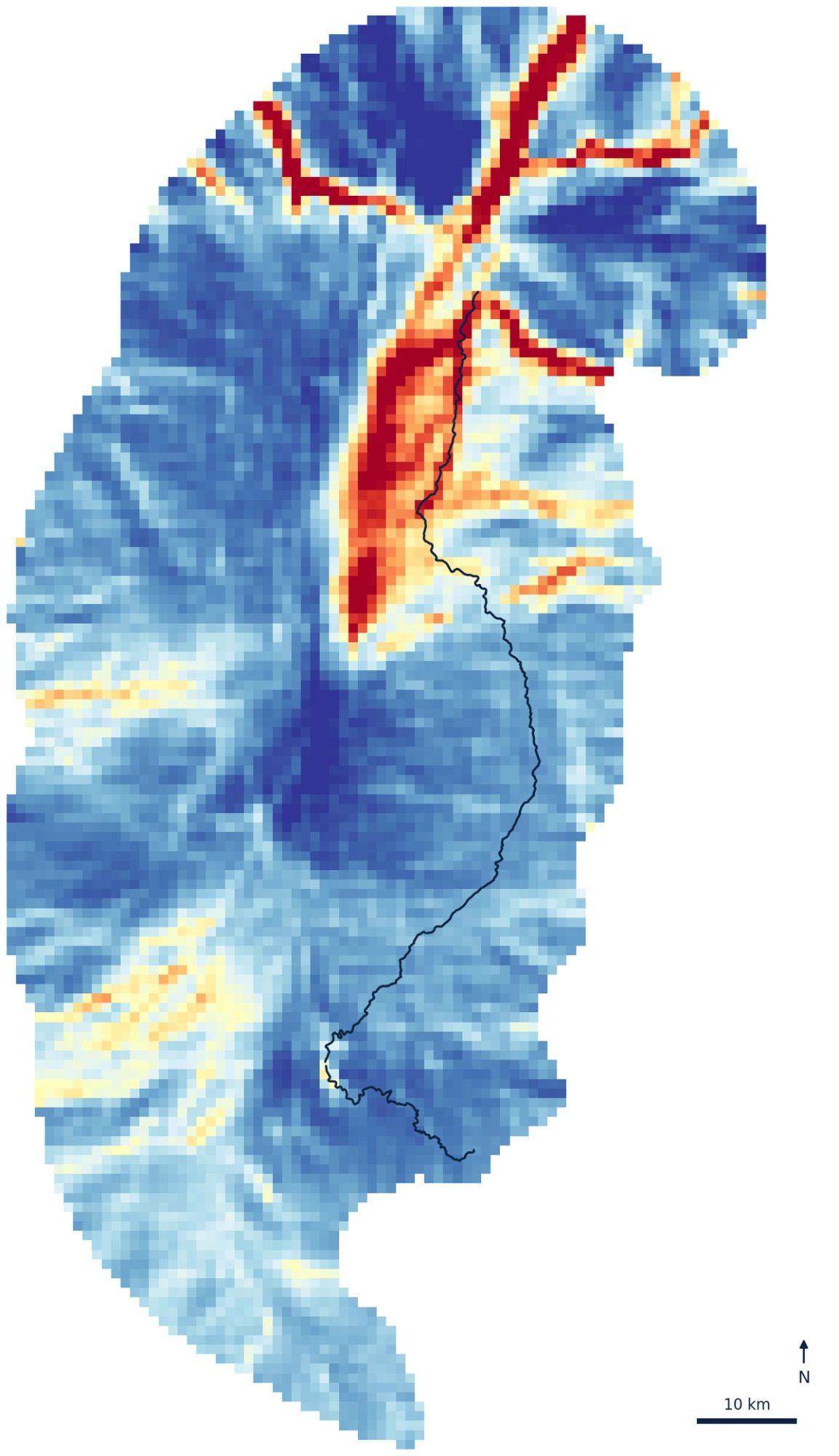
Artist and researcher Linda Angulo Lopez's Movement, Water, Connection, presented throughout November, brings together field drawings and GIS mapping from Portugal's Greater Côa Valley. Her work traces potential wildlife corridors across a landscape fragmented by dams, roads and wildfires, asking how ecological connections can be recognised and protected. Learn more →
Palestine Cinema Days Around the World
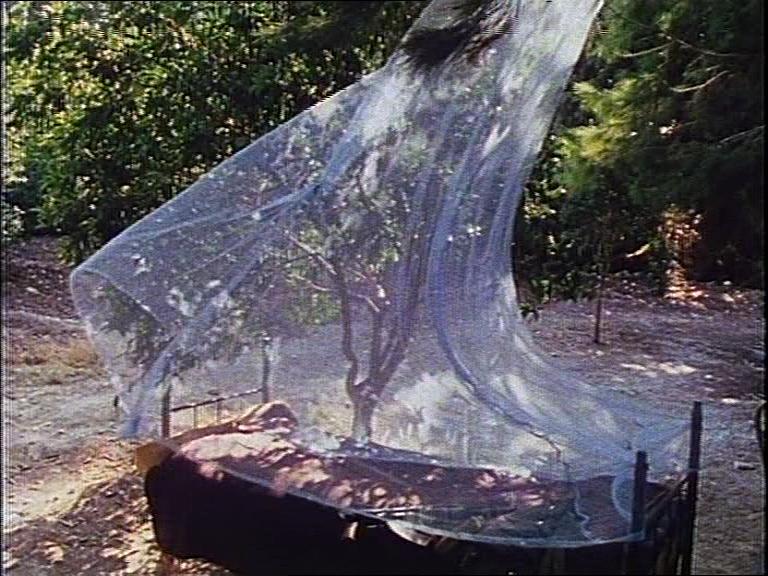
From Antwerp and Paris to Lagos, Oslo and Zurich, Palestine Cinema Days Around the World brings Palestinian cinema into cinemas and cultural spaces in 18 countries. Organised by Filmlab: Palestine, the festival keeps Palestinian stories in public view, connecting audiences with the richness of Palestinian filmmaking and sustaining its presence in the cultural life of communities around the world.
You can join in too
Global Artivism Month continues until 10 December. You can join the movement by putting yourself on the map, sharing your art or listing a November event.