In Thailand, the student uprising of October 1973
brought students, artists, writers and other groups into a broad movement demanding a democratic constitution and an end to military rule. In the years that followed, artists and cultural groups developed practices that connected art with public life and social struggle, including the Artists’ Front of Thailand and the street exhibition People’s Art in 1975. In Indonesia, the fall of Suharto in May 1998 opened a period of political transition known as Reformasi. Artists and activists took part in the demonstrations and public gatherings surrounding this moment, using political theatre and circulating images to challenge authoritarian power and debate the country's future. These histories offer distinct examples of how artistic practices can enter public space, participate in political movements and make room for voices excluded from dominant narratives.
This dispatch brings together three initiatives across the region. In Bangkok, an exhibition explores queer identity, inherited cultural values and belonging. In Aceh, a women's collective brings its process of learning and reflection into a public setting through art. And from Malaysia, an online strategy session hosted by Art & Soul Global addresses artistic freedom and the challenges faced by artists working under political repression.
Making room for queer identities in Bangkok
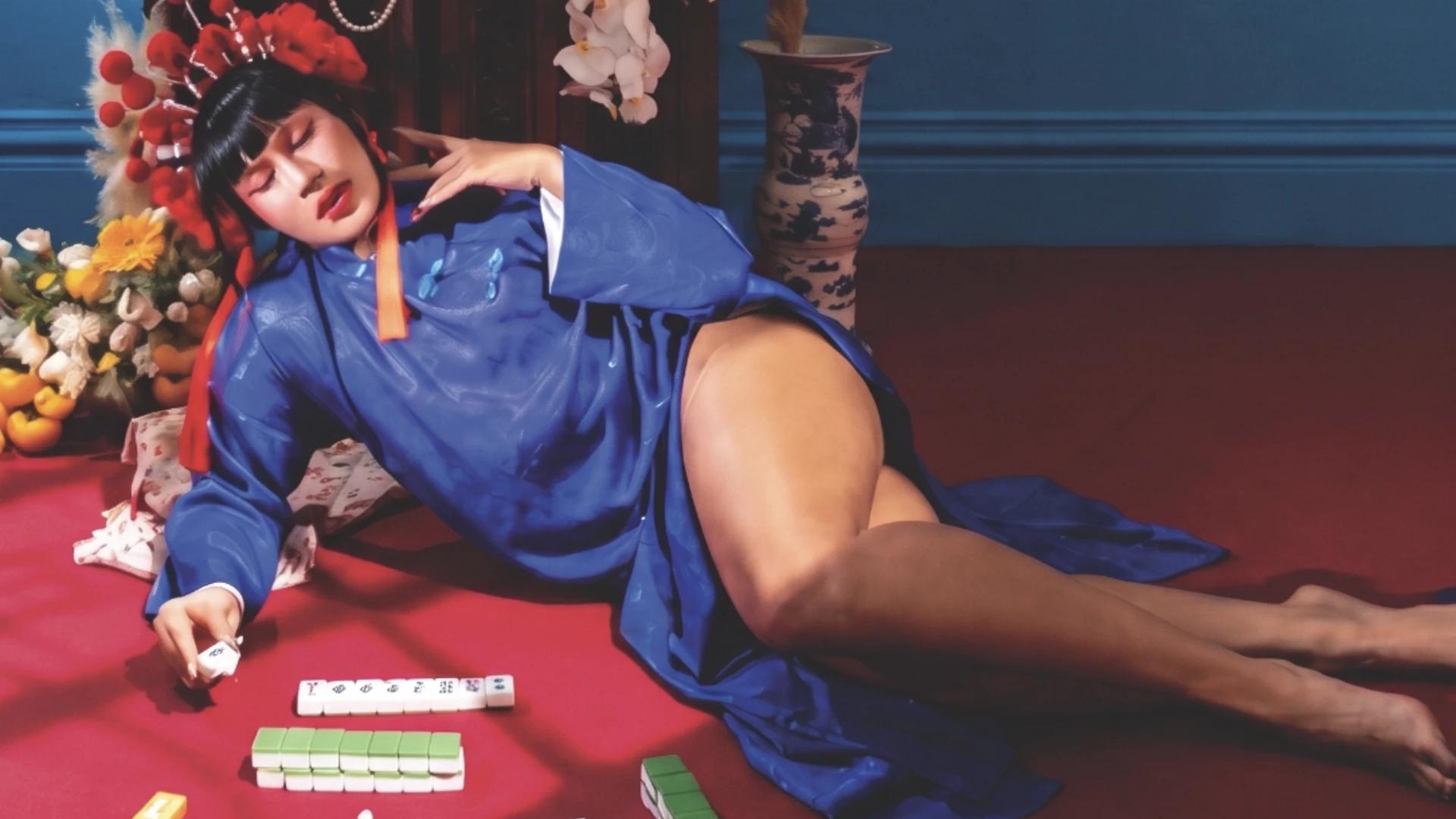
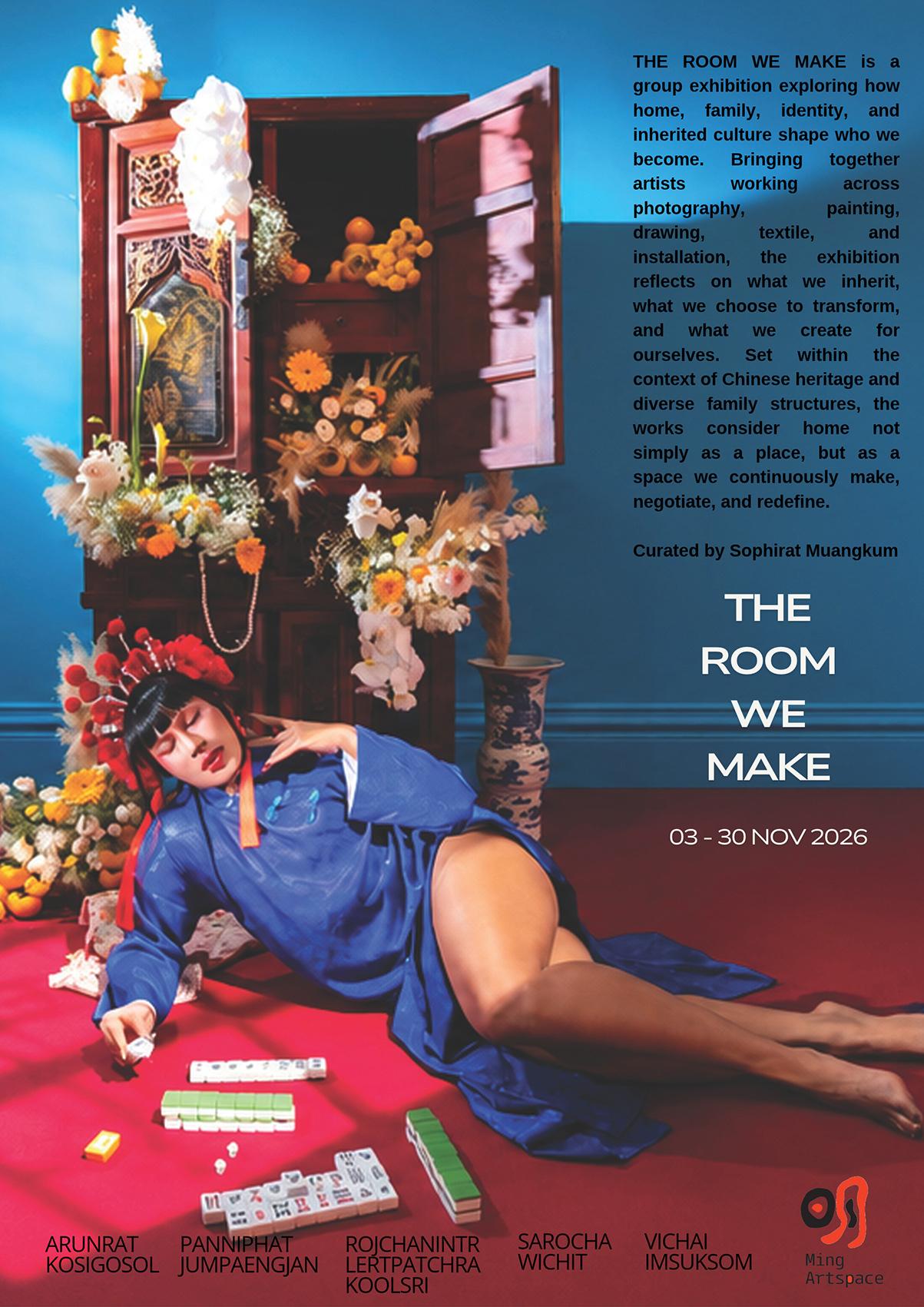
In Bangkok, Thailand, The Room We Make brings together artists to explore queer identity, inherited cultural values, family and belonging. Organised by Sophirat Muangkum with Ming Artspace, the exhibition runs from 3 to 30 November. Its starting point is the question of what we inherit before we are old enough to choose — family expectations, cultural traditions, beliefs and ideas about identity. The exhibition considers what happens when people begin to question, transform or redefine these inheritances. Making room for different ways of living and understanding oneself becomes a way of examining the social frameworks that shape belonging. Learn more →
Women's collective learning and artistic practice in Aceh
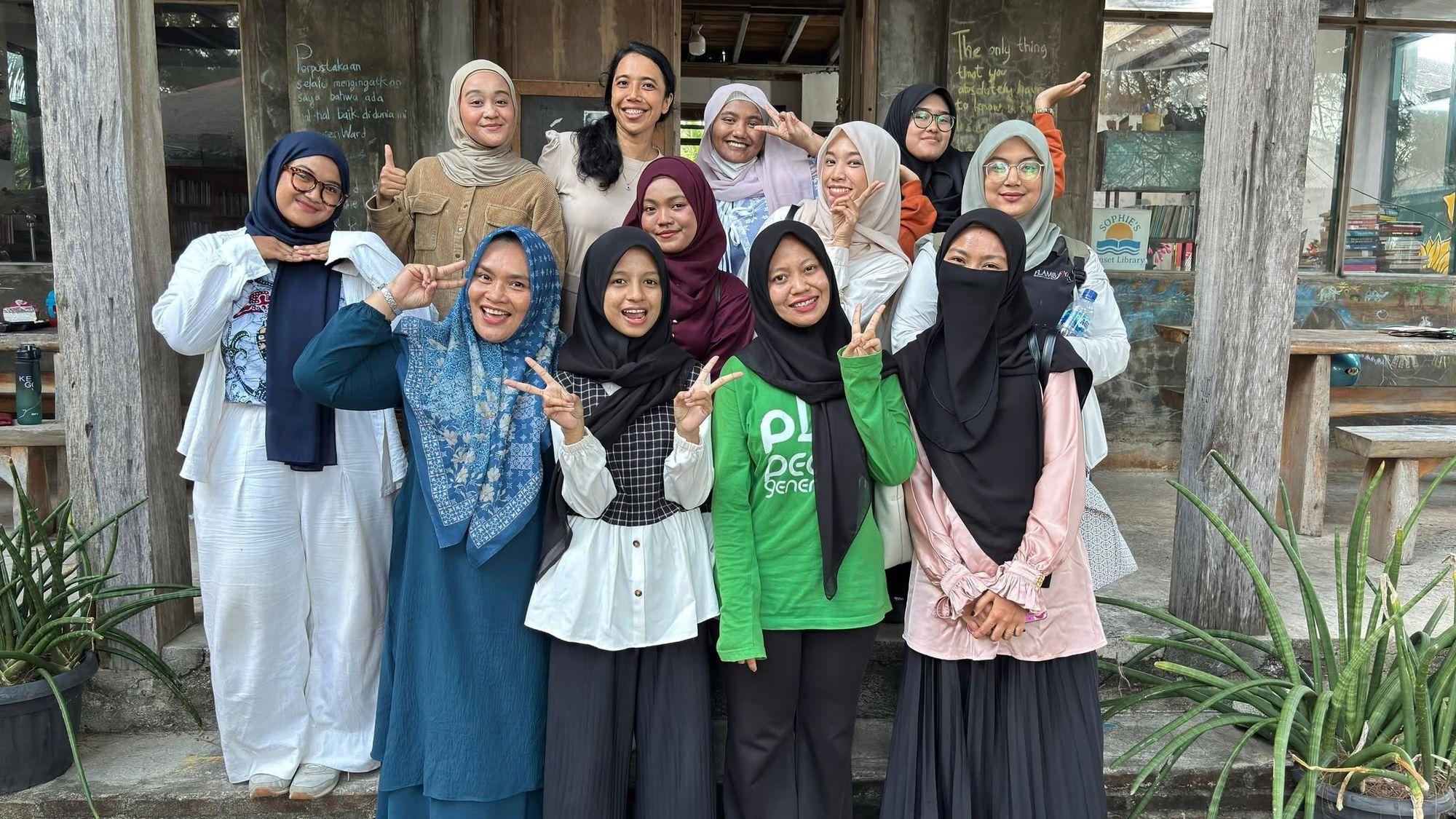
In Banda Aceh, Indonesia, Peer Support for Women and KontraS Aceh are organising an exhibition as part of the 16 Days of Activism against Gender-Based Violence, from 25 November to 10 December. The project grows out of a women's peer-learning group studying how patriarchy operates in everyday life. Through artistic work, performances, screenings and dialogue, the group brings its shared process of reflection into a public setting. Its approach recalls a broader tradition of Indonesian collective art, in which artistic production and political education have been closely connected. Learn more →
Artistic freedom and collective strategies against repression
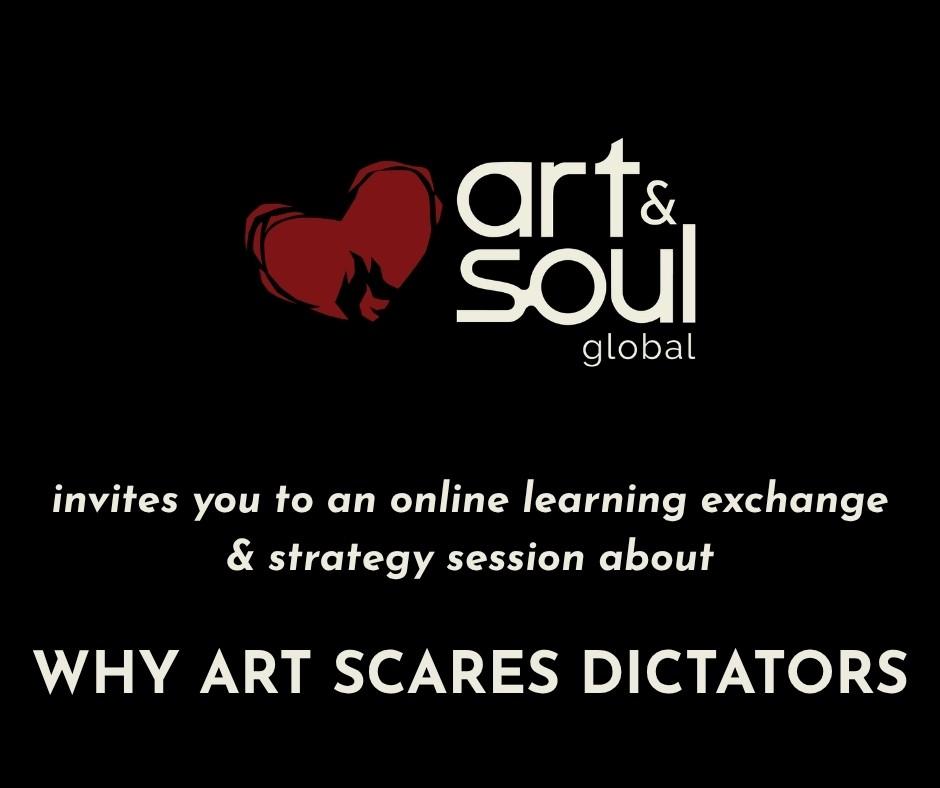
The third initiative turns directly to the conditions that make artistic expression possible. Why Art Scares Dictators, organised by Art & Soul Global and facilitated in English by its founder, Ming Yu Hah, is an online learning and strategy session hosted from Malaysia. Art & Soul Global supports artists working under repression, persecution and discrimination, and advocates for artistic freedom and the protection of artists. The session explores how artistic freedom and diversity of expression can contribute to countering and transforming repression and violence. Participants will share initiatives, strengthen strategies through collaboration and coordination, and identify actions to build collective momentum. The organisers also acknowledge the security concerns involved in this exchange, allowing participants to turn off their cameras or use acronyms and advising them not to share overly sensitive information during the meeting. Learn more →
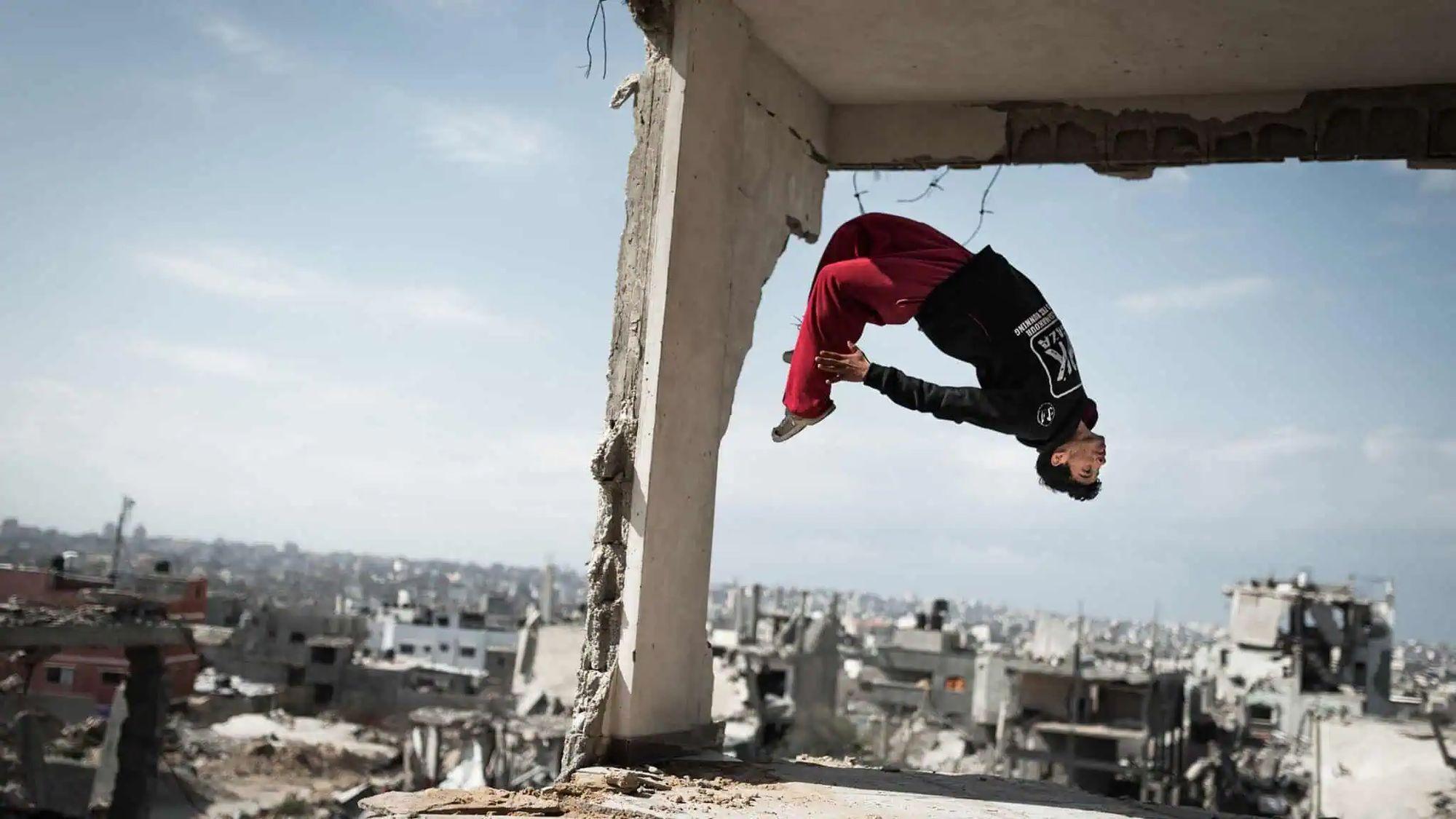
Together, these initiatives show how art can challenge official narratives, make visible experiences that are pushed to the margins, and honour the struggles for women's rights, equality and a life lived with dignity. Through collective creation, learning and exchange, artistic practices become ways of building solidarity, defending freedom of expression and imagining futures shaped by the people who inhabit them. They remind us that the power of art also lies in its capacity to bring people together, strengthen collective agency and make other possibilities imaginable.
Palestinian cinema across Southeast Asia
Across Bangladesh, Cambodia, Indonesia, Malaysia, Thailand and Vietnam, Palestine Cinema Days Around the World, organised by Filmlab Palestine, brought Palestinian cinema to audiences in a coordinated wave of screenings over the first days of November. From Dhaka and Phnom Penh to cities across Indonesia, Malaysia and Thailand, and Hanoi in Vietnam, screenings took place in libraries, bookshops, independent cultural spaces and other local venues.. This remarkable regional gathering is a shout-out to everyone who made space for Palestinian cinema, and to the audiences who came together across borders to watch, share and keep these stories in circulation. Explore Palestine Cinema Days Around the World.
You can join in too
You can join in too. Put yourself on the map, share your art or list your November event. Free practical guides are available on the Global Artivism website. From 3 to 7 November, the Global Artivism Convening begins. Hosting something this November? Put it on the map.