When governments and institutions fail to protect communities, uphold rights or deliver justice, people turn to their own knowledge, cultural practices and networks of solidarity. Through documentary cinema, music, theatre, poetry and grassroots organization, they defend their histories, confront systems of exclusion and make other ways of living together visible. These struggles emerge from specific places, yet their connections reach across borders, revealing how collective action can become a force for social transformation. From Chad and Lebanon to South Africa, East Africa and Palestine, this moment brings together initiatives that challenge the conditions shaping people's lives while creating spaces for collaboration, collective learning and emancipation.
The food we eat, the stories that are told
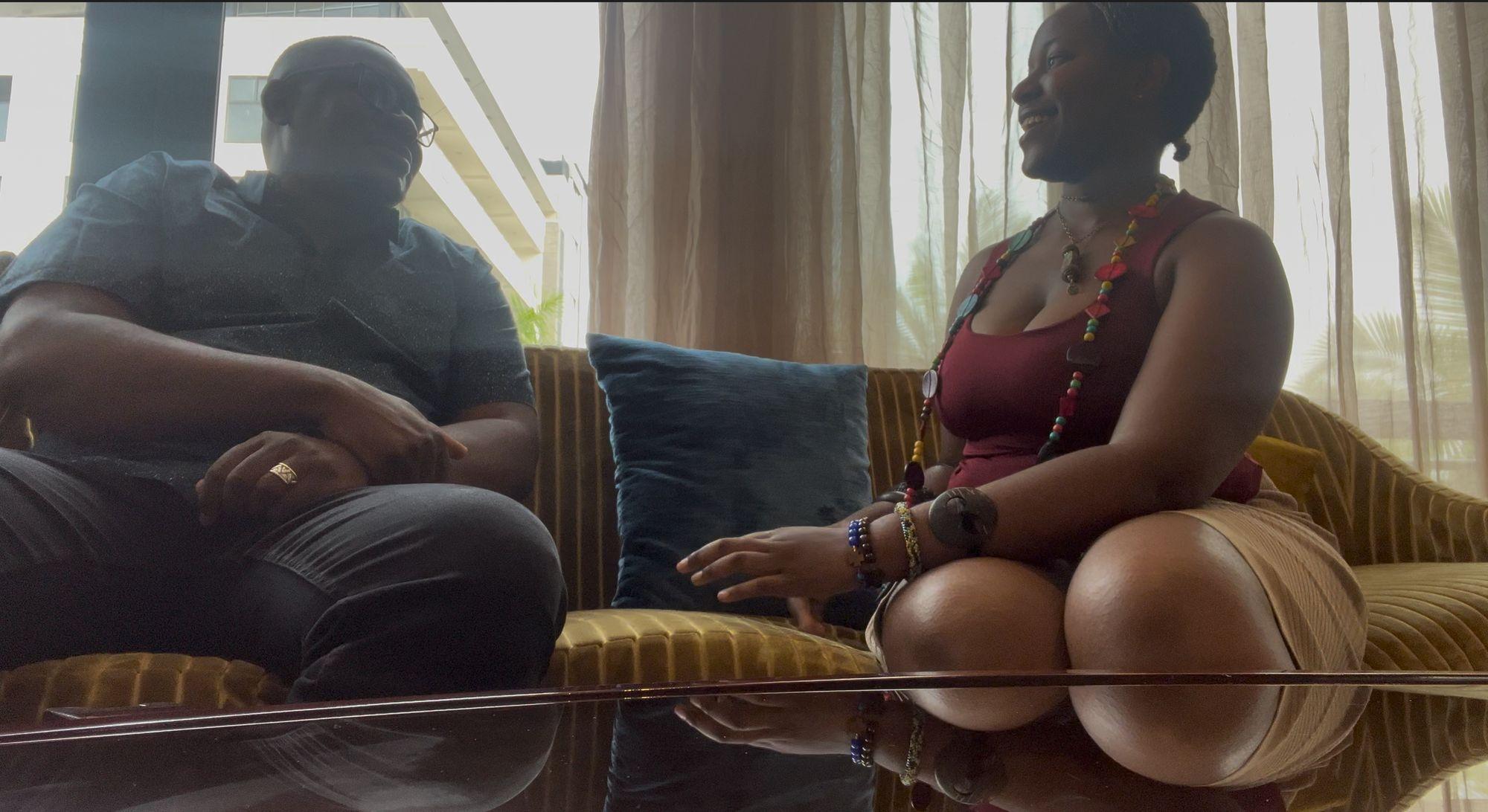
From November 5 to 26, the ALIMENTERRE Festival brings documentary screenings and public discussions to N'Djamena, Sarh and Moundou in Chad. The festival opens conversations around food sovereignty, agricultural practices and sustainable food systems, connecting the choices made around food with the conditions in which it is produced. By bringing these questions into local communities, the screenings create opportunities to share knowledge, examine the pressures affecting food production and imagine more equitable relationships between people, land and resources.
Building cultural spaces through uncertain times
From November 25 to December 3, The Festival Academy and Oaken will host Oaken Lab at Oakenhouse in Lebanon. Bringing together festival leaders, artists and cultural practitioners, the gathering explores how cultural organizations can adapt and sustain their work amid political, financial and logistical uncertainty. Based in Lehfed, Oakenhouse is also home to Oakenfest, an annual gathering that has developed around exchange and collaboration. Oaken Lab considers festivals as living cultural infrastructure, sustained through relationships, shared knowledge and the commitment to keep spaces for cultural encounter open. Collective encounters sustains these possibilities, carrying them across generations and borders, towards futures grounded in justice and human dignity.
Young people shaping the cultural landscape
In South Africa, Heal The Hood Project, founded by hip-hop activist and educator Emile Jansen, marks Positive Music Video Month from November 1 to December 10. The initiative shares music videos created by schoolchildren from the Cape Flats, using hip-hop, dance, music and visual expression to support youth development and community education. The project gives young people the means to represent their own experiences and challenge the narrow narratives that often define their communities through violence and exclusion.
During the same period, Stages of Change, an initiative by ASSITEJ South Africa, brings attention to artists and cultural projects working with children and young people. Running across social media from November 1 to December 10, the initiative aligns with the wider period of activism against gender-based violence. Through theatre, performance and artistic catharsis, it highlights the role of creative practice in addressing questions of safety, equality and the relationships that shape young people's lives.
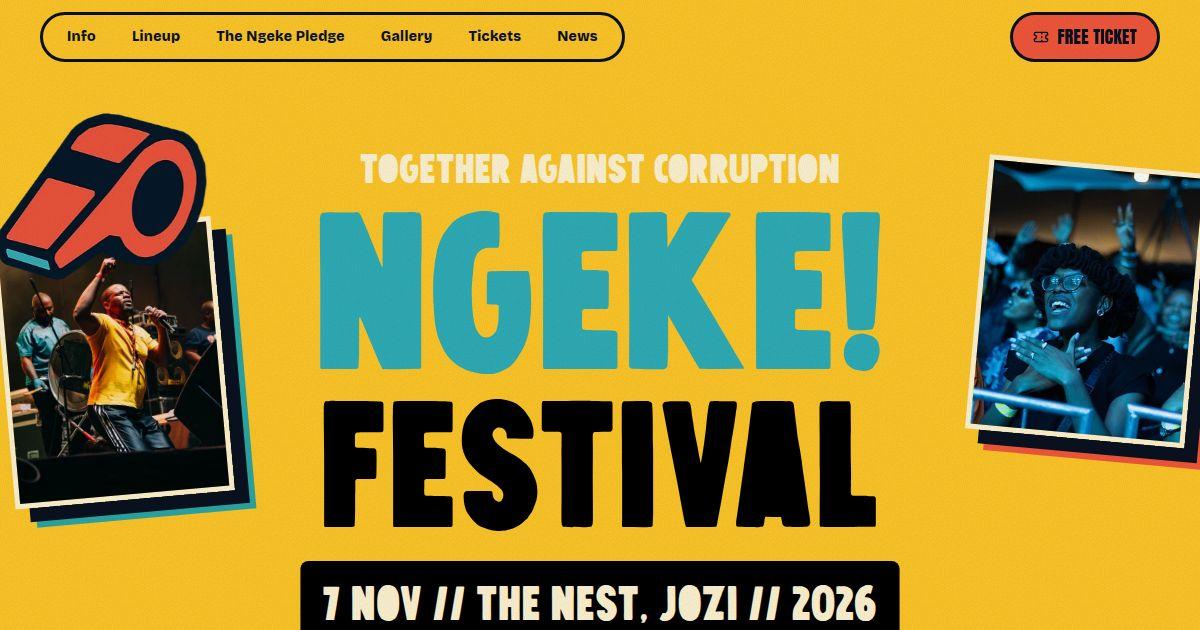
On November 7, Johannesburg's The Nest hosted Ngeke! Festival, a free music gathering organized through the JMI Fair Play initiative. Working with partners including the European Union Delegation, Transparency International, Corruption Watch and the Public Protector, the festival brought music and civic participation together around the rejection of corruption. Its public pledge connects accountability to everyday choices, inviting audiences to consider how collective responsibility can contribute to more transparent institutions.
It’s for Us, It’s for the Earth
Across Uganda, Kenya, Tanzania and Rwanda, the East African School Poetry Championship, organized by Vine Centre for Advocacy International, is preparing a new regional cycle under the theme “Voices for a Greener Tomorrow.” Schools will work on their entries through November and December, ahead of regional competitions in January 2027. Spoken word becomes a way for young people to address climate change, conservation and sustainability, bringing environmental concerns into public conversation through their own language and perspectives.
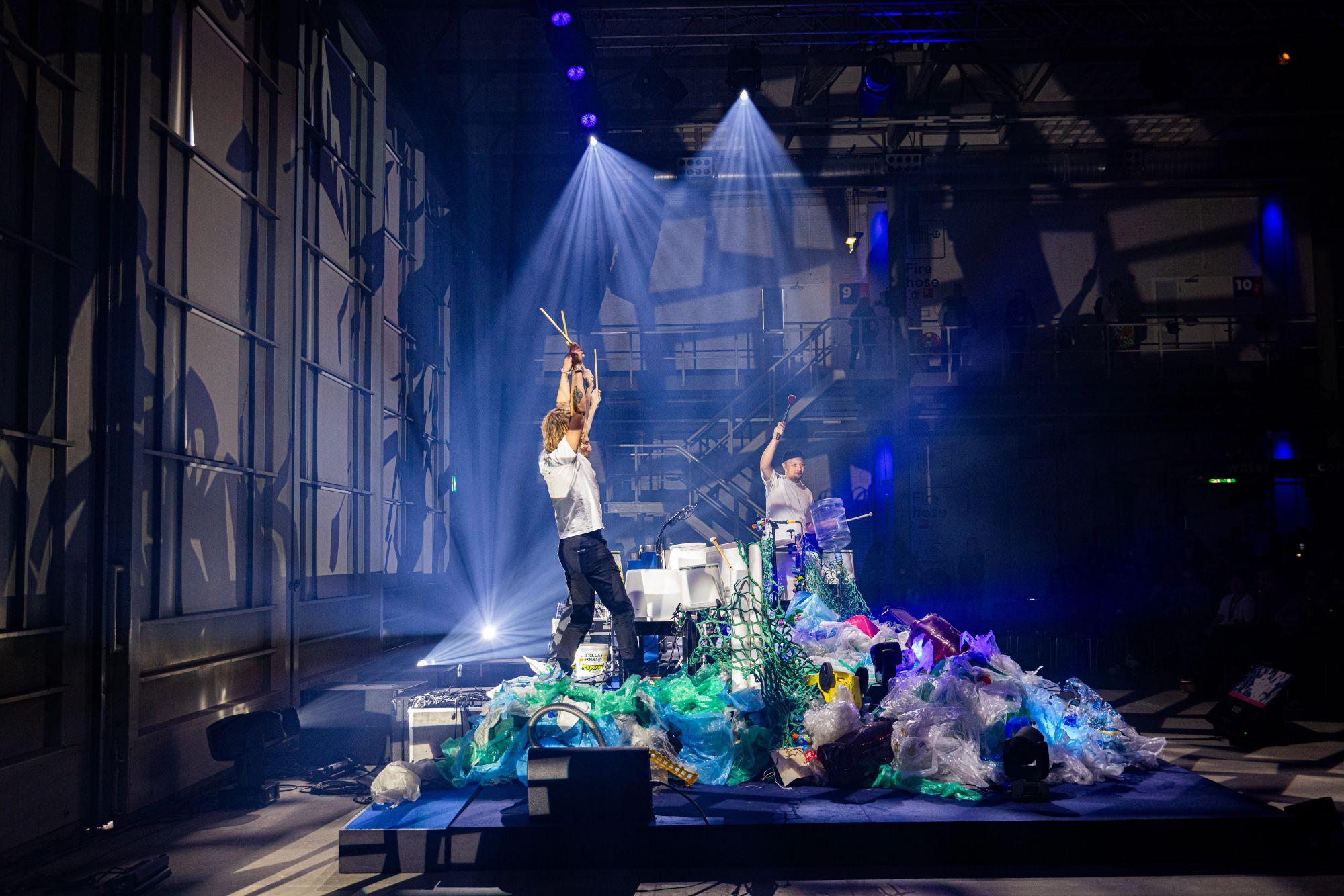
At COP31 in Antalya, Türkiye, two artistic initiatives bring climate action into the cultural programme. On November 12, the Dutch ensemble Soundtrack of the Plastic Age will perform at Türkan Şoray Cultural Centre as part of the COP TOWN programme. The ensemble builds its instruments and stage elements from recovered plastic waste, transforming discarded materials into a musical practice that makes the consequences of plastic pollution tangible. The performance is supported by the Dutch Ministry of Foreign Affairs and Muratpaşa Municipality.
Two days later, on November 14, Ugandan storyteller and artist John Kamulegeya, together with Namirembe Diocese of the Church of Uganda, will present Digging Holes in Tomorrow: From Climate Stories to Climate Action at the Uganda Pavilion. This participatory literary artivism session uses storytelling, poetry, drama and dialogue to make environmental issues visible, strengthen climate literacy and inspire youth-led action. Bringing Ugandan voices and creative practices into the COP31 programme, the presentation connects the stories communities tell about environmental change with the knowledge and collective action needed to guarantee their futures. Learn more →
Palestine Cinema Days and the collective quest for liberation
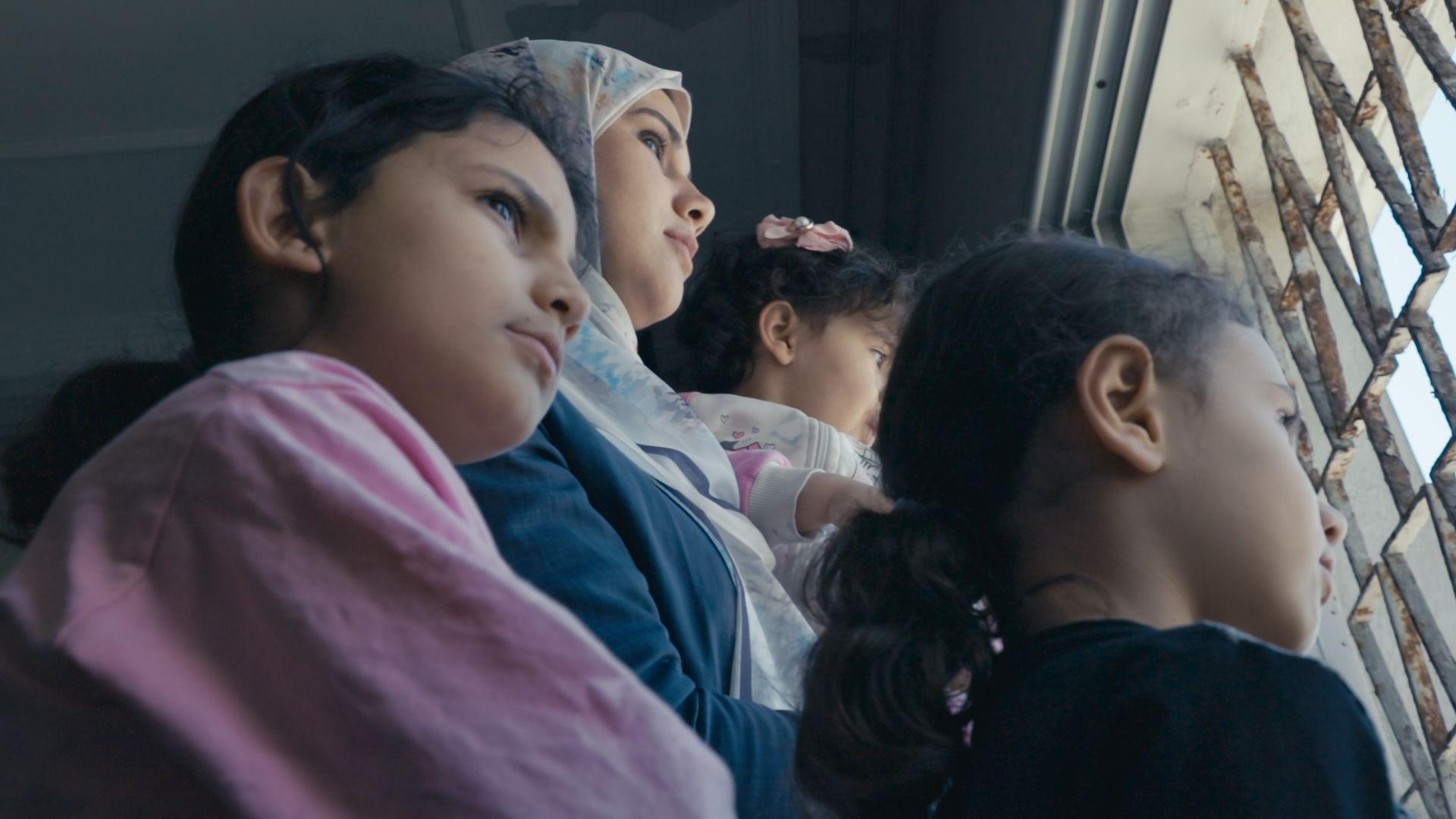
Palestine Cinema Days carries the stories of Palestinians and their struggle for liberation from Ramallah, Hebron, Bethlehem and Yafa to Amman, Beirut, Cairo and Alexandria, and on to Athens, Tirana, Sarajevo, Warsaw and Kigali. Inside occupied Palestine, showing Palestinian cinema is not only an act of dignity but also an exercise of self-determination, the right of a people to tell its stories through its own images and voices. Beyond Palestine, each screening extends that act into a shared space, one strand of a long strategy of resistance through culture that runs alongside the legal and political work to denounce apartheid and genocide. The screenings unfold as UN investigators conclude that genocide continues in Gaza, as leading human rights organisations document apartheid, and as the International Court of Justice has found that Israel’s policies in the occupied territory breach the prohibition of racial segregation and apartheid. Palestine, as the saying goes, is the compass of the world, and these screenings help audiences find their bearings. Through the breath of a shared room, Palestinian artists and filmmakers defy erasure and bring us close, in an encounter where art is felt and solidarity is embodied. Learn more →
You can join in too
Global Artivism Month continues until 10 December. You can join the movement by putting yourself on the map, sharing your art or listing a November event.