Across India, artists and cultural organisers are creating spaces where experiences that are often ignored, dismissed or silenced can be expressed and shared. Their work addresses gender-based violence, dignity and identity and the conditions that shape everyday life. Through books, films, workshops, movement and collective remembrance, these practices make room for different voices and forms of recognition.
The projects revisit the writing of history and challenge the structures that shape women's lives; others create languages for experiences of sexual violence, or use art as a practice of care. In New Delhi, an upcoming gathering will bring together film and traditional embroidery to revisit the memory of the 1984 anti-Sikh pogrom. .
Finding a Language for Experience
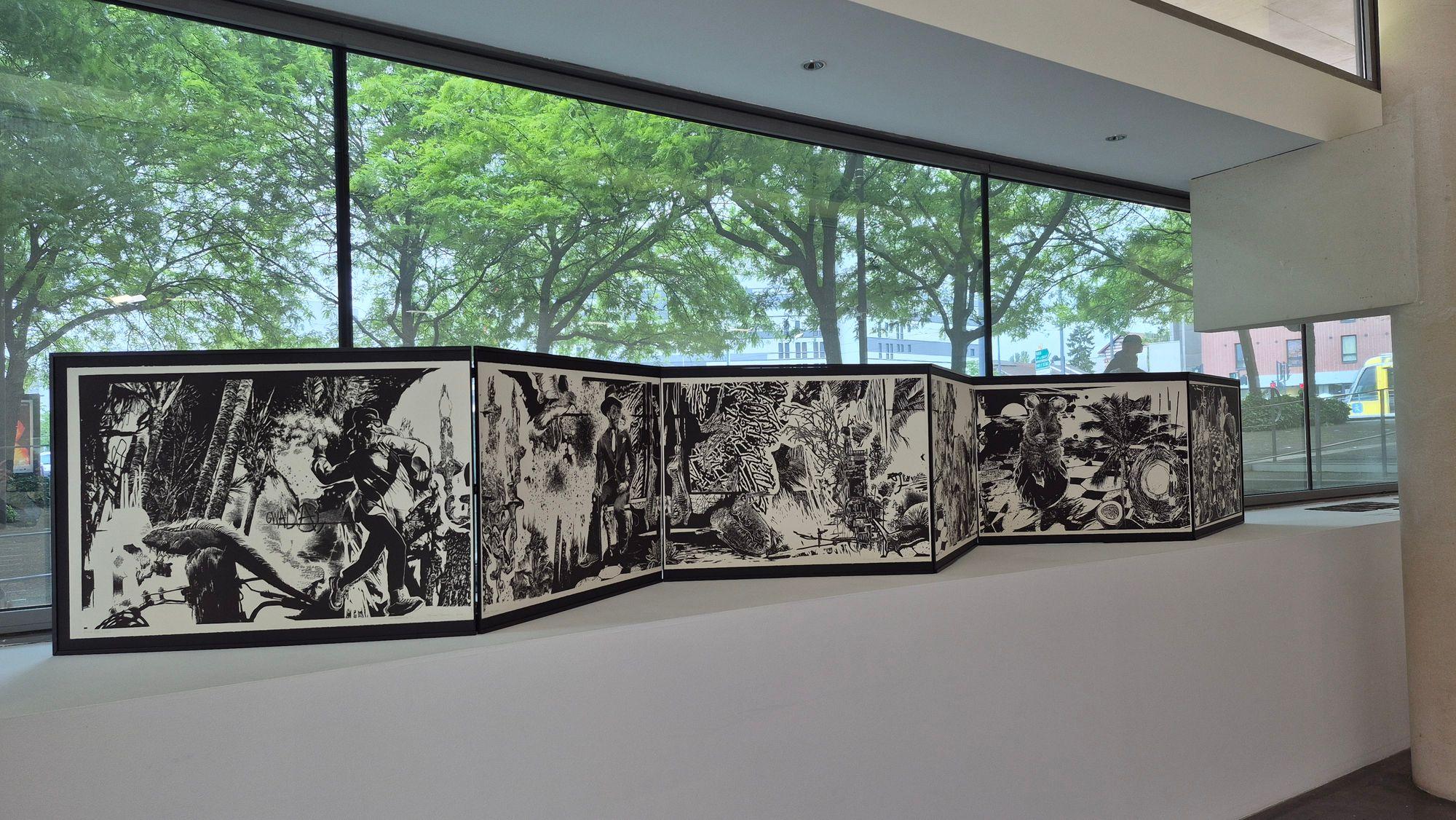
E G Parvathy Antharjanam with Level Unlocked, turns to the present, examining the distance between the language of empowerment and the opportunities actually available to young girls. The project asks what empowerment means when initiatives and activities rarely translate into meaningful changes in their lives. Across her works, she challenges the narratives used to define women's place in society and asks whose experiences are recognised, whose histories are told and who gets to shape the future. Learn more →
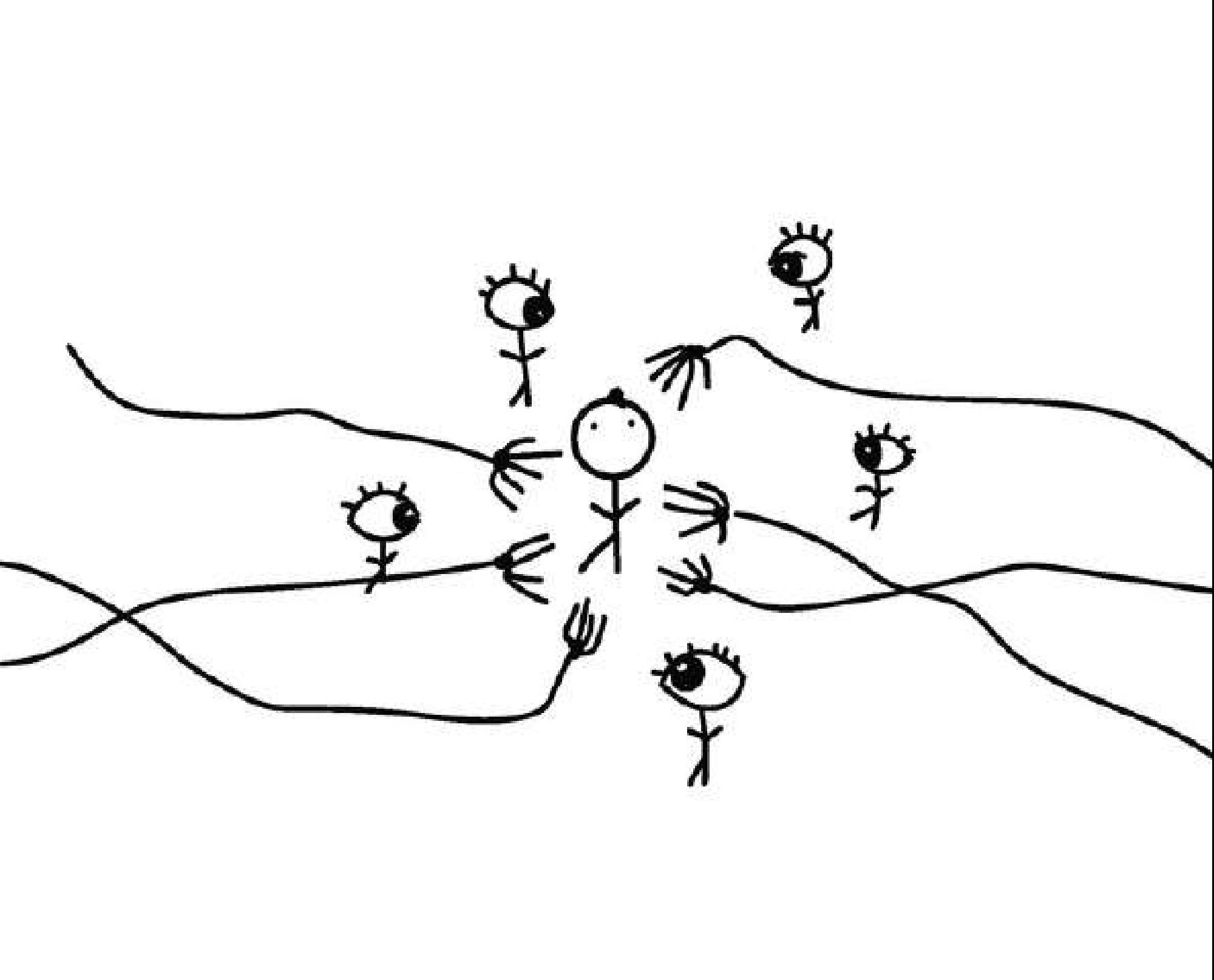
Through How the World Changes for Sexual Assault Survivors, Pragya Sikka uses Toto, a genderless drawing character, to approach the difficult subject of sexual violence. The picture book draws on her own experience and conversations with other survivors, offering a way to communicate experiences that are frequently difficult to articulate. Sikka is also involved with Friends of Toto, which develops resources around these conversations. Explore Friends of Toto.
In Delhi, Rahul Atude works with young people through Sawaal Zinda Hain, a grassroots initiative engaging queer, trans and disabled youth around gender equality and disability rights. Zindagi Milegi Na Dobara questions expectations that continue to shape ideas of masculinity, including the familiar instruction that boys should not cry. The project makes space for young people to reconsider these expectations and express themselves on their own terms.
In Kolkata, Sappho for Equality examines how gender and sexuality are policed through surveillance, control, ridicule and exclusion. Its film Chaai Chaapa brings attention to the everyday mechanisms through which people's identities and relationships are monitored and restricted. The organisation has long worked towards the rights and visibility of lesbian, bisexual and queer women and transmasculine people in eastern India. Discover Sappho for Equality.
Practices of Care and Remembrance
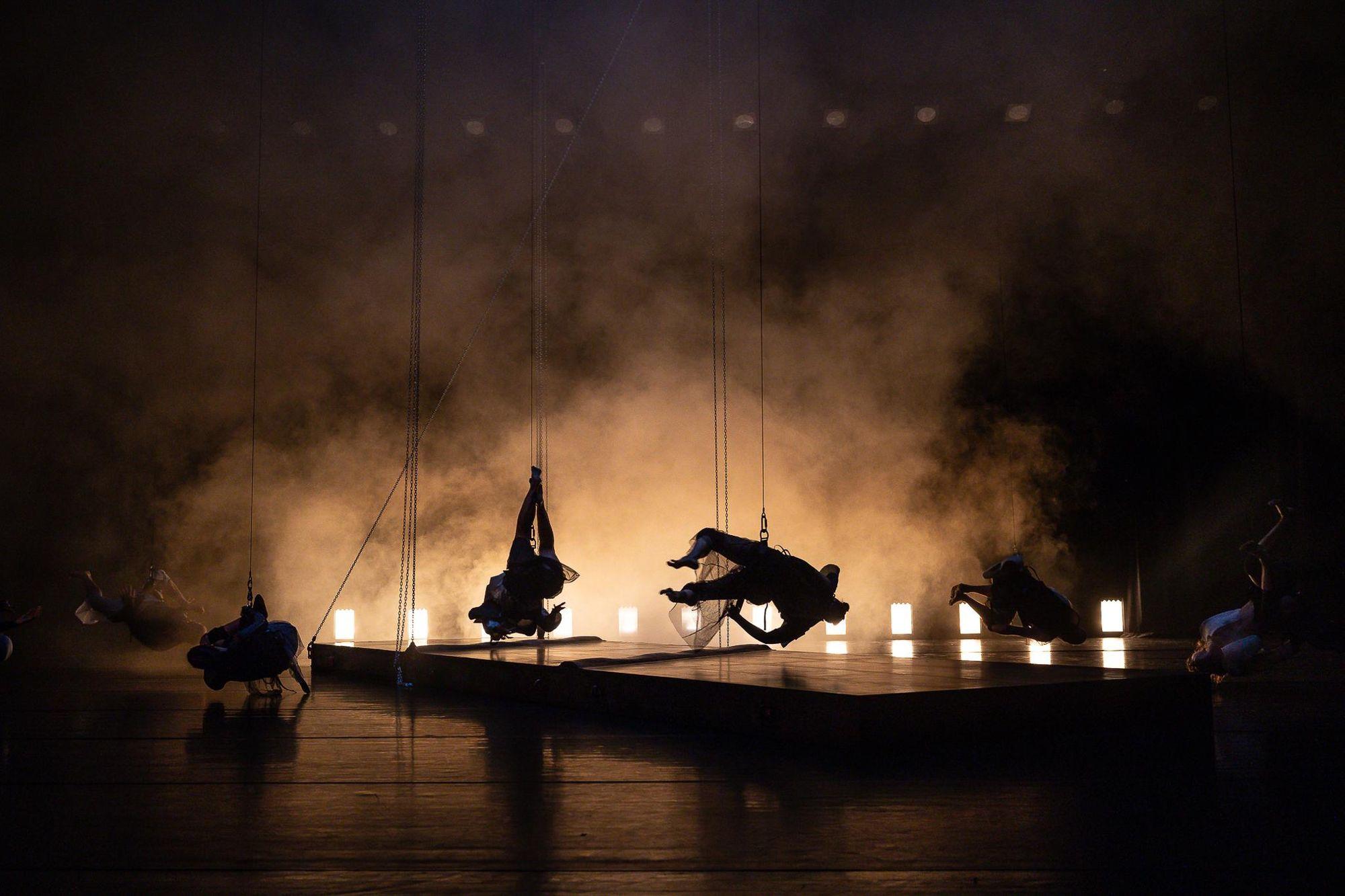
For Poulomi Pal, founder of Better Stories, artistic practice can also become a way of building relationships and supporting different forms of expression. Through Art with Heart, workshops combine Dance Movement Therapy and Therapeutic Art, working with neurodivergent groups and children with special needs. These activities approach creativity as a shared process, attentive to the different ways people communicate, move and experience the world. Learn more →
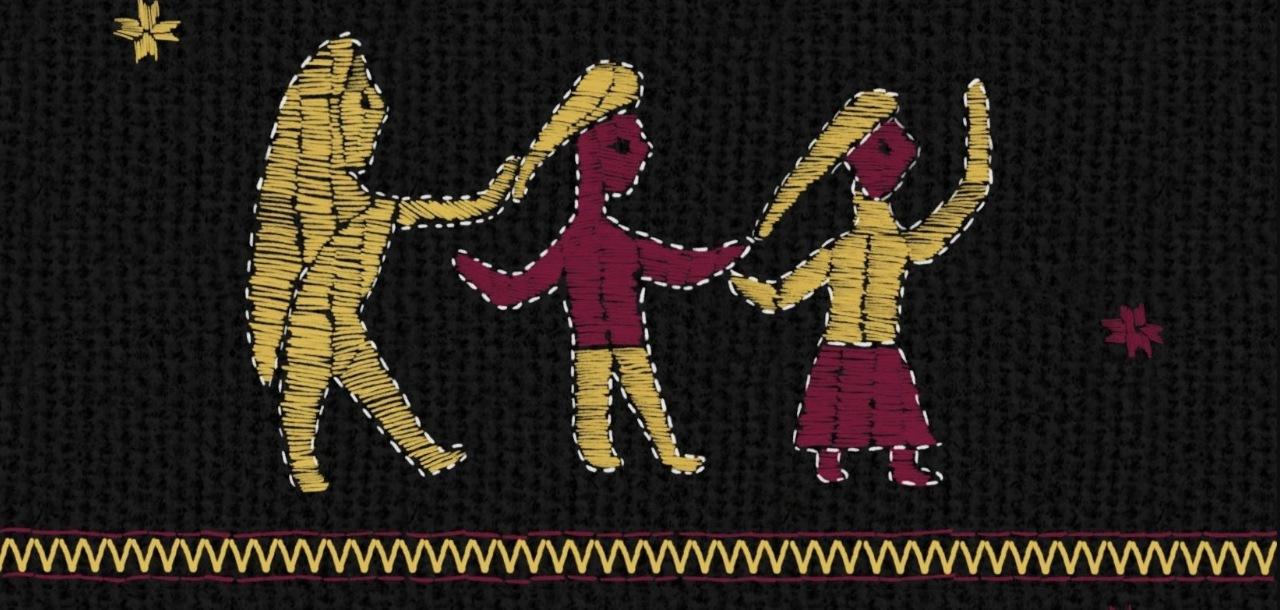
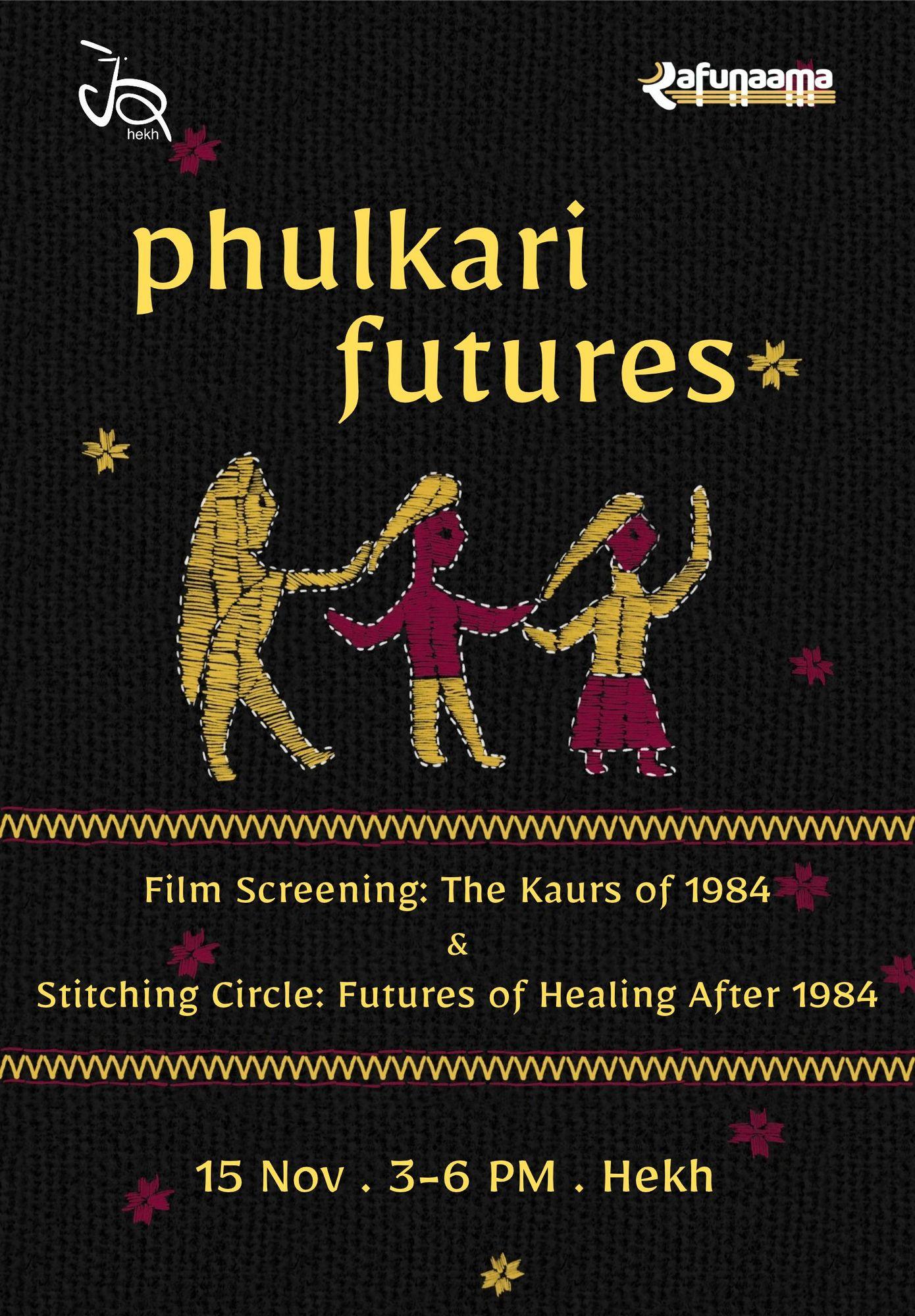
On 15 November, Rafunaama × Hekh will host Phulkari Futures: Remembering 1984 in New Delhi, bringing together a film screening and a collective phulkari stitching circle. The gathering addresses the 1984 anti-Sikh pogrom, when thousands of Sikhs were killed, particularly in Delhi, and Sikh families and communities experienced organised violence, displacement and the destruction of their homes and livelihoods. Four decades later, the struggle for justice and the transmission of this history remain urgent.
At the centre of the gathering is phulkari, the Punjabi embroidery tradition shaped and passed on through generations of women. . The practice of phulkari is celebrated as a living, evolving form of women's knowledge and collective creativity, capable of holding memory while making room for what comes next. Rafunaama · Hekh.
Palestine Cinema Across Borders
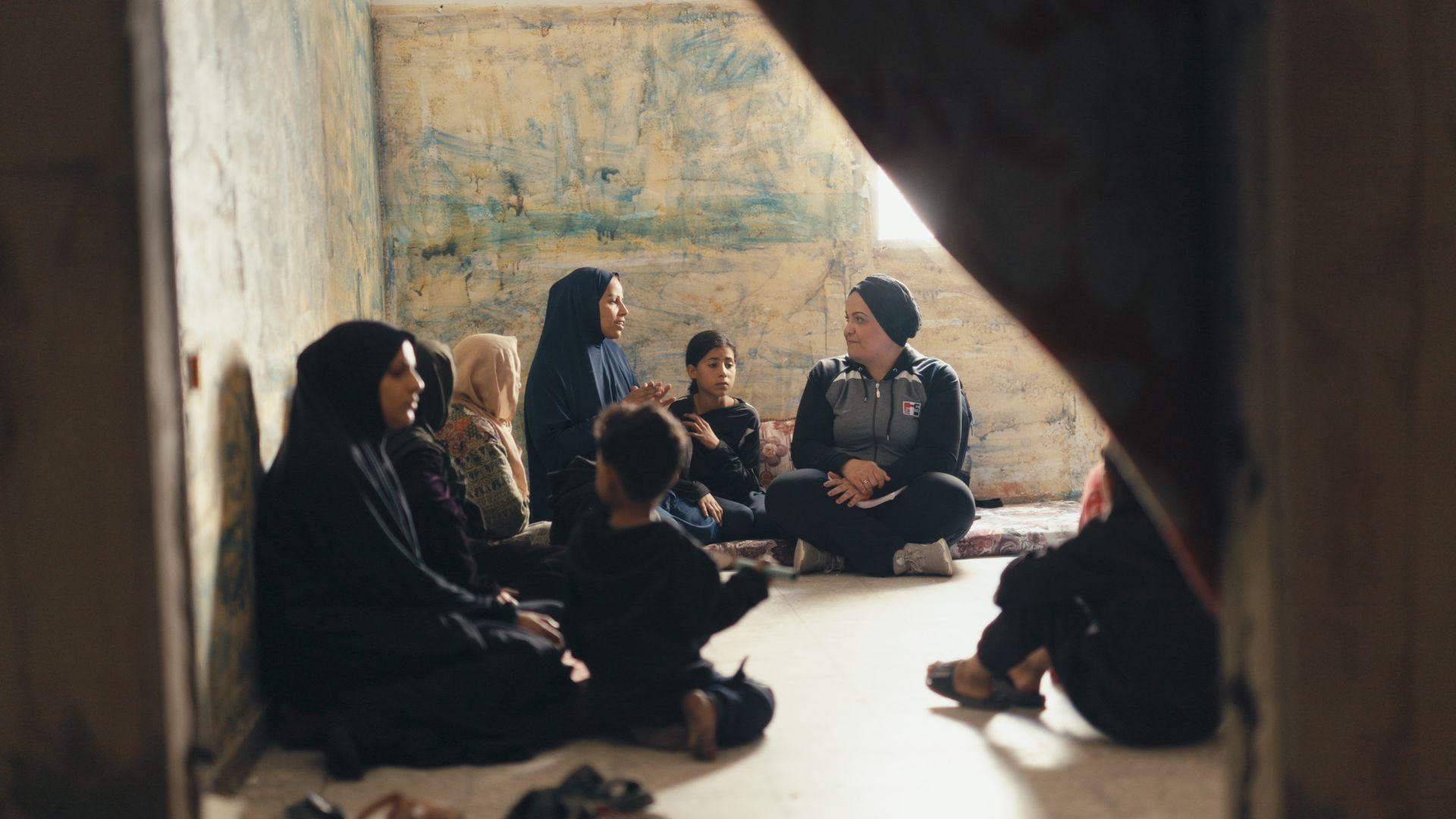
In India, screenings were held at Scrapyard The Theatre in Ahmedabad, Oralities Research Lab in Jaipur, Nirmik Cultural Center in Mumbai and a private screening in Delhi. The programme also reached Bangladesh, Nepal and the Maldives, with screenings at Government Victoria College Multipurpose Hall in Narail, Aaja Cafe in Kathmandu and Function 5 in Malé. See the Palestine Cinema Days programme.
You can join in too
Global Artivism Month continues until 10 December. You can join the movement by putting yourself on the map, sharing your art or listing a November event.