Who sustains life, and who carries the weight of the systems we depend on? Across East Africa, Madagascar and West Asia, artists, collectives and grandmothers answer from the ground. In Nairobi and Dar es Salaam, they build support networks where formal systems fall short. From the Congolese mines to Madagascar’s fields, they trace the human and ecological cost of the technology and food we consume. In Yazd and Babylon, they hold on to memory and place as both begin to fade. Together, their work shows that sustaining life is a form of power, and that culture is where it takes shape.
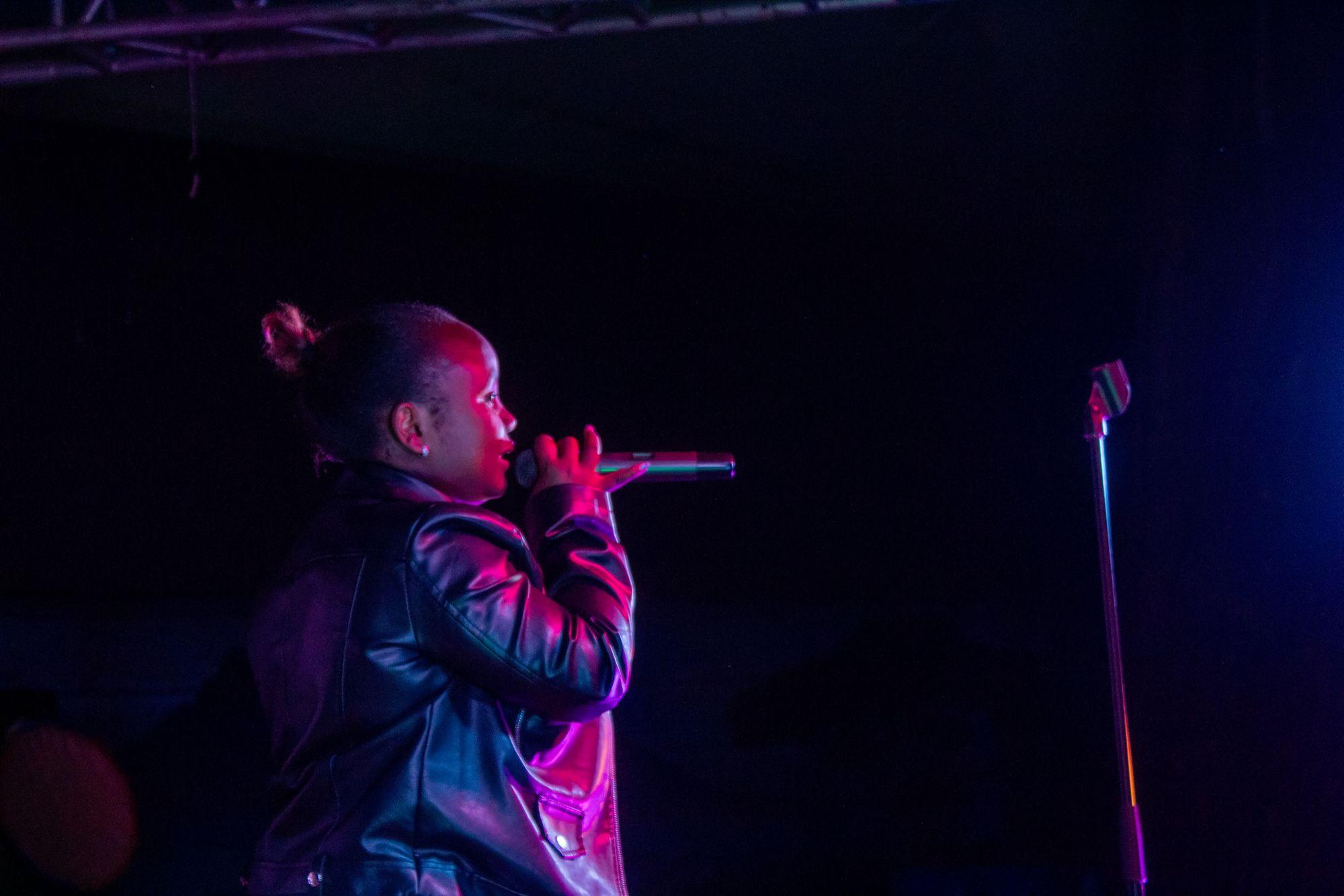
The Work of Sustaining Life
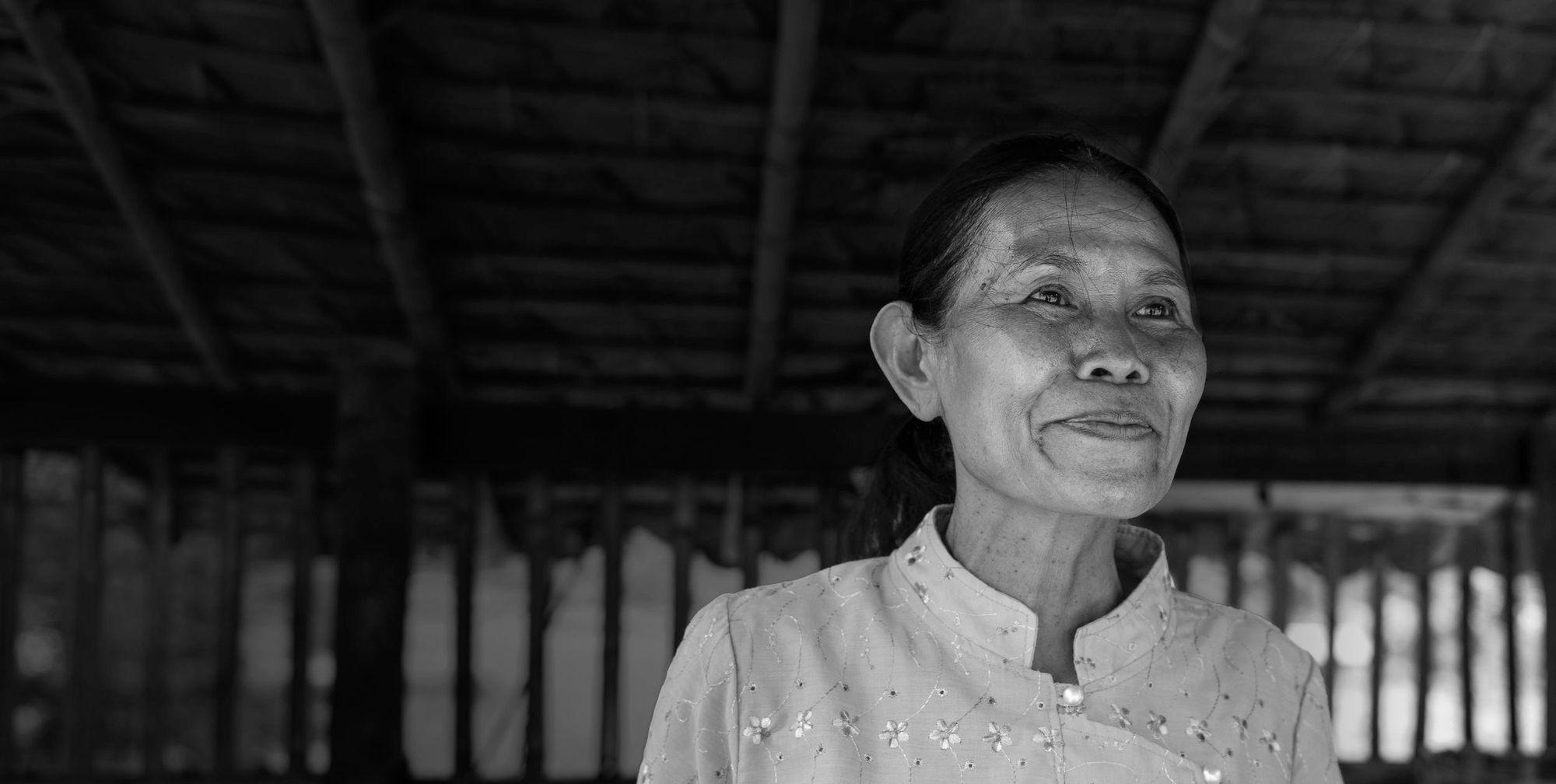
In Nairobi, the GivingTuesday Africa Hub and the Grandmother Collective host an online convening on Zoom on 9 November, Generosity, Culture, and the Systems GrandMothers Build. The one-hour session brings together grandmothers, intergenerational groups and youth leaders to share practical models of elder-led mutual aid, and it serves as a roadmap for Generosity Week. At its centre are the grandmothers themselves. Their everyday work, from feeding neighbours and raising displaced youth to keeping traditions alive, becomes the safety net that holds a community together. Learn more →
Also in Nairobi, the Smile Kiasi Experience fills the Brook Center for the Deaf and Autistic Children, on Thika Road, with artworks made by orphans and children with different capacities. Organised by the Smile Kiasi Community Organization, it brings together educators, policymakers and the public around one demand, the right to accessible, high-quality education. Learn more →
In Dar es Salaam, Urithi Arts holds its Children’s Health Festival at Magomeni Gardens under the motto “Health is a seed. Let’s plant it.” Children from local care centres receive dental, vision, nutrition and sickle cell screenings, along with clothing, shoes, water and food. They also take part in painting and drawing workshops. Learn more →
On the Kenyan coast, Elite Stories and Tales and the Nasikosawa Initiative host The Week and Unwind at Jellybox in Malindi. Live acoustic music, spoken word and intimate theatre open a space to breathe, share and talk openly about mental health. Learn more →
The Cost of the Systems We Depend On
In Nairobi, One More Percent presents a documentary and advocacy campaign. It follows small-scale miners in the Democratic Republic of the Congo whose hazardous work extracts the critical minerals behind artificial intelligence infrastructure. The campaign raises a hard question. The digital tools that help movements organise, translate and share rely on materials extracted under conditions few of us ever see. It calls for ethical labour rights, transparent sourcing and the protection of local environments.
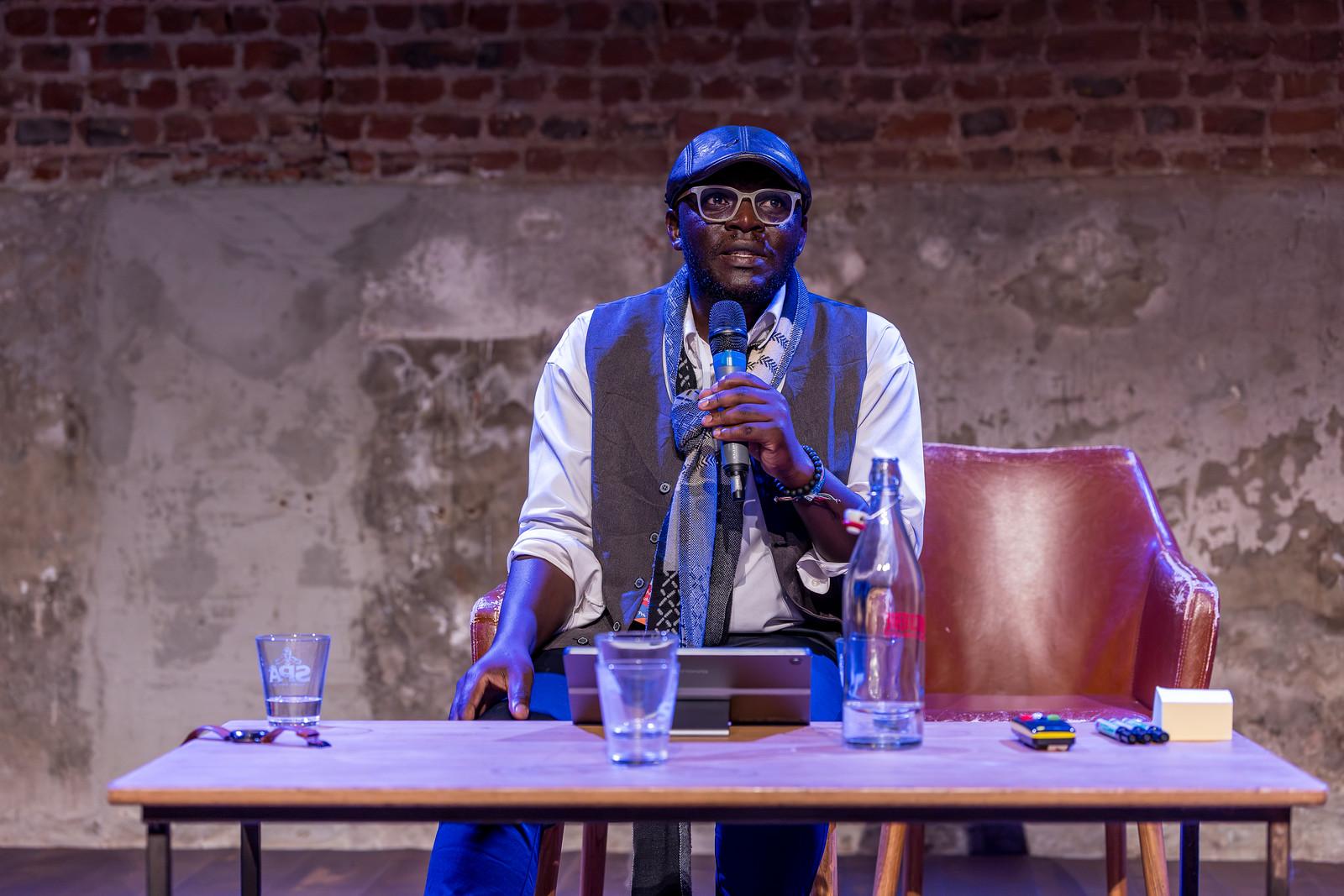
In Mahajanga, Madagascar, the ALIMENTERRE Festival, led internationally by the French Committee for International Solidarity (CFSI), brings cinema-debate screenings to a network spanning a dozen countries. The films examine how industrial food systems affect smallholder farmers, biodiversity and local autonomy, inviting audiences to rethink what they eat and who grows it. Learn more →
When Memory and Place Are Under Threat
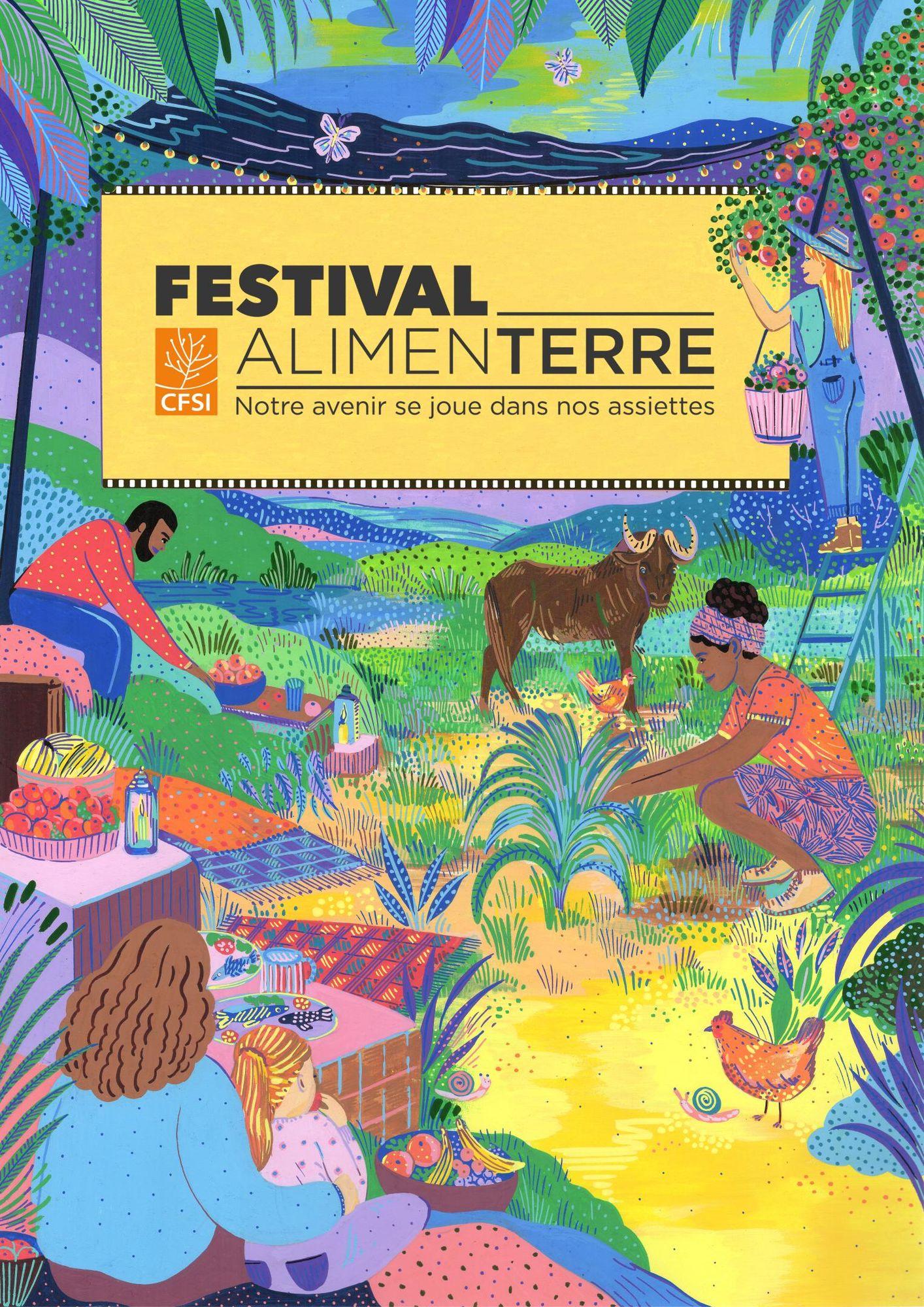
Iranian artist and architect Ehsan Soltanzadeh transforms the mud-brick arches of Yazd into glitching point-cloud landscapes in A Memory of Yazdi Kid. A lone child stands against decaying architecture as the film asks what happens to our earliest memories when the spaces that hold them begin to dissolve. Learn more →
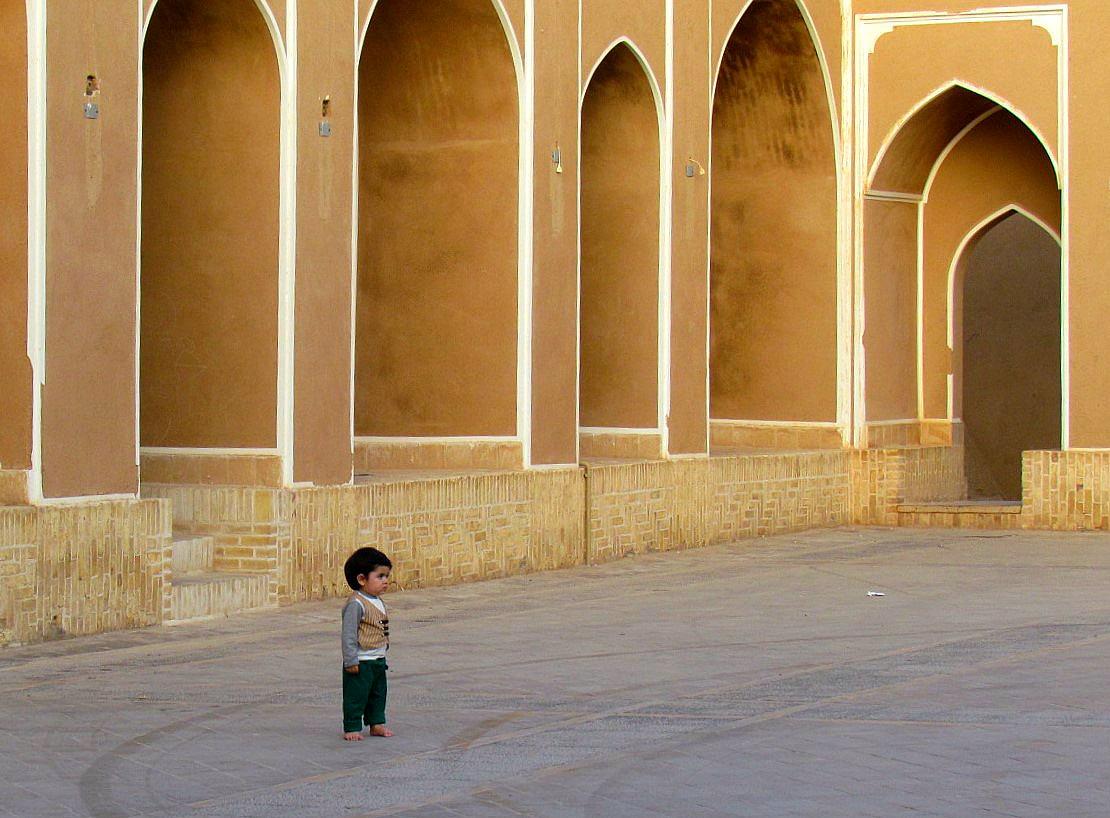
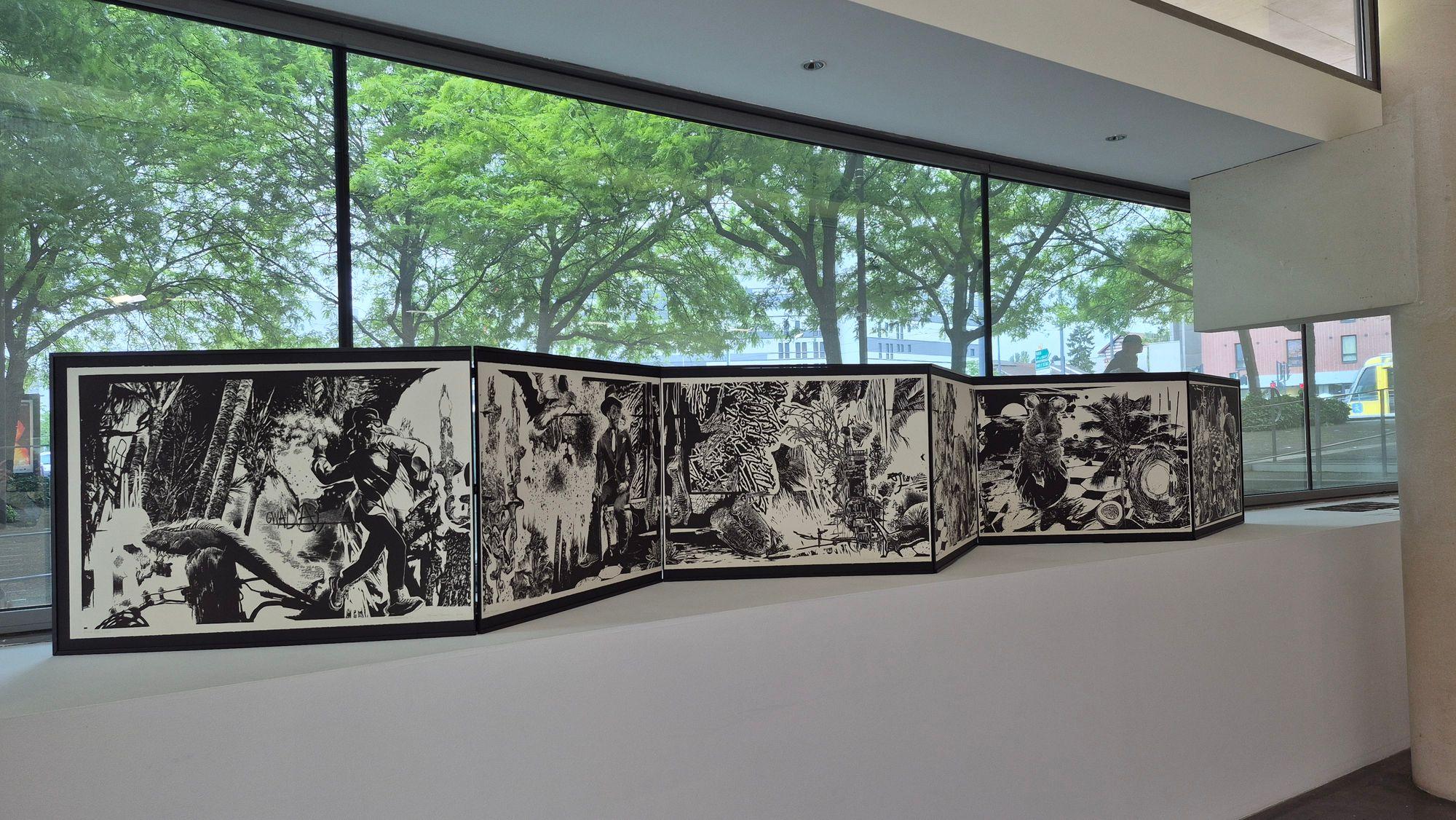
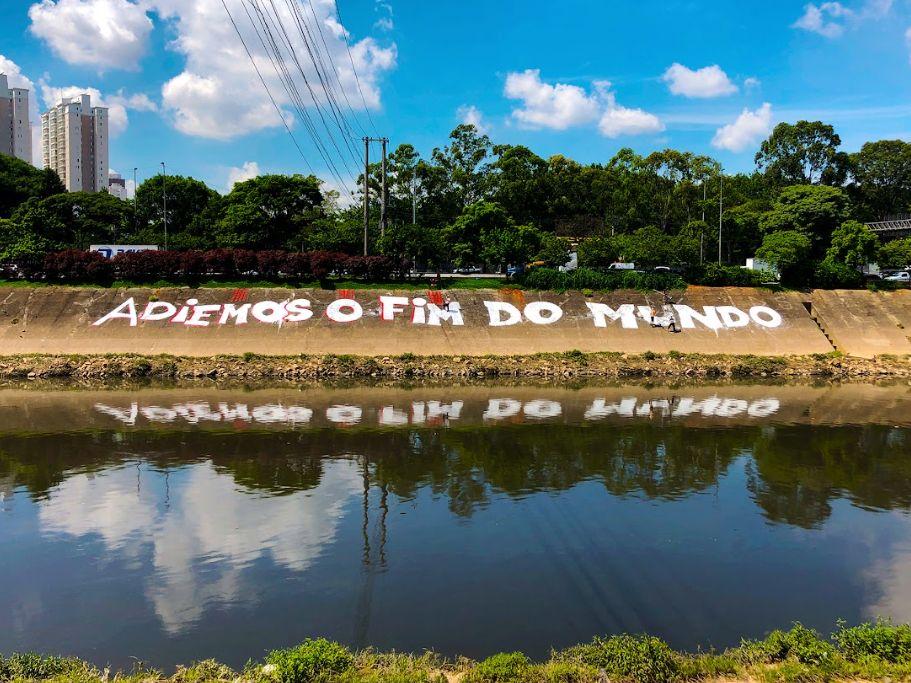
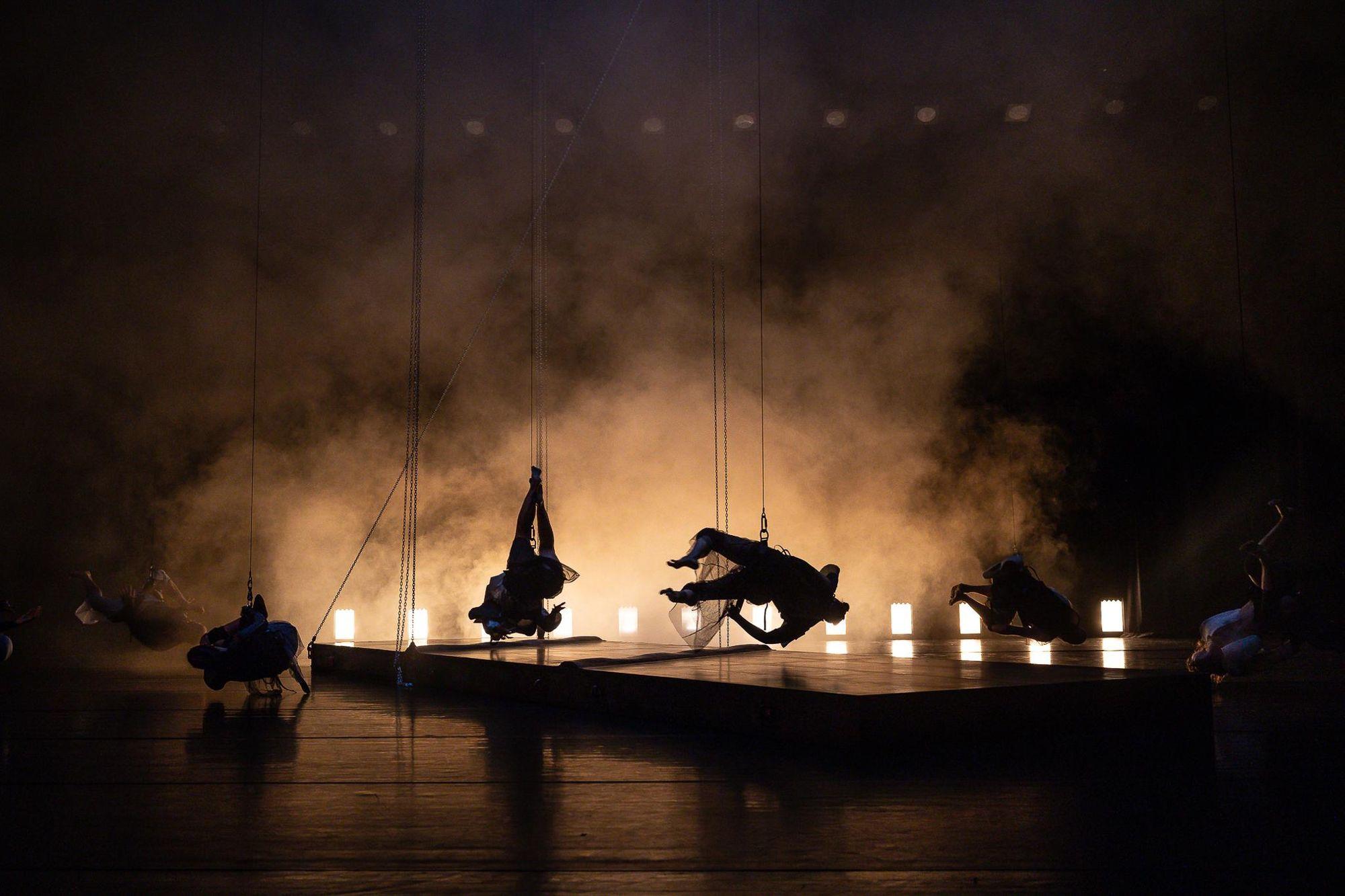
From Babylon, Iraqi theatre student and visual artist Mustafa Basim Kadhim answers with an eco-performance and visual piece that reads the land as a heritage to protect and calls on a new generation to defend it. Learn more →
In Addis Ababa, designer and art director Tetemke Haileslasie weaves contemporary graphic design into Ethiopian cultural heritage.
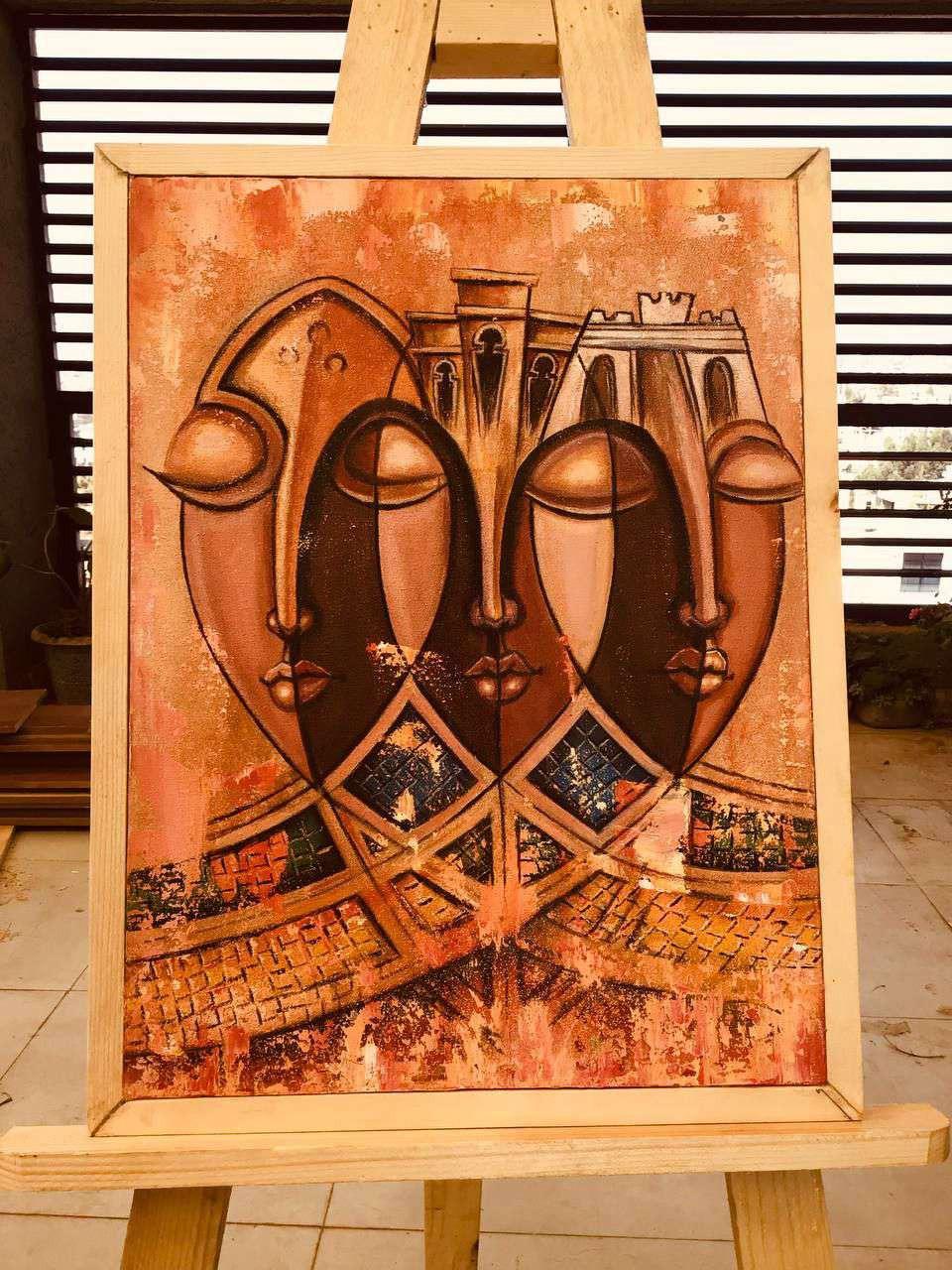
From a grandmother’s table to a mine, a farm field and a fading arch, the same questions return. Who cares for life, who carries the cost of living, and what do the minerals behind our machines take from the miners and from the Earth? These artists answer with their own hands. Join them. Put yourself on the map, share your art or list your November event, and find free practical guides on the Global Artivism website.
Cinema as an Act of Solidarity
Palestinian stories continue to travel across borders. From Nairobi, Kenya, and Dar es Salaam, Tanzania, to Al-Kiswah, Damascus, Hama, Homs, Jaramana and Sahnaya in Syria, Palestine Cinema Days Around the World brought screenings to communities between 1 and 4 November. Organised by Filmlab Palestine, the festival keeps Palestinian cinema visible, carrying stories of memory, identity and resistance across borders and against erasure.
You can join in too
Global Artivism Month continues until 10 December. You can join the movement by putting yourself on the map, sharing your art or listing a November event.